Six-State Kishau Dam Agreement Sparks Credit War in Himachal Pradesh

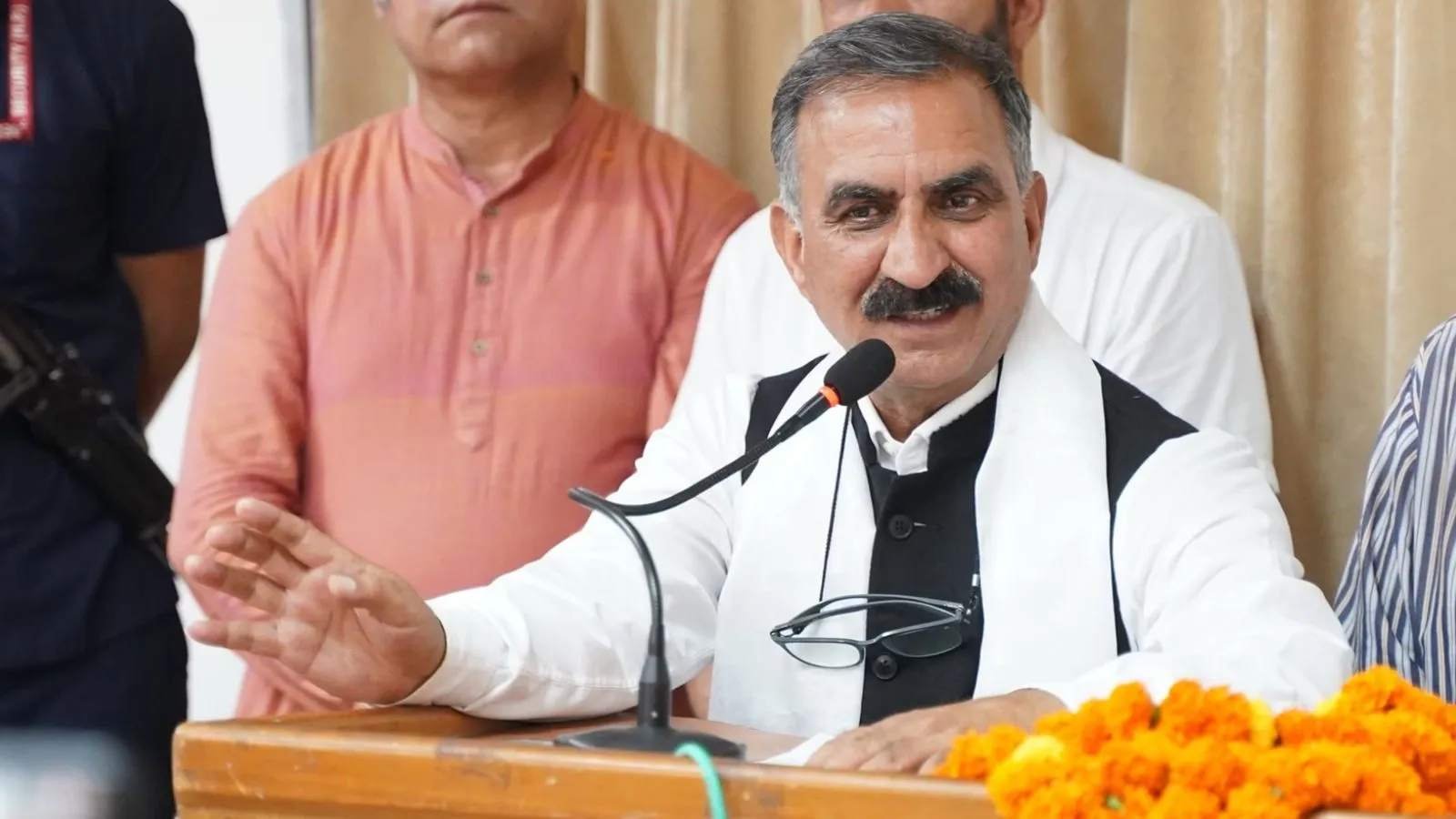
A political dispute has emerged in Himachal Pradesh following the signing of an agreement for the proposed 422-MW Kishau multipurpose dam project. Chief Minister Sukhvinder Singh Sukhu has termed the pact a "milestone" for the state, emphasizing that his administration successfully protected Himachal Pradesh's financial interests by ensuring it bears no financial liability for the Rs 15,624-crore project.
The agreement, signed on September 15, involves six states: Himachal Pradesh, Uttarakhand, Haryana, Rajasthan, Uttar Pradesh, and Delhi. The deal resolves long-standing differences over the financing and execution of the multipurpose project, which is planned on the Tons river along the border of Himachal Pradesh and Uttarakhand.
Political Significance and Credit Dispute
The agreement has quickly assumed political importance in Himachal Pradesh, where the Congress-led government is the sole non-BJP administration among the six signatory states. The other five participating state governments are currently run by the BJP. Chief Minister Sukhu has presented the agreement as a major negotiation success, demonstrating his government's ability to protect state resources while dealing with the central government and BJP-led states.
The ruling Congress party has launched a publicity campaign featuring government hoardings with large photographs of Sukhu, framing the agreement as a key achievement of his tenure. Sukhu has linked the deal to his broader policy position that Himachal Pradesh must secure greater financial returns from projects utilizing its land and water resources.
According to Sukhu, the previous BJP-led state government under Jairam Thakur, which ruled from 2017 to 2022, failed to safeguard the state's interests by agreeing to a financial commitment of Rs 800 crore. Sukhu stated that upon taking office, the Congress government decided not to spend any state funds on the project, arguing that since the land, water, and displaced populations belong to Himachal Pradesh, the state should not bear any construction costs.
BJP Rejects Congress Claims
The opposition BJP has strongly rejected the Congress government's claims of credit for the agreement. Former Chief Minister Jairam Thakur attributed the progress of the Kishau dam project to the leadership and foresight of Prime Minister Narendra Modi and Union Home Minister Amit Shah, stating their efforts facilitated the breakthrough.
BJP MLA and party spokesperson Randhir Sharma argued that Sukhu was overlooking key historical facts. Sharma pointed out that during the previous BJP state administration, two key beneficiary states—Rajasthan and Delhi—were governed by the Congress and the Aam Aadmi Party (AAP) respectively, both of which had declined to share the project costs at the time. Sharma asserted that Sukhu did not actively fight for the state's rights.
Financial Terms of the Agreement
State officials have highlighted key differences between the previous proposals and the finalized agreement. While no formal Memorandum of Understanding (MoU) was signed during the BJP's tenure from 2017 to 2022, the Thakur cabinet had approved a proposal where the project costs would be shared equally on a 50:50 basis between Himachal Pradesh and Uttarakhand. Under the newly signed agreement, Himachal Pradesh is entirely exempt from sharing these costs.
Under the funding framework established by the central government, the Centre will cover 90 percent of the project cost, while the remaining 10 percent will be distributed among the beneficiary states. Additionally, Himachal Pradesh's allocated share of water will be directed to Delhi and Rajasthan. In return, Delhi and Rajasthan will cover the costs of the power component associated with Himachal's share of the water.
Officials noted that avoiding financial liability is highly significant for Himachal Pradesh, as the current Rs 15,624-crore estimate is expected to rise over the course of the long-term national project. The agreement provides financial relief to the state while securing its power benefits, offering a political boost to the Congress administration ahead of the state Assembly elections scheduled for November 2027.