How a New Hampshire Entrepreneur Built a $2 Million Protein Brand After Age 60

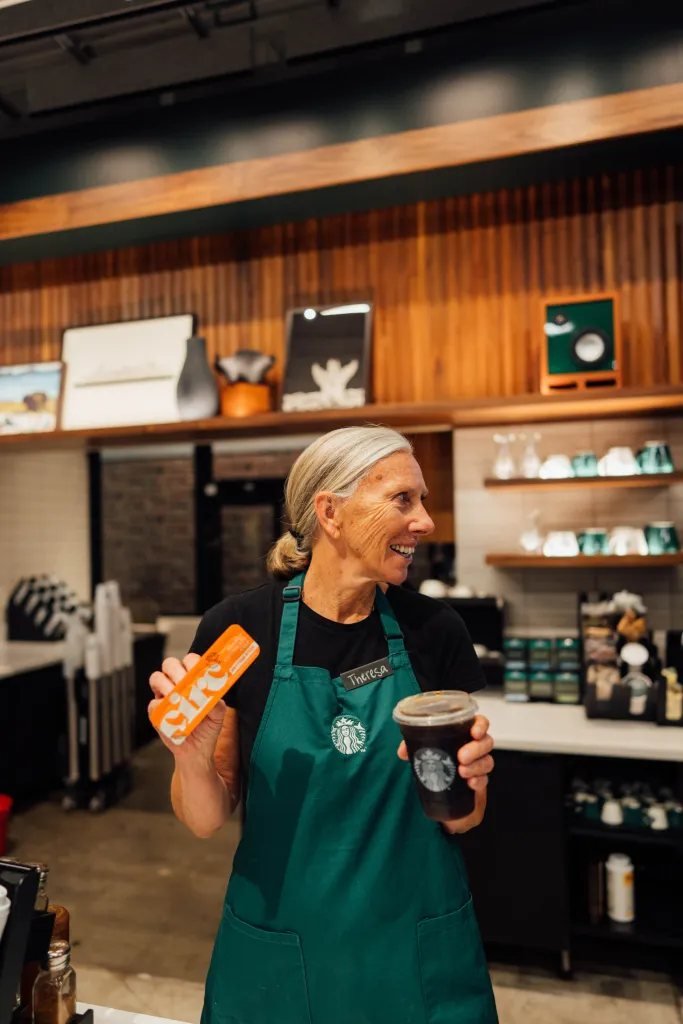
Theresa Burnley, a 65-year-old entrepreneur from Milford, New Hampshire, has turned her lifelong passion for health and nutrition into a rapidly growing business. Burnley is the founder of Circ, a protein-bite brand launched as a side hustle in 2023 that has quickly scaled its operations and secured placement in major national retail chains.
In its first full year of business, Circ generated approximately $2 million in top-line revenue. The brand is currently on track to quadruple its run rate this year. Today, Circ offers six flavors of protein bites and is distributed in more than 13,000 retail locations across the United States, including major outlets such as Starbucks and Walmart.
From Side Hustle to Full-Time Venture
Before launching Circ, Burnley spent 16 years working behind the scenes in the food industry. She was the owner of Wiley Road Foods, a company that creates and manufactures clean-label baked goods for prominent brands, including Trader Joe’s and Milk Bar. As a lifelong runner and mother to three college athletes, Burnley wanted to establish her own independent natural food brand.
Burnley’s inspiration for Circ came from what she saw as an outdated protein bar market. She observed that traditional bar formats no longer aligned with modern eating habits, such as grazing, portion control, on-the-go snacking, and the dietary needs of individuals using GLP-1 medications. At the end of 2024, Burnley sold her bakery business to focus on growing Circ full-time.
To get the business off the ground, Burnley and her team invested more than $1 million in process and product development. Rather than relying on a third-party co-packer, the company chose to handle its own manufacturing. The product development team, consisting of pastry chefs rather than food scientists, utilized their experience from Milk Bar to design the bite-sized products. Additionally, the company spent two years developing custom packaging, adapting equipment to create five-pack containers with resealable lids.
Overcoming Manufacturing and Brand Challenges
Operating as an independent manufacturer brought unique operational challenges. Burnley noted that the company initially faced higher fixed costs compared to brands that outsource production to co-packers. However, she anticipates that self-manufacturing will provide a significant cost advantage as the business continues to scale.
Reflecting on the journey, Burnley stated that the company initially approached the business as a manufacturer that owned a brand, rather than a brand that owned its manufacturing. She noted that if she were to start over, she would focus on brand-building at an earlier stage. To manage the physical demands of manufacturing—such as machinery maintenance and shipping delays—the company maintains extra capacity, spare parts, and buffer inventory.
Burnley advises other aspiring entrepreneurs to prepare for the complexities and high rejection rates of the consumer packaged goods industry. She emphasized that founders must fully own their business decisions, as no outside mentor or community member will understand the business as deeply as the founder.