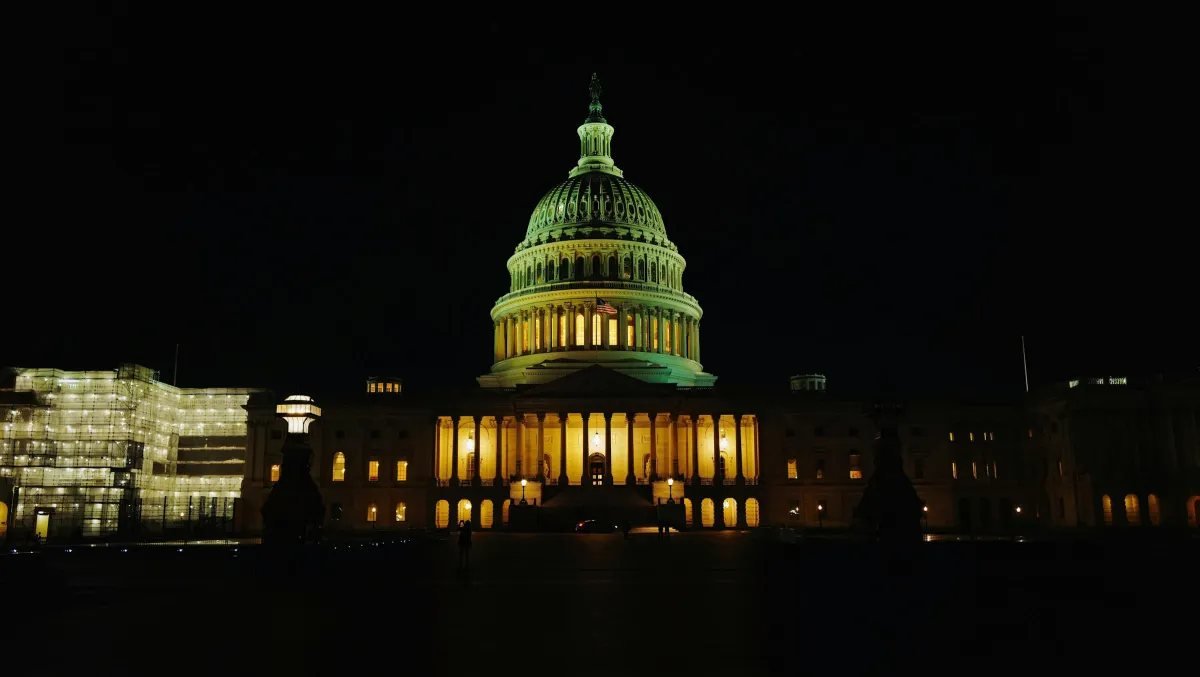
US Midterm Results Offer Hope for Canada-US Tariff Negotiations

Democratic gains in the United States midterm elections have sparked discussion across Canada regarding the future of bilateral trade negotiations and tariff relief. The election outcome follows widespread frustration among American voters over economic affordability, with trade policies taking center stage in several key state races.
Ontario Premier Doug Ford welcomed the election results on Wednesday morning, describing the outcome as "a victory for Canada." However, official trade representatives emphasized that the political shift will not immediately alter the ongoing negotiations between Ottawa and Washington.
Impact on State Races and Trade Debates
Voter concerns regarding living costs contributed heavily to the midterm dynamics. A Cato Institute survey conducted in September indicated that approximately 75 percent of respondents believed tariffs had driven up consumer prices. Tariffs directly influenced several competitive congressional and Senate contests, particularly in states with close economic ties to Canada.
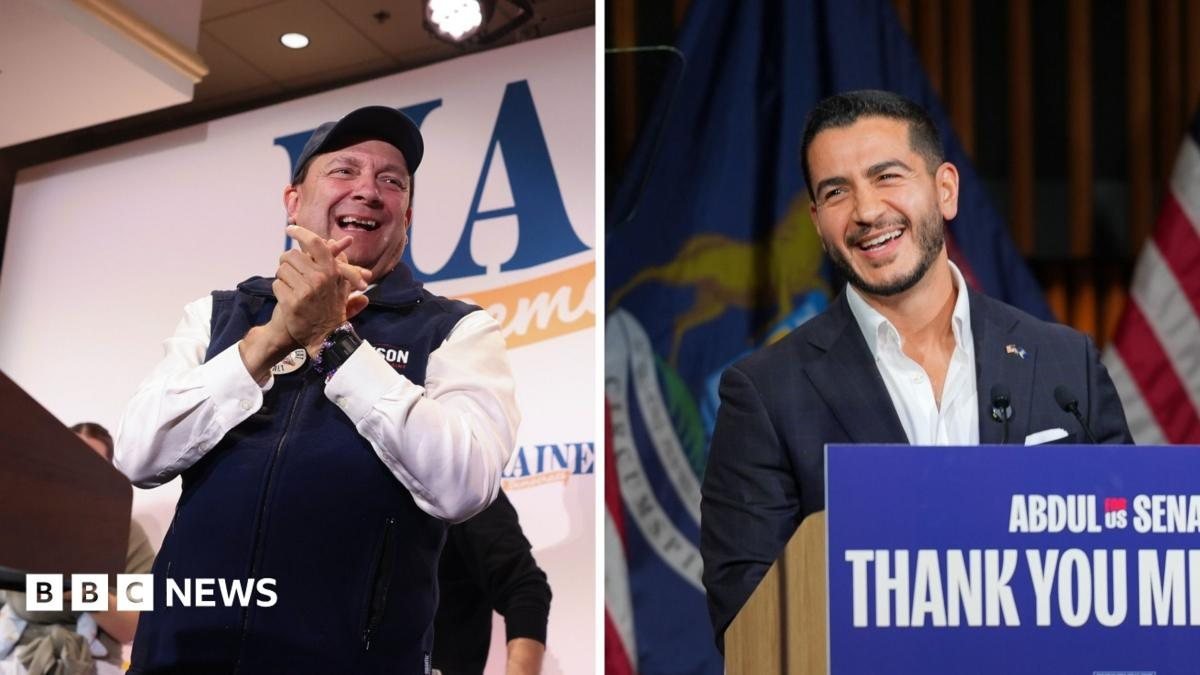
In Maine, incumbent Republican Senator Susan Collins lost her seat to Democrat Troy Jackson after clashing with the White House over tariffs. Although Collins successfully lobbied for exemptions on specific state imports, including road salt, refrigeration equipment, and seaweed, Jackson secured the victory. In Michigan, where the automotive manufacturing sector is deeply integrated with Canadian industry, Democratic candidate Abdul El-Sayed defeated Republican Mike Rogers. In Ohio, Senator-elect Sherrod Brown defeated Republican Jon Husted after calling the duties a "disaster" and pledging to reduce costs by eliminating them.
Newly empowered Democratic leaders, including Hakeem Jeffries and Chuck Schumer, have repeatedly advocated for scaling back tariffs on Canada in recent months. Despite these political changes, analysts note that Democratic control of Congress may have a limited direct impact on trade duties, as the tariffs were primarily established through executive orders without congressional approval. Speaking to Fox News on Tuesday night, US President Donald Trump highlighted his veto authority to block legislation passed by Congress that he opposes. Additionally, some Democratic lawmakers have historically supported targeted tariffs to protect domestic manufacturing jobs.
Status of Bilateral Trade Duties and Negotiations
The current trade dispute involves multiple layers of tariffs affecting Canadian key sectors, including automobiles, steel, aluminum, and forestry. Following the breakdown of bilateral trade discussions in August, the Trump administration placed an additional 50 percent tariff on $20 billion worth of Canadian goods, encompassing items such as dairy, cosmetics, and furniture. The US further implemented total import prohibitions on motorcycles, whey protein, and alcohol.
In response, Canada enacted reciprocal 50 percent retaliatory tariffs on US products, while most Canadian provinces banned the sale of American alcohol. Trump had previously warned of further tariff increases on sectors including auto manufacturing effective January 1.
Signs of movement emerged ahead of the midterm vote. Trump remarked to reporters shortly before the election that a trade deal was "very close" following discussions with Canadian Prime Minister Mark Carney. On Tuesday evening, Carney stated that US negotiators were "asking less and they're offering more" during recent trade exchanges.
Reactions and Future Timeline for a Trade Deal
Canadian officials and political leaders expressed differing views on how Ottawa should navigate the post-election landscape.
- Dominic LeBlanc: The US-Canada Trade Minister stated on Wednesday that the midterm results would not alter trade strategy in the short term, dismissing speculation about the incoming Congress as "an interesting discussion at a faculty club luncheon." He affirmed that Canada's approach remains consistent.
- Pierre Poilievre: The Conservative Party leader noted that while "nobody controls Donald Trump," the widespread unpopularity of the duties provides Canada with significant leverage to pursue tariff-free trade.
- Colin Robertson: The former Canadian diplomat and fellow at the Canadian Global Affairs Institute suggested that electoral losses might press the administration toward an agreement. Robertson identified the window between the midterms and January—when new lawmakers take office—as ideal for concluding a deal, noting that subsequent congressional investigations could pull focus away from trade.
US Trade Representative Jamieson Greer previously stated an intention to finalize interim agreements with Canada and Mexico regarding the regional free trade framework—known as CUSMA in Canada and USMCA in the US—before the end of the year. While Prime Minister Carney expressed optimism regarding recent developments, he noted last month that Canada remains prepared to wait for a future US administration if necessary to secure an acceptable agreement.