
Data Center Buildout Faces Growing Political Resistance Following U.S. Midterm Results

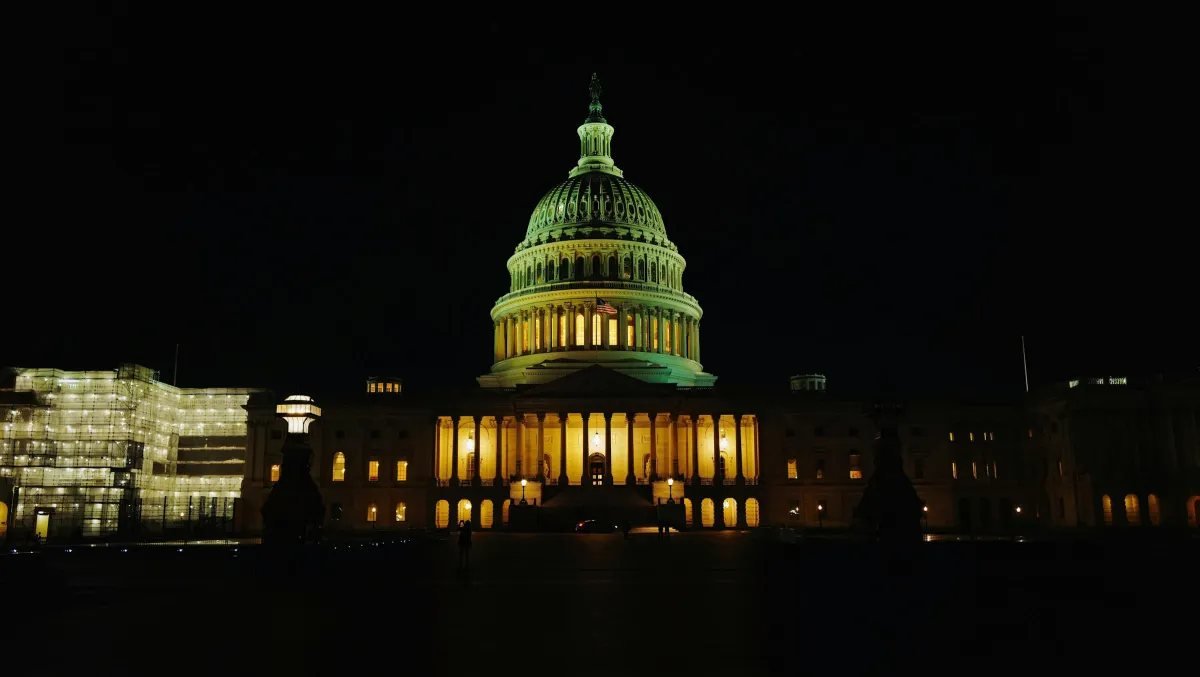
Results from the Nov. 3 midterm elections indicate growing public opposition to the rapid expansion of data centers, the large facilities housing computer systems that power artificial intelligence. Following the elections, Democrats secured full control of Congress, setting up a divided federal government alongside a Republican White House. Analysts and industry observers suggest the political shift could lead to new limits on data center locations, environmental standards, and local community approval processes.
Data center developments emerged as prominent campaign issues across multiple states. According to an NBC exit poll, public concern regarding artificial intelligence technology and its physical infrastructure was widespread. More than half of respondents reported believing that AI will cause more harm than good. Furthermore, nearly 80 percent expressed opposition to the construction of data centers in their immediate neighborhoods, while almost 60 percent indicated that data centers represented a crucial or major factor influencing their vote.
State-Level Opposition and Election Outcomes
Voter resistance to data center expansion affected political outcomes across several states despite significant financial spending by pro-AI super PACs. In Ohio, where OpenAI has considered a $500 billion data center backed by over $100 billion in financing from Nvidia, local measures reflected substantial opposition. An Ohio county where Meta had previously planned a 700,000-square-foot facility enacted a ban on data centers, while local communities across the state voted against buildout proposals.
Financial analysts at Morgan Stanley indicated that Democratic Gov.-elect Amy Acton presents a potential risk to data center expansions in Ohio. Similar campaign dynamics were observed in Texas, Maine, Michigan, Nevada, Georgia, and South Carolina, where political candidates secured election victories after campaigning against the rapid construction of facilities. Aniketh Koneru, a tech and policy researcher, noted that recent election results demonstrate that campaign funding does not automatically dictate outcomes, adding that framing the issue around local impact creates strong political momentum.
In Texas, Gov.-elect Gina Hinojosa made opposition to data centers a core element of her campaign, advocating for a statewide moratorium on new construction. Both Hinojosa and Gov. Greg Abbott called for restrictions, highlighting ongoing debates over Texas's electrical grid, which has experienced stability issues over the past decade.
Potential Legislative and Regulatory Impact
Financial analysts predict operational impacts stemming from the political shifts. Goldman Sachs forecasted construction delays for data centers in states such as Georgia and Texas due to Democratic electoral gains. Expected policy changes include increased construction moratoriums and regulations requiring data center developers to cover their own electrical grid upgrade costs rather than transferring expenses to utility ratepayers.
The updated balance of power in Washington may also affect federal legislative efforts. Measures introduced earlier this year by Sen. Bernie Sanders and Rep. Alexandria Ocasio-Cortez propose a nationwide moratorium on new data center construction until Congress establishes regulatory guardrails. The proposed legislation aims to protect local communities from rising electricity costs, prevent environmental degradation, and mandate community approval prior to construction. However, any federal legislation passed by Congress would still face a potential presidential veto.
Other proposed legislation includes the GRID Savings Act, introduced by New Mexico Sen. Martin Heinrich. The bill aims to prevent energy infrastructure expenses associated with large AI data centers from being shifted onto local utility customers. Additionally, Maia Woluchem, program director at the nonprofit research group Data & Society, noted that congressional Democrats may investigate the Trump administration's rollback of specific energy protections, potentially leading to adjustments in energy regulations, environmental policies, and land rights.
Environmental Concerns and Local Governance Issues
Environmental and regulatory concerns remain central to the opposition surrounding facilities in several regions. In South Memphis, Tennessee, an xAI data center operating gas turbines for power has drawn criticism regarding local air quality. Environmental questions have also been raised across Virginia—a major hub for global data infrastructure—where multiple facilities similarly rely on gas turbines to generate power.
Nadine Smith, president and CEO of the racial justice organization Color of Change, characterized the midterm elections as a referendum on economic priorities. Acknowledging arguments from supporters that data centers are critical for national security and geopolitical competition with China, Smith emphasized that local communities face direct environmental impacts from facility power sources.
Public dissatisfaction has also been fueled by local planning procedures and transparency issues. In Gilroy, California, Amazon constructed a data center using a 45-year-old zoning law without widespread prior notice to local residents. The widespread use of outdated zoning frameworks, tax incentives worth billions of dollars, and non-disclosure agreements (NDAs) signed by local officials have increased public frustration, overwhelming company assertions regarding local job creation and community investment.
Industry observers note that data centers often serve as a focus for broader anxieties regarding technology companies. Woluchem observed that the election results point to bipartisan frustration with tech industry influence, while private equity sources suggest that public opposition to physical infrastructure frequently reflects deeper concerns regarding artificial intelligence itself.