
Spanish Pensioner Whose Eviction Sparked Nationwide Protests Dies at 87

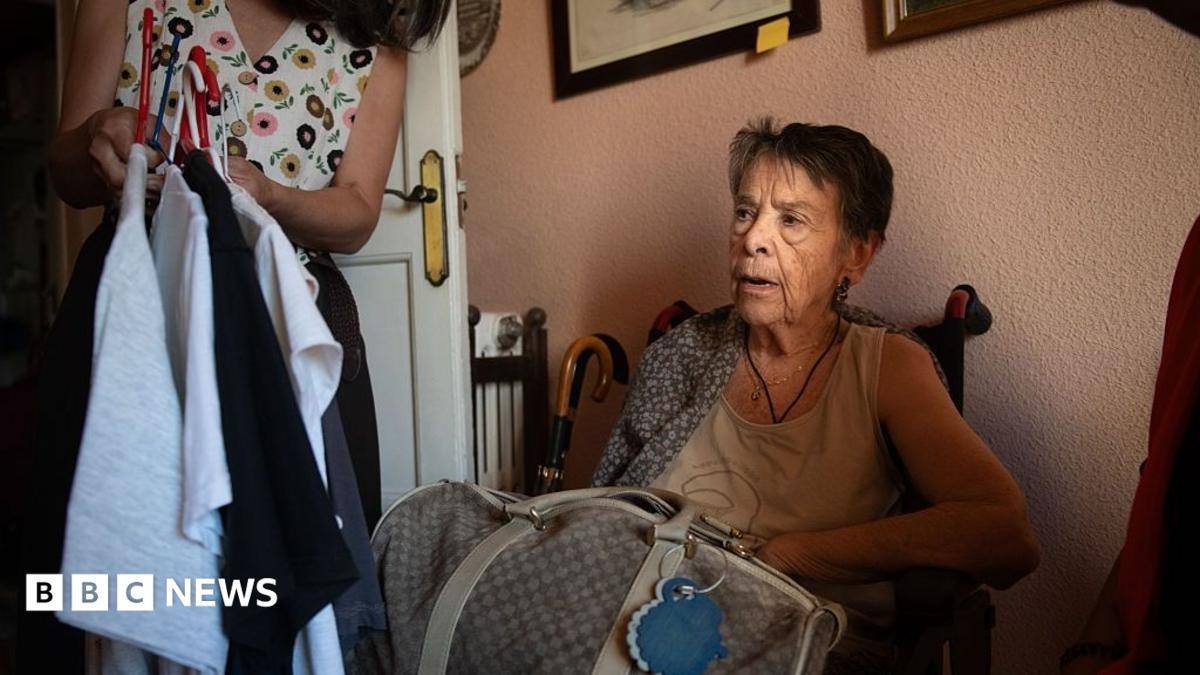
An elderly Spanish woman whose eviction sparked nationwide protests over Spain's housing crisis and triggered a political row leading to early elections has died, according to the Madrid Tenants' Union.
Maricarmen Abascal, 87, was forcibly removed on a stretcher from her apartment of more than 70 years on 23 September after she was unable to afford steep rent increases. Following her eviction, the company that owned the flat offered to allow her to return at a lower rate, but she was unable to sign the agreement as she had been admitted to hospital.
"We regret to announce that Maricarmen passed away today," the Madrid Tenants' Union said in a statement, adding that her situation marked "a turning point in the history of this country." Union spokesperson Alicia del Río stated, "Speculation costs lives, and today rentierism has finished killing our colleague Maricarmen," while adding that "her memory lives on with us."
The Rent Dispute and Eviction
Abascal became a symbol for Spain's housing crisis following her eviction from the home her father first rented in 1956. She had continued as the tenant after her parents died, during which time there was a cap on the rent. However, Urbagestión, the company that purchased the property in 2018, increased the rent from €500 per month ($572) to €2,650 ($3,020).
The company later offered to reduce the rent to €1,650, which was still €300 more than Abascal's monthly pension. While courts blocked three previous attempts to evict her, the case garnered increasing media attention. The Madrid Tenants' Union noted that while a historic agreement was eventually reached to allow her return, "this solution has come too late. An absolutely avoidable situation after a torturing process."
In a video recorded from her hospital bed after the eviction, Abascal said: "I haven't managed to defend my home, but I have fought so that others can learn to fight for what's theirs." The union pledged to honour her wishes, stating, "Above all, we will fulfil what she always asked of us: 'fight, keep fighting for what is yours.'"
Political Fallout and Early Elections
Anger over Abascal's situation put pressure on Spain's coalition government to approve emergency housing legislation, which was ultimately rejected in Congress last week. The rejection prompted tens of thousands of people to take to the streets in cities across Spain over the weekend.
On Monday, Spanish Prime Minister Pedro Sánchez, who leads a leftist coalition without a parliamentary majority, called an early election for 29 November following the failure to pass the emergency housing legislation. Sánchez said he needed "a broader progressive majority" that can "overcome the resistance of the elites" to push through reforms.
The political right argued that the government's attempts to intervene in the housing market would reduce the number of rental homes and further raise prices. Sánchez's government has also faced pressure from other issues, including corruption scandals linked to his party, cost-of-living pressures, and immigration. Most opinion polls suggest the conservatives are likely to emerge as the largest party in the upcoming election, though they would likely require the support of the hard-right Vox party to form a government.
Protests and Tributes
Following the announcement of Abascal's death, Prime Minister Sánchez expressed his condolences, saying, "All my love goes to Maricarmen's family and loved ones. A hug as well to everyone who today feels this loss as their own."
Protesters gathered at Puerta del Sol, one of Madrid's main squares, which has served as a housing protest encampment for the last two weeks. Demonstrators lit candles and held posters of Abascal on Wednesday evening. Earlier on Wednesday, unions called for a general strike on 11 November to demand housing reforms.