
Nandan Nilekani-Led Task Force Holds 58 Meetings on Exam Reforms, Report Due by Month-End

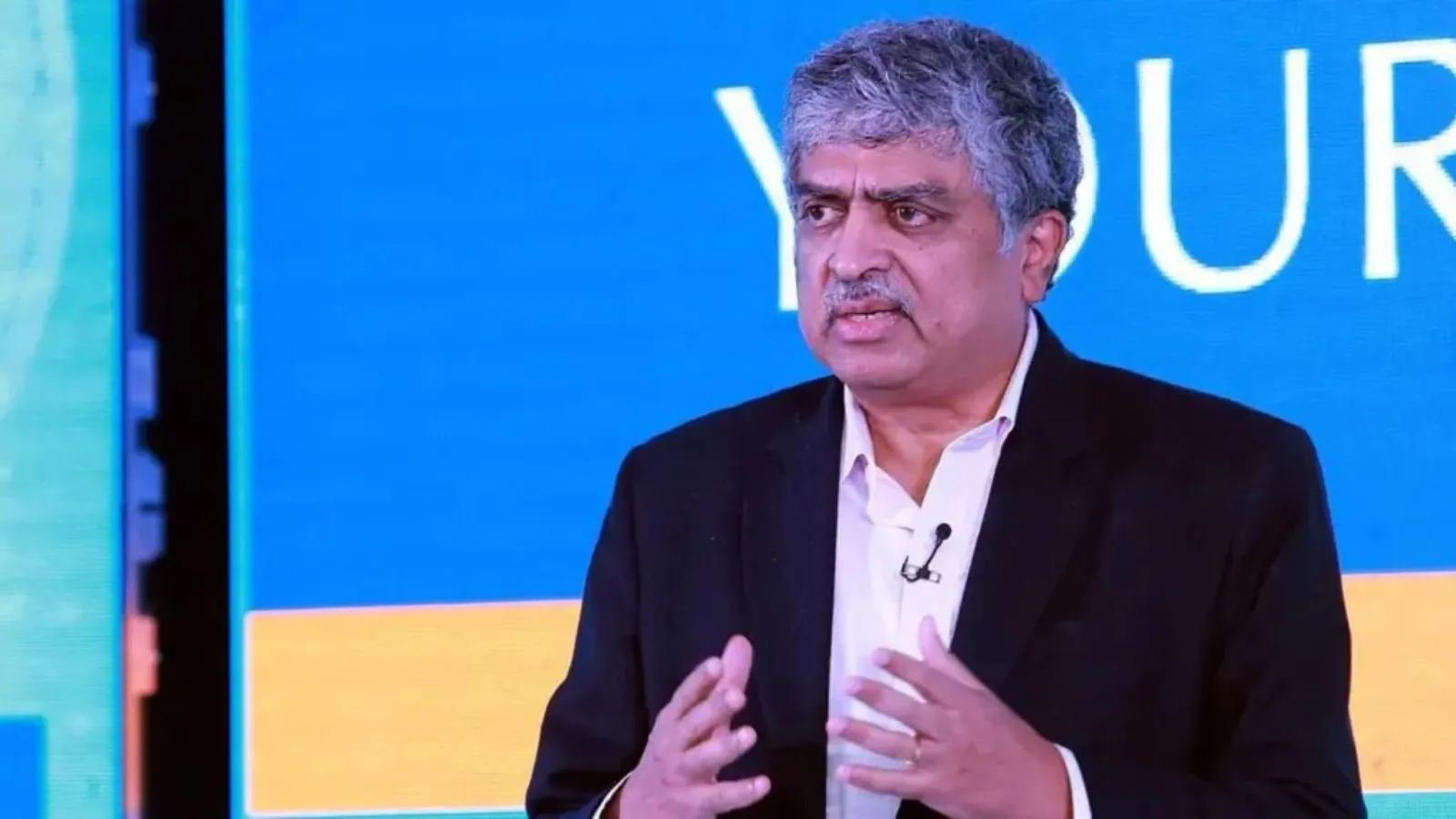
The High Powered Task Force (HPTF) on examination reforms, led by Nandan Nilekani, has conducted approximately 18 panel-level meetings and 40 consultative meetings since its establishment on July 26. The panel is on track to submit its final report and recommendations to the government by the end of this month, according to officials and a progress affidavit submitted to the Supreme Court.
The six-member committee was announced by Prime Minister Narendra Modi a day after the resignation of Education Minister Dharmendra Pradhan, which followed student protests at Jantar Mantar on July 25. In a recent affidavit, Joint Secretary of the Department of Personnel and Training (DoPT), Polamuri Bala Kiran, confirmed the committee is proceeding within its prescribed timeframe.
Extensive Consultations and Public Feedback
The task force has received more than 50,000 suggestions through various channels, including its public feedback platform, "Listen at Scale." The panel has held consultations with multiple union ministries, including the Department of Higher Education, the Department of School Education & Literacy, and the Ministry of Health and Family Welfare.
Additionally, the committee consulted with State and Union Territory Chief Secretaries and Directors General of Police (DGPs) in coordination with the Ministry of Home Affairs. Educational and medical boards, including the National Medical Commission (NMC), National Board of Examinations in Medical Sciences (NBEMS), University Grants Commission (UGC), Central Board of Secondary Education (CBSE), and National Council of Educational Research and Training (NCERT), were also part of the consultative process.
Proposals for Structural Reforms and Debundling
The task force is reviewing proposals from various stakeholders, including students, parents, student bodies, doctors' associations, and recruitment bodies such as the National Recruitment Agency (NRA), Staff Selection Commission (SSC), Railway Recruitment Board (RRB), and Institute of Banking Personnel Selection (IBPS).
Among the key proposals is the "debundling" of examinations. Currently, national exams are primarily conducted by a single service provider. Stakeholders have suggested that dividing procedures—such as question paper setting, security, and test centre management—among different agencies would enhance transparency.
Furthermore, as the government plans to transition the NEET medical entrance exam from pen-and-paper mode to a Computer-Based Test (CBT) starting next year, there is an emphasis on strengthening infrastructure. This includes establishing dedicated government-secured centres with robust IT infrastructure from city to rural levels. The National Testing Agency (NTA) has also requested the AICTE to identify spaces within government technical institutions to set up standard testing centres.
United Doctors Front Recommendations
The government's affidavit to the Supreme Court noted that suggestions from the United Doctors Front (UDF) were duly considered during deliberations. The UDF has proposed significant structural changes to the NTA, including:
- Reconstituting the NTA by an Act of Parliament as a Statutory National Examination Authority with independent divisions for cybersecurity, psychometrics, digital forensics, and vigilance.
- Establishing a permanent statutory cadre where 75% of the NTA's technical and security posts are filled within three years, capping outsourced personnel at 25%.
- Creating a National Registry of Certified Centres, requiring annual inspections and physical audits 15 days before examinations.
- Dividing question setting among multiple panels, maintaining a question bank eight to ten times the size needed for a cycle, and using invisible traceable markers on finalised questions.
- Deploying artificial intelligence for detecting paper leaks and implementing digital locking of question papers.
The Education Ministry previously indicated that the NTA is transitioning from exam-specific units to a functional vertical structure to build specialised, domain-specific capabilities across its core operational areas.