
DDA Begins Rehabilitation Process for 45 Delhi Slum Clusters Housing Over 1 Lakh People

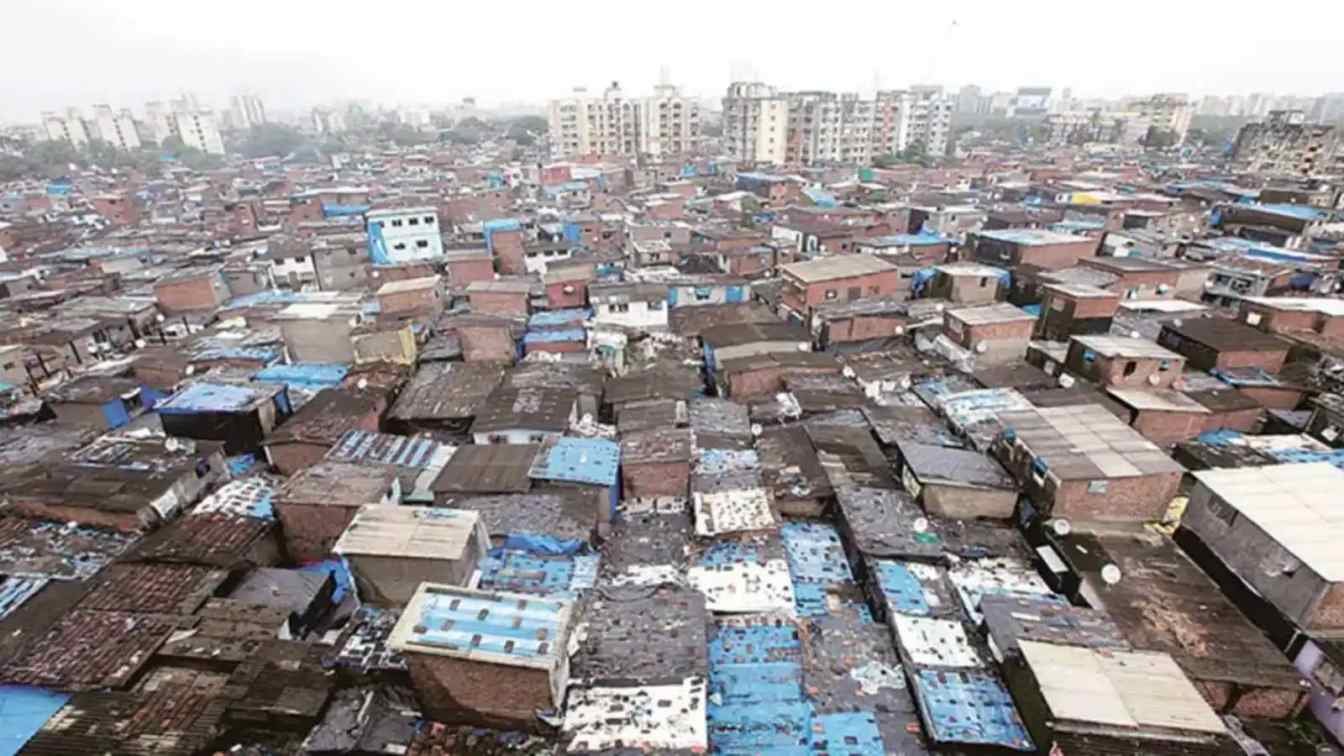
The Delhi Development Authority (DDA) has initiated the process of rehabilitating more than one lakh slum dwellers. The initiative marks one of the first major movements under the Master Plan for Delhi (MPD)-2047.
To begin the process, the DDA floated Requests for Proposals (RFP) to appoint three Transaction Advisors. These advisors will be responsible for preparing feasibility reports for 15 projects that cover 45 slum clusters across the city. The targeted clusters comprise approximately 21,229 households spread over 135.74 acres of land. The largest number of households under consideration for rehabilitation are located in the slum clusters of Badli, Shahdara, Pitampura, and Tilak Nagar.
Feasibility Studies and Nodal Responsibilities
According to a DDA spokesperson, the appointed transaction advisors will assess rehabilitation requirements, development potential, infrastructure needs, financial viability, and suitable implementation models. This assessment is intended to ensure the systematic and sustainable execution of the projects.
The initiative follows a meeting chaired more than three months ago by Union Home Minister Amit Shah. During the meeting, which focused on slum rehabilitation in Delhi, the Home Minister directed the DDA and the Delhi Urban Shelter Improvement Board (DUSIB) to issue tenders for five slum clusters within 45 days. Additionally, he directed them to float tenders for at least five public-private partnership (PPP)-based rehabilitation projects every month.
According to government claims, there are approximately 675 slums in the national capital. Around half of these are situated on land owned by various Central agencies, including the Railways, the Land and Development Office (L&DO), and the DDA, with the DDA serving as the nodal agency for their rehabilitation. The remaining slums are located on land owned by the Delhi government, where the DUSIB, operating under the Urban Development Department, serves as the nodal agency.
Challenges in the Public-Private Partnership Model
Slum rehabilitation in Delhi has progressed slowly over the past decade. To date, only two in-situ projects—located in Ashok Vihar and Kalkaji—have been completed, both by the DDA. Together, these two projects have provided around 4,700 flats.
Under the PPP model planned for these projects, private developers construct housing to rehabilitate slum dwellers on a portion of the slum land, while the remaining land is commercially developed. This "free sale" component is designed to allow developers to recover the cost of building the slum dweller units and generate a profit, a model expected to succeed due to the high-value land where slums are typically located.
However, the DDA has previously faced difficulties in attracting private developers. Developers have pointed to challenges such as small land parcels, difficult locations near drains and railway tracks, and frequent litigation as deterrents to participation.
Policy Reforms and Transferable Development Rights
To address these challenges, Delhi's slum rehabilitation framework has undergone significant changes in recent months. Amendments to the city's slum policy now make slum dwellers eligible to receive a flat in place of their current home.
Furthermore, changes have been introduced in the MPD-2047 to encourage private developer participation. Developers are now permitted to construct taller buildings on slum land parcels and sell a higher proportion of that land for profit.
The MPD-2047 has also introduced Transferable Development Rights (TDR). In cases where a developer cannot fully utilize their development rights on a specific parcel due to size, location, or height restrictions, the TDR mechanism allows them to use these unused rights on another plot or sell them to another developer. This mechanism has been used extensively in Mumbai to accelerate slum rehabilitation and redevelopment.