Vurt Expands Vertical Microdramas to Smart TVs

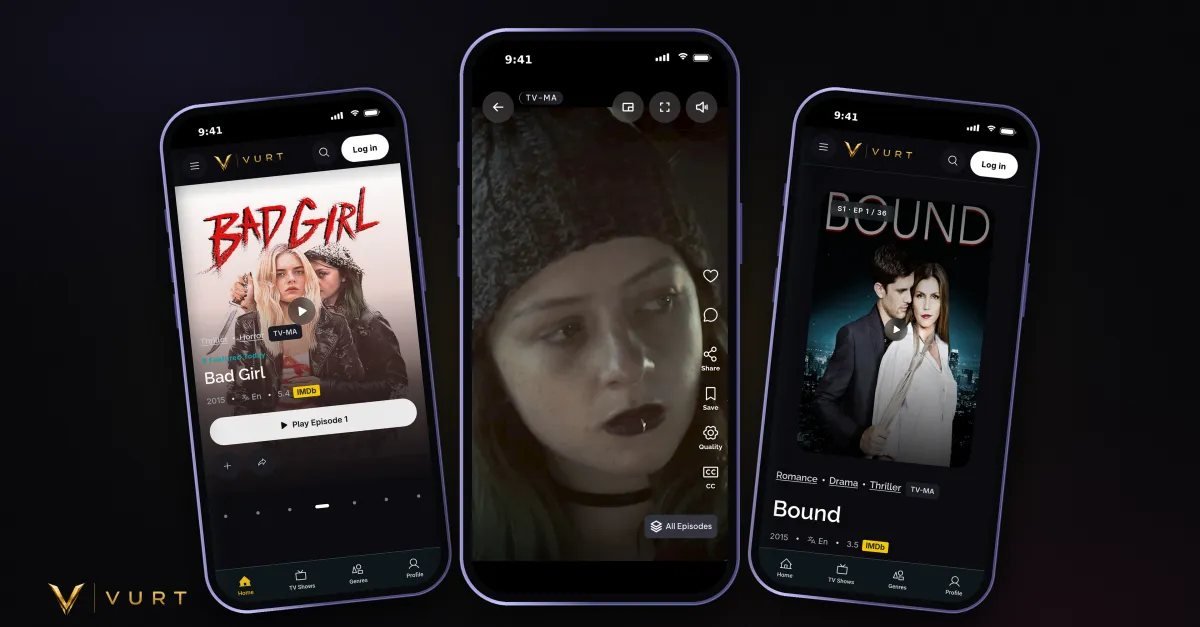
Major streaming platforms ranging from Disney Plus to HBO Max have been experimenting with vertical content to compete with social media platforms such as TikTok and Instagram. While much of the industry has focused on mobile viewing, streaming startup Vurt is shifting its focus toward television screens.
Vurt recently launched dedicated applications for Apple TV and Android TV, giving users access to a library of 3,500 episodes across more than 100 shows. Since its launch in March, the company reports that its user base has grown from 10,000 to 675,000 users.
Transition to Smart TV Applications
The decision to build dedicated smart TV applications followed direct feedback from users who initially wanted a way to cast vertical videos from their mobile phones to larger screens. Vurt cofounder and angel investor Hilmon Sorey explained that the team opted to develop native television apps rather than relying solely on casting features.
"At first, we first developed the ability for folks to cast to smart TVs," Sorey said. "But we decided that wasn’t the best experience because we could leverage all of the technology in those large-screen devices to bring features like HD / 4K video, and the ability to do really high-quality audio."
Vurt primarily features microdramas, a genre characterized by short, melodramatic episodes. Unlike competitors that rely heavily on AI-generated content, the majority of Vurt's series are produced using human casts and crews.
Monetization and Creator Partnerships
Vurt operates on a free-to-finish model funded through ad partnerships, allowing users to view complete series without purchasing microtransactions or platform-specific digital currencies. To build its content catalog, Vurt enters into licensing agreements with creators and production studios based on a 50/50 revenue split.
Independent creators can submit projects directly to the platform for review, with approved submissions becoming available to stream within a few days. Sorey contrasted Vurt's model with platforms that use gamified digital currencies for proprietary original content.
"If you are a platform that’s doing your own original content and you don’t have creators to pay, then ‘give us $20 and we’ll give you 500 coffee beans’ kind of gamification is intentional," Sorey stated. "It’s a ruse that they can use to boggle your mind because they control that entire content ecosystem."
Evolving Formats and Industry Trends
Vurt's expansion onto televisions comes as other platforms explore formats beyond mobile phones. For example, Instagram expanded its TV app in June to incorporate Reels, disappearing Stories, and horizontal videos. Vurt plans to remain focused on vertical content while developing new formats, including original series and livestreamed sporting events.
Before launching its television applications, Vurt consulted creators regarding viewing preferences. While creators acknowledged a preference for watching traditional films and shows on large screens or in theaters, they noted that vertical microdramas offer a distinct viewing experience regardless of device.
"You can have a different kind of immersive experience — even on a wide screen in vertical format — because verticals tell their stories in a very different way," Sorey said. "You’ve got to have your hook to begin and at the tail end of that, you’ve got to thrust them into the next episode by virtue of a cliffhanger."
Sorey noted that the structural elements of vertical microdramas—such as brief episode lengths and cliffhanger-driven plots—define them as a specific format distinct from traditional television and film. Vurt reports an increase in overall engagement time among users accessing content through its TV applications, allowing viewers to stream microdramas without relying on mobile phones.