US Senate Debates Highlight GOP Division Over Trump and Personal Clash
Candidates competing for the US Senate in the upcoming 3 November midterm elections have engaged in sharp debate exchanges and personal confrontations across key battleground states, as both major parties compete for control of Congress.
With voters primarily focused on high fuel prices and the rising cost of living, several political trends have emerged from the debates, including distance taken by some Republicans from former President Donald Trump, escalating personal rhetoric, and a noticeable absence of scheduled debates in major contests.
Republicans Navigate Alignment With Trump
A central dynamic in the midterm contests remains how closely Republican candidates choose to align themselves with Donald Trump. A Reuters analysis of competitive US House and Senate races revealed that two-thirds of Republican candidates have broken with Trump in some capacity during this election cycle.
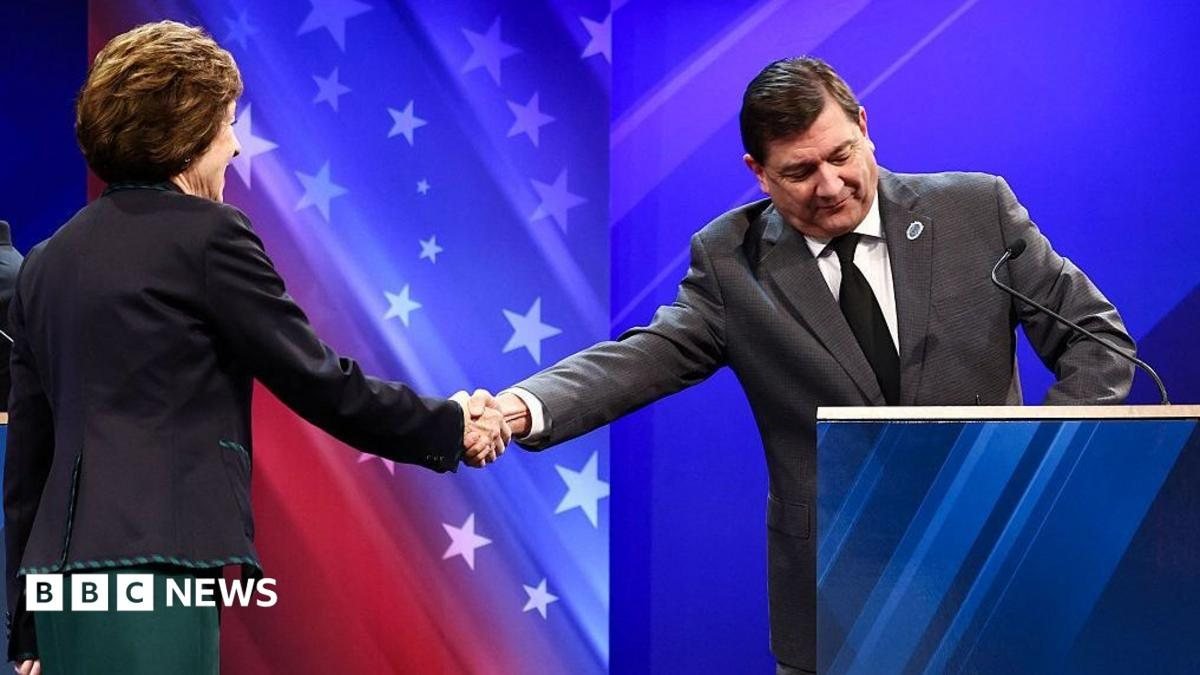
In Maine, Senator Susan Collins, a Republican seeking her sixth term, has explicitly highlighted her independence from Trump in her debate against Democrat Troy Jackson, the former president of the Maine Senate. During a recent debate, Collins noted that she voted against Trump 137 times in the current Congress alone and voted with President Joe Biden 91 percent of the time. Polls in the state present a close contest, with a mid-September New York Times/Siena University poll showing Collins leading by 3 percentage points, while other surveys show Jackson ahead.
In Iowa, Republican Congresswoman Ashley Hinson is facing a strong Senate challenge from Democrat Josh Turek, who leads in some recent polling. While maintaining broader party loyalty, Hinson criticized a Trump administration deal to import 300,000 tonnes from Russia during an October 13 debate, stating that while fuel prices must come down, the US should not strike deals with Russia to achieve that goal.
Personal Attacks Dominate Key Debate Platforms
Heated exchanges and personal insults have marked debates across several states. In Michigan's Senate contest between Democrat Abdul El-Sayed and Trump-backed Republican Mike Rogers, Rogers questioned during a debate whether members of El-Sayed's family were on a watchlist. El-Sayed, who would become the first Muslim member of the US Senate if elected, rejected the claim and referred to Rogers as a cowardly representative who acts as a sock puppet for the Trump administration.
Tensions also flared in Maine when a protester interrupted a debate, leading Collins to imply a connection between the protester and her opponent. Jackson responded directly, denying any knowledge of the individual involved.
In Georgia, incumbent Democratic Senator Jon Ossoff clashed with Trump-backed Republican Representative Mike Collins over data centre development funds. Ossoff called Collins a bigot, referencing inflammatory social media posts by Collins' son-in-law, David Alan Scheer II. Collins defended himself against the accusation, stating that he condemns racism and antisemitism regardless of the source, while accusing Ossoff of making irresponsible statements.
Candidates Skip Debates in Key Races
Despite 35 Senate seats being contested this November, an ABC News analysis found that no debates are scheduled among the main candidates in 21 of those races. The lack of televised debates has been particularly notable in high-profile contests.
In Texas, Democratic State Representative James Talarico is challenging Republican former State Attorney General Ken Paxton in a race that could impact control of the Senate, where Democrats require four seat flips to establish a majority. Talarico accepted four network debate invitations, whereas Paxton has accepted none, despite earlier statements from his campaign indicating he would participate and calls from Trump encouraging candidates to debate.
Commenting on candidate absences, Oakland University political science professor Peter Trumbore told CBS News that failing to participate in debates deprives candidates of the chance to present their own cases, leaving opponents free to frame the campaign narrative uninterrupted.