
US Imposes Tariffs on 60 Trading Partners Over Forced Labour Import Policies

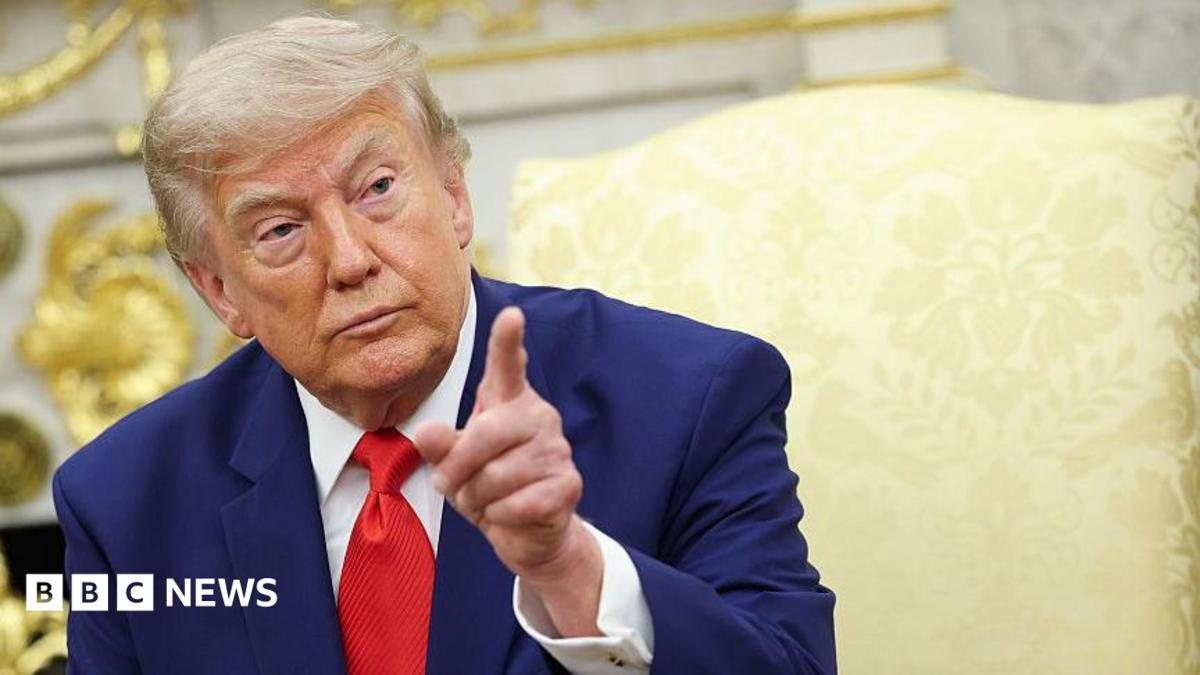
The United States is imposing new tariffs on approximately 60 trading partners, which account for the vast majority of its imports, over claims that these nations have failed to properly stop forced labour. The duties, ranging from 10% to 12.5%, target key economic partners including the United Kingdom, China, the European Union, Canada, Japan, and India.
The new measures are scheduled to take effect on Friday, coinciding with the expiration of a temporary 10% tax on foreign goods that was introduced earlier this year. This move represents the latest escalation in the global trade war reignited by US President Donald Trump upon his return to office last year.
Legal Avenues and Section 301
The implementation of these duties follows a ruling by the US Supreme Court earlier this year, which determined that many of the tariffs globally imposed under emergency powers were illegally enacted. Since that ruling, the president has sought alternative legal avenues to pursue his flagship trade policy.
The White House first proposed the 10% to 12.5% duties last month, citing concerns that dozens of countries were not doing enough to tackle forced labour. On Thursday, US Trade Representative Jamieson Greer, acting under Trump's direction, announced that those duties would now take effect.
"Today's action will begin to correct what is both a human rights abuse and distortive trade practice to improve the welfare of workers everywhere," Greer said in a statement. To implement the tariffs, Greer invoked Section 301 of the Trade Act of 1974, which governs US trade enforcement regarding practices that burden or restrict American commerce.
Tariff Structure and Reciprocal Agreements
According to the Office of the US Trade Representative, the latest tariffs are being imposed on partners "for their failure to impose and effectively enforce a prohibition on the importation of goods produced with forced labour." The new duties apply to the top 60 US trade partners, covering 99.4% of US imports.
The office stated that during his second term, Trump has made the adoption of a ban on imports produced with forced labour a "critical" component of reciprocal trade agreements with other nations. So far, 10 trading partners have agreed to enact such a ban within these agreements, while other countries have enacted bans in response to US investigations in recent weeks.
Trading partners that have "made commitments to adopt, and effectively enforce" bans on forced labour imports will be subject to a 10% tariff. Conversely, countries that have not made such commitments will face the higher 12.5% rate. Greer noted he was "encouraged by the trading partners who have moved quickly to adopt forced labour import prohibitions, and look forward to ensuring their effective enforcement."
Background of the Trade Dispute
President Trump has long argued that tariffs protect American workers, create more manufacturing jobs, and boost the domestic economy. After returning to the White House last year, he initially imposed tariffs of up to 50% on global trading partners during what he termed "Liberation Day," aiming to address what he viewed as decades of unfair treatment of the US.
However, in February, the US Supreme Court struck down those initial tariffs, ruling that the president had exceeded his authority by failing to gain approval from Congress. Consequently, tens of billions of dollars have been refunded to the companies that paid those levies.
In response, the White House has sought alternative methods to impose import duties, including the sweeping 10% temporary levy expiring this Friday. Earlier this week, the administration also invoked Section 338 of the Tariff Act of 1930 to impose 50% tariffs on products from Canada, alongside other tariffs on countries like Brazil.
Economic Impact and Future Actions
While the US and China remain embroiled in a tit-for-tat tariff war that is currently on hold, economists have warned that higher tariffs can increase the cost of everyday goods, such as coffee and microwaves. Because importing companies pay these taxes, they often pass the additional costs on to shoppers through higher retail prices.
The president has also utilized duties to pressure other countries, such as Mexico, on non-trade issues like labour rules. Business groups and affected countries are expected to push back against the latest measures, with many trading partners already weighing potential legal challenges or retaliatory duties.
Further trade actions may be on the horizon. The US Trade Representative is currently investigating 16 countries—which account for the vast majority of US imports—over claims of manufacturing overcapacity, a process that could pave the way for additional duties later this year.