
Thousands Evacuated as Out-of-Control Wildfire Devastates Canada's Okanagan Region

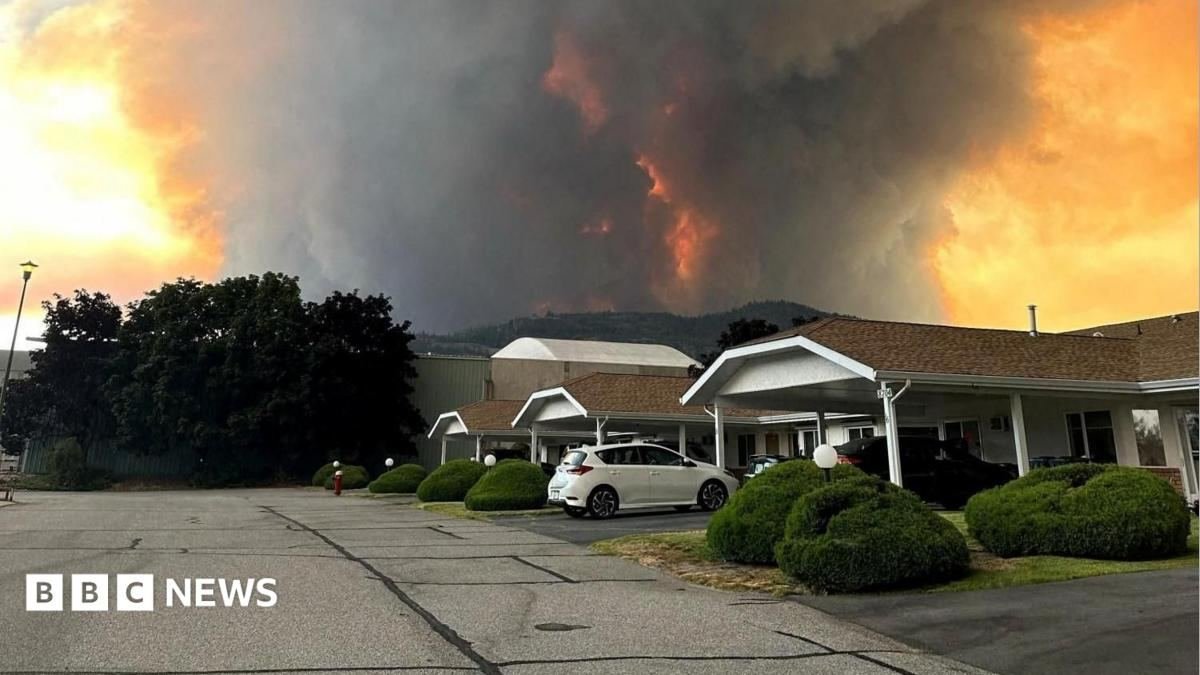
An out-of-control wildfire has torn through the Okanagan region of British Columbia, Canada, forcing more than 12,000 residents to evacuate their homes and causing widespread destruction. The Bald Range wildfire, which broke out on Friday, rapidly expanded to cover 53 square miles (136 square kilometers) within a matter of hours.
Emergency officials are still working to determine the exact number of homes lost to the blaze, which remains uncontained. Police confirmed on Sunday that an 80-year-old woman died while attempting to flee the advancing flames. With dry lightning, high temperatures, and strong winds forecast for the area, authorities have warned that the fire remains an active threat and could trigger new ignitions.
British Columbia Premier David Eby declared a state of emergency over the weekend, urging residents to strictly follow evacuation orders. He warned that the wildfires are moving "incredibly quickly" across the province, where more than 100 fires are currently burning, including 70 that started within the last week alone.
Impact on Local Residents
For many long-term residents of the picturesque Okanagan region, which is known for its vineyards, the speed of the Bald Range fire was unprecedented. Earl Kurz, who has lived in the lakeside town of Peachland for 30 years, said that while he has grown accustomed to wildfire threats over the last decade, this is the first time he has been forced to evacuate. Describing the aftermath, Kurz said, "It's total incinerated destruction. The hot spots are just barren areas of nothing except 12 inches of ash."
In Summerland, a town located just south of Peachland, 18-year-old Keegan Radomski described a narrow escape with her family. Radomski managed to retrieve her mother's ashes before the fire breached her property, which features a home built by her grandmother 30 years ago. She noted that while her family is familiar with evacuation notices, the speed of this fire caught them off guard. After spotting smoke during dinner on Friday, the family had to flee less than four hours later as a hill on their property began to burn. Radomski remains uncertain if her home survived.
Summerland Mayor Doug Holmes acknowledged that homes have been lost in the community, though the exact count remains unknown. "I think we need to prepare for the fact that everybody is going to know somebody that has lost a home," Holmes told CBC News.
Animal Rescues and Severe Drought
The rapid pace of the evacuations forced some farmers and residents to leave their livestock behind. Kaz Nowlin, a volunteer who has been rescuing stranded animals in the Okanagan since wildfires began last month, has been working with a group of volunteers to bring animals to safety. The group has already rescued dozens of animals, including 57 horses. Nowlin is currently seeking a permit to enter Summerland to retrieve 14 alpacas and eight horses left behind in the evacuation zone.
The wildfire crisis follows years of extreme drought in the Okanagan area. According to the Okanagan Basin Water Board, the water level of Okanagan Lake was at its lowest level since 1992 as of July. The dry conditions have fueled multiple blazes, including the nearby Bradley Creek fire, which is believed to have destroyed more than 200 homes before wildfire crews successfully brought it under containment.
Global Wildfire Activity
The dry conditions fueling the fires in British Columbia are also affecting neighboring regions. In the US state of Washington, just south of the Canadian border, drought conditions have contributed to wildfires that have forced more than 65,000 people to flee their homes.
Similar extreme weather has triggered devastating fires across Europe this summer, particularly in Spain and France, amid record-high temperatures and drought. France has experienced its worst wildfire season in two decades, while officials in Madrid reported the worst fires their region has ever recorded.
While wildfires are a natural part of Canada's boreal forest ecosystem, experts state that climate change, characterized by hotter and drier weather, has increased the frequency and intensity of these events over the past decade. The ongoing crisis follows Canada's worst wildfire season on record in 2023 in terms of total burned area.