The Musical and Cultural Legacy of Dolly Parton

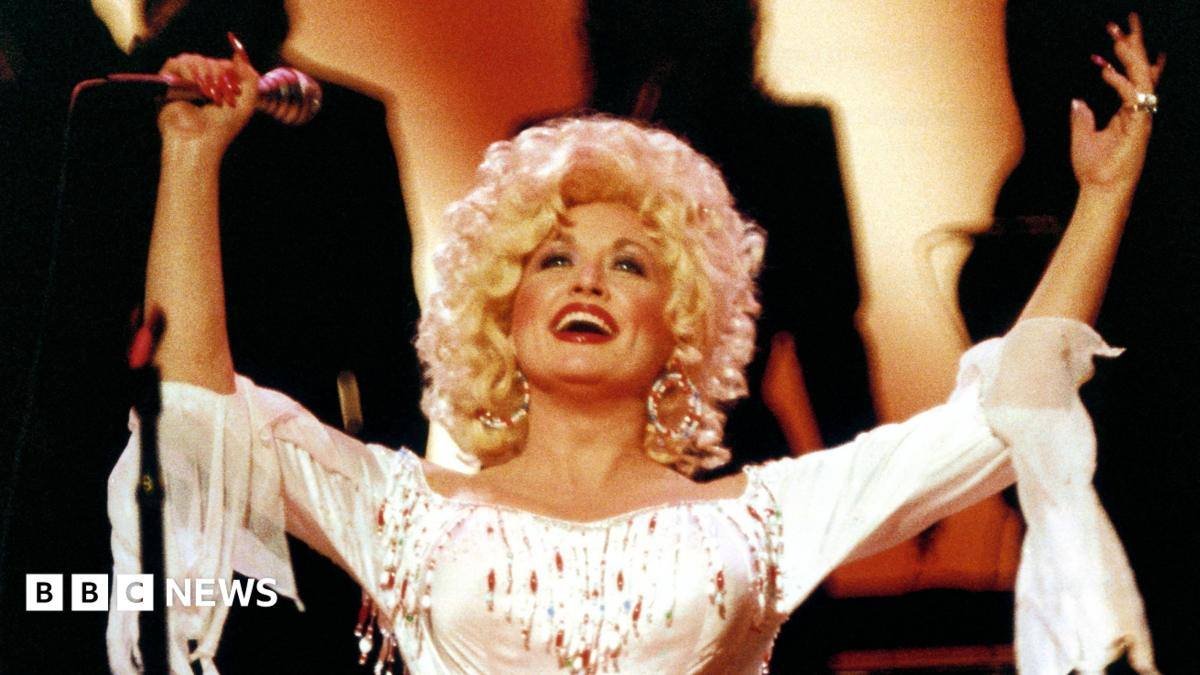
Following the death of country music icon Dolly Parton, tributes have poured in from global superstars, including Taylor Swift and Beyoncé, celebrating the legacy of a "bold and brilliant" artist. Beyond her larger-than-life stage persona, Parton leaves behind a profound musical catalogue and a reputation for fierce professional independence that reshaped the music industry.
Her career was defined by a rare combination of creative genius and a determination to defend her own self-worth as an artist. From her early days navigating the sexism of the music industry to her triumphs as a songwriter, Parton established herself as a unique and irreplaceable figure in global music.
The Creation of an Anthem
In 1980, while filming her first Hollywood movie, 9 To 5, Parton conceived the tune for what would become the film's theme song. Because her guitar was banned from the set, she created the song's distinctive beat by strumming her acrylic fingernails together. She realized the clicking sound mimicked the typewriter used by her character, a married secretary facing constant belittling and sexual harassment from her boss.
Parton shared the song with her co-stars Lily Tomlin and Jane Fonda, who also served as the film's producer. Fonda recalled the moment, stating, "Lily and I looked at each other and we had goosebumps. And we knew, this is not just a movie song, this is an anthem."
Released in November 1980, "9 To 5" became Parton's only solo number-one hit on the US charts and earned her an Academy Award nomination. While the song is celebrated for its catchy, universal hook, its lyrics carry a sharp critique of the corporate world, expressing frustration over how working women are used and denied credit by their employers.
Navigating the Music Industry
Parton's resilience was forged through decades of navigating a male-dominated industry, starting at the age of 13. Her early breakthrough came in 1967 when she joined The Porter Wagoner Show as the "girl singer." The television showcase reached millions of weekly viewers and led to 21 hit duets between Parton and Wagoner, including "Just Someone I Used to Know" and "Please Don't Stop Loving Me."
As Parton's popularity began to eclipse Wagoner's, she decided to pursue a solo career. She wrote "I Will Always Love You" as a musical letter of apology to her former mentor. In response, Wagoner filed a breach of contract lawsuit against her in 1979, seeking $3 million. To avoid a prolonged legal battle, Parton settled the dispute for approximately $1 million.
In her autobiography, Parton reflected on the settlement, writing: "I made up my mind that if he could live with it, I could live without it. I suppose Porter has done all right with it. I am neither his conscience nor his accountant." Despite the legal dispute, she maintained her goodwill, always crediting Wagoner for her initial career break.
A Steely Business Mind
Parton's business acumen became legendary, particularly regarding the rights to her music. After "I Will Always Love You" topped the country charts, Elvis Presley sought to record a cover of the song. However, the night before the scheduled recording, Presley's manager, Colonel Tom Parker, informed Parton that Presley would only record the song if she relinquished half of the publishing rights.
Parton refused, telling Parker she needed to keep the publishing rights for her family. Reflecting on the difficult decision in a 2020 podcast appearance with Reba McEntire, Parton admitted she "cried all night" but stood her ground despite peers telling her she was "nuts" to turn down Presley.
The decision proved highly lucrative. When Whitney Houston recorded her version of the song for the 1992 film The Bodyguard, Parton retained the rights, earning substantial royalties. She later invested those earnings into a Black neighborhood in Nashville, Tennessee, as a tribute to Houston's legacy.
This insistence on owning her work set a precedent for future generations of artists. Following Parton's death, Taylor Swift praised her "backbone of steel" in defending her worth. Parton had previously expressed her admiration for Swift's own strategy of re-recording her catalog, calling the move "smart" and "genius."
Songwriting Rooted in Real Life
Parton's songwriting journey began around the age of six with "Little Tiny Tasseltop," a song about her doll. Throughout her career, she drew on her personal history to write deeply relatable music. Her 1971 song "Coat of Many Colors" detailed her childhood pride in a coat hand-sewn by her mother, while her 1974 album My Tennessee Mountain Home served as a musical autobiography of her upbringing in a two-room log cabin without electricity or running water.
Her diaristic style also produced massive hits like "Jolene" and "All I Can Do." Alongside her personal stories, Parton used her platform to challenge social double standards. Songs like "Just Because I'm A Woman" openly criticized societal double standards in relationships, while her 2008 track "Backwood Barbie" addressed the misconceptions surrounding her appearance.
Beyond her music, Parton was known for her extensive philanthropy, which included funding scholarships for impoverished students and donating more than 200 million books to young readers through her literacy initiatives. Her ability to connect with diverse audiences remained a defining feature of her life and career.