
Smart Ring Maker Oura Files for Initial Public Offering Following Strong Revenue Growth

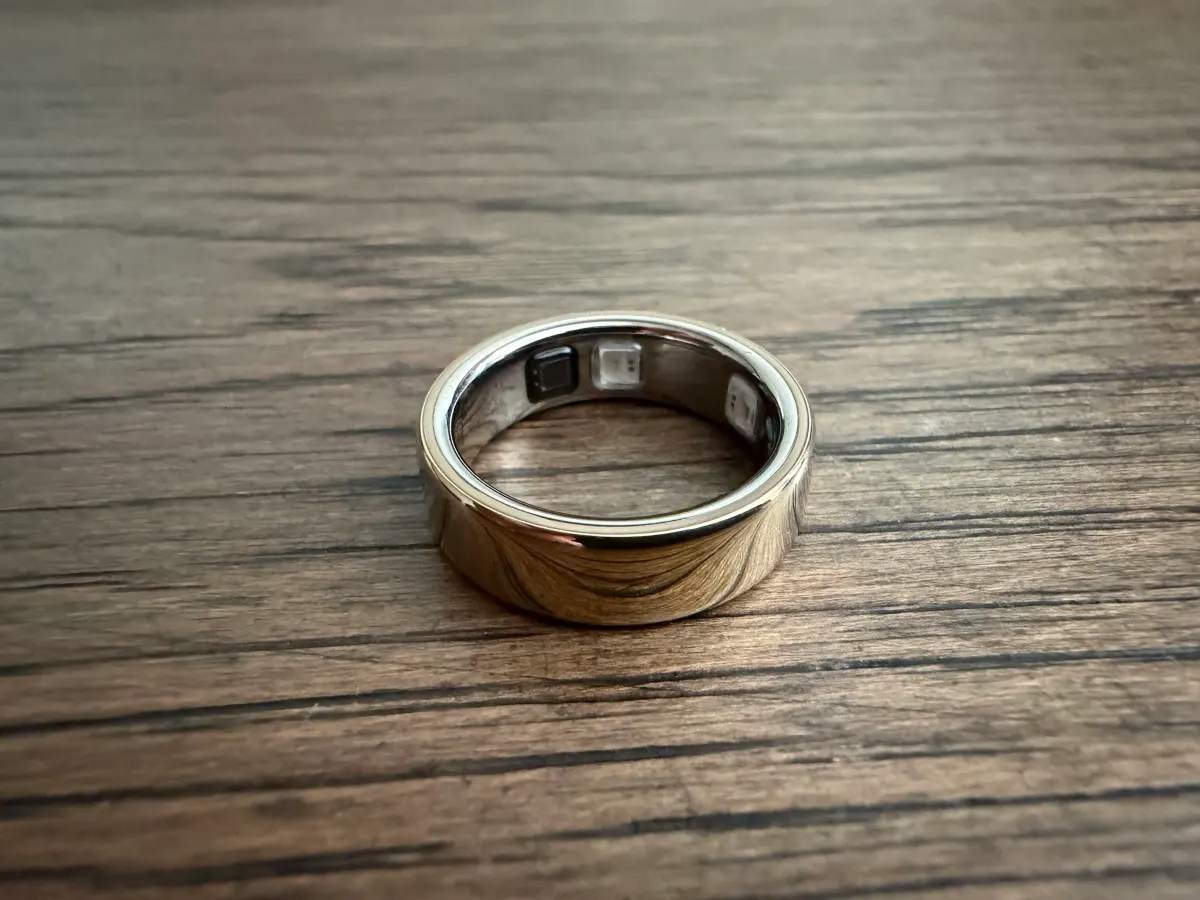
Oura, the maker of the smart ring wearable device, has filed to go public. A filing with the Securities and Exchange Commission (SEC) on Thursday reveals that the company has experienced substantial revenue growth over the past year.
According to the regulatory filing, Oura's revenue jumped to $1.2 billion during the nine-month period that ended June 30 this year. This is a significant increase from the $697 million in revenue recorded during the corresponding nine-month period last year.
The company previously stated that it generated $500 million in revenue in 2024 and roughly $1 billion in 2025. For the current year, Oura expects to generate close to $2 billion in revenue.
Membership and Sales Milestones
Oura reports that it has sold 3.6 million rings over the past year. The company currently has approximately 5 million paid members who subscribe to its service to access broader health metrics.
The SEC filing also highlights a weighted-average 12-month membership retention rate of approximately 85%. This metric indicates that roughly 85% of members who sign up in any given month remain subscribed to the service a year later.
Oura's rings, which retail in the range of $350 to $400, function fundamentally as fitness trackers. They are designed to measure a user's biometrics, including metabolism, heart rate, stress levels, and sleep patterns. When paired with its companion application, Oura markets the ring and software system as an "always-on health intelligence platform."
Valuation and Expansion Strategy
Reports late last month indicated that Oura is looking to raise $3 billion during its public offering. The company, which was founded in Finland in 2013, confidentially filed for an initial public offering (IPO) in May. Bloomberg previously reported that the company is expected to seek a $16 billion valuation, up from a valuation of around $11 billion in October of last year.
In its SEC filing, Oura outlined its strategy to expand its target audience in the coming years. The company stated that its opportunities extend beyond traditional wearable use cases centered on activity and fitness tracking. Oura believes its platform can support larger populations by expanding access, building clinical evidence, and deepening integrations with health plans, employers, and care providers.
The company also noted that its accumulated data is driving new artificial intelligence integrations. Oura claims to have amassed one of the largest and highest-quality longitudinal biometric datasets in consumer health, tracking over 50 health and wellness metrics representing nearly 42 billion hours of physiological data. This dataset is used to power its AI and machine-learning models to decode physiological patterns and improve personalization and predictive capabilities.
Legal Challenges Over Sleep Tracking
While Oura, which now operates offices worldwide including in San Francisco, prepares for its public debut, it faces legal challenges. The company was recently hit with a proposed class action lawsuit accusing it of misleading users regarding the accuracy of its sleep tracking capabilities.
The lawsuit alleges that Oura's rings cannot detect the physiological signals required to determine sleep stages, relying instead on AI-generated estimates that the complaint describes as being little more reliable than a coin flip. This litigation follows years of online complaints from users who claimed the device rated their sleep as optimal when it was not.
Oura has disputed these allegations. The company previously stated that it will defend itself against the claims in the appropriate legal forum.