
Samsung Redesigns Foldable Form Factor with Galaxy Z Fold 8 as Apple Entry Looms

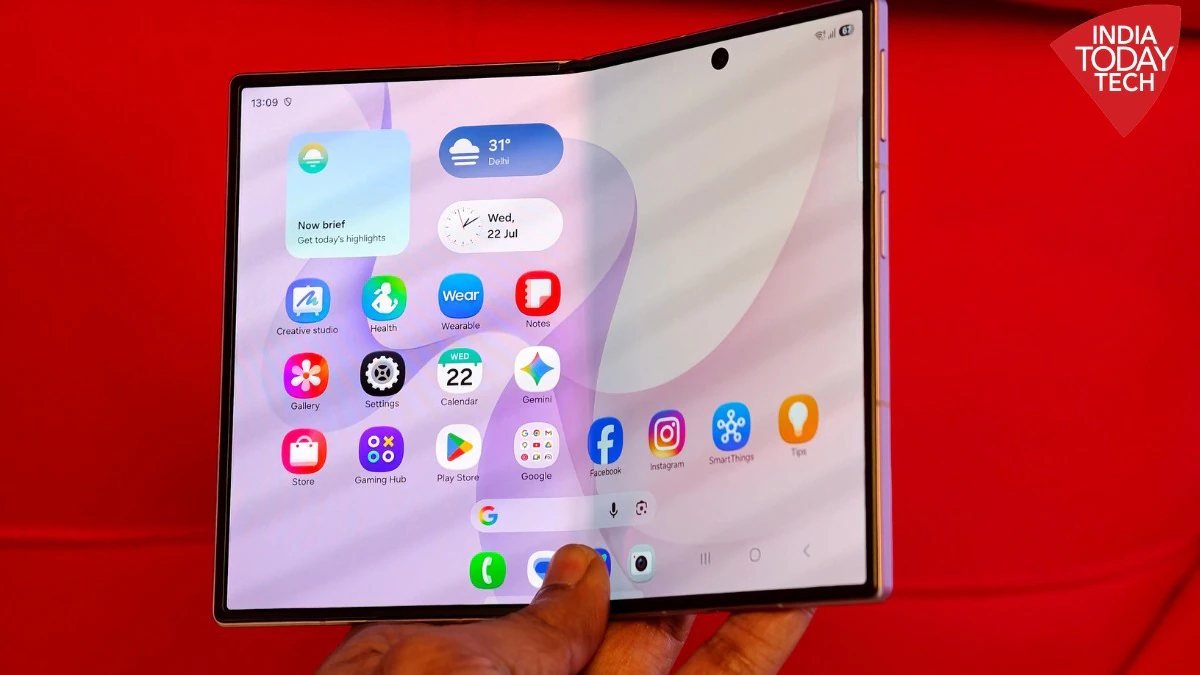
Samsung has introduced a significant design shift in its foldable smartphone lineup with the launch of the Galaxy Z Fold 8. Moving away from the tall and narrow cover screens that characterized its previous models, the South Korean technology company has designed a shorter and wider device resembling a passport style. This represents the first major form-factor change for the series since its debut in 2019.
The new design launches alongside the Galaxy Z Fold 8 Ultra. Industry analysts suggest that Samsung's decision to alter the aspect ratio of its flagship foldable is a strategic move ahead of Apple's anticipated entry into the foldable market. Some experts view the release as a pre-emptive strike, establishing a form factor that could define the future of the category.
Redesigning the Foldable Form Factor
Previous generations of the Galaxy Z Fold series featured narrow outer displays that some users found difficult to navigate. The Galaxy Z Fold 8 addresses this by introducing a 5.5-inch outer screen with a 10:16 aspect ratio. When unfolded, the device reveals a 7.6-inch inner display with a 4:3 aspect ratio, designed to offer a more natural viewing and typing experience.
To achieve this new shape, Samsung's engineering team reworked the chassis to create what is billed as the world's lightest book-style folding phone, weighing 201 grams. This makes it lighter than several traditional glass-and-metal flagship smartphones. The device measures 4.5mm thick when unfolded and 9.7mm when closed.
"I’m using the Fold 7 right now. It is not very usable in the sense that the front screen is very narrow and it's taller," said Navkendar Singh, Associate Vice President of Client Devices at IDC India. Singh noted that the similar-sized devices expected from both Samsung and Apple within a short window suggest this form factor could represent the future of foldables.
Under the hood, the Galaxy Z Fold 8 is equipped with the Qualcomm Snapdragon 8 Elite Gen 5 processor, up to 16GB of RAM, and up to 1TB of storage. It features a 4,800mAh battery supporting 45W fast charging, runs on Android 17 (One UI 9) with seven years of software support, and carries an IP48 rating for water and dust resistance.
Market Reception and Financial Barriers
To achieve the slim profile of the Galaxy Z Fold 8, Samsung made specific hardware trade-offs. The rear camera system consists of a dual 50-megapixel wide and 50-megapixel ultrawide configuration, omitting a dedicated optical telephoto zoom lens entirely.
Pricing also remains a significant barrier to widespread adoption. In India, the Galaxy Z Fold 8 starts at Rs 1,79,999 for the base 12GB RAM and 256GB storage variant, rising to Rs 2,39,999 for the top-tier 16GB RAM and 1TB storage model. Despite the premium pricing, Samsung reported strong initial demand, securing over 2,71,000 pre-orders within 72 hours of the July 22 launch in India.
"We believe that foldables as a category are here to stay, though it will take some time for them to become mainstream," said Tarun Pathak, Research Director at Counterpoint Research. Pathak pointed out that book-style foldables maintain an average selling price four times higher than standard smartphones, keeping them out of reach for many users. However, he noted that early feedback on the Fold 8's design, crease reduction, and hinge durability has been highly positive.
The Battle for Ecosystem Supremacy
Samsung has held a first-mover advantage since launching its original Galaxy Fold in 2019, allowing it years to refine flexible glass, hinge mechanics, and dual-screen software. However, analysts warn that hardware leadership alone may not guarantee long-term dominance once Apple enters the segment.
Prabhu Ram, Vice President of the Industry Research Group at CMR, observed that Samsung's eight-generation headstart is narrowing. He stated that sustaining leadership will require Samsung to move beyond incremental upgrades and focus on deeper ecosystem integration.
While Samsung offers an interconnected portfolio of watches, laptops, and earbuds, analysts highlight Apple's historical strength in seamless operating system integration across Macs, iPads, iPhones, and accessories. This established ecosystem could pose a significant challenge to Samsung's market share.
Will Apple Enter the Foldable Market?
Supply chain reports and market intelligence indicate that Apple is preparing to launch its first foldable iPhone in September. The device is expected to target an even higher price tier than Samsung's offerings, catering to a built-up demand among iOS users.
"Many consumers which we have spoken to, they tell us that one thing which is missing from Apple's arsenal is foldable," said IDC India's Navkendar Singh. He added that the success of an "iPhone Fold" will depend on how well Apple optimizes iOS applications to work seamlessly on the foldable form factor.
Rather than taking market share away from existing players, Apple's entry is expected to expand the overall foldable category. Tarun Pathak of Counterpoint Research noted that Apple's participation will likely encourage software developers to optimize apps for foldable aspect ratios at scale, benefiting the entire industry.
Despite these advancements, analysts do not expect 2026 to be the year foldables completely replace traditional slab phones. High manufacturing costs and premium pricing mean standard flagships like the iPhone Pro and Galaxy S series will continue to drive the majority of market volume. However, as Prabhu Ram concluded, 2026 is shaping up to be the year foldables begin their transition into the mainstream market.