
Reported US-Saudi Nuclear Agreement Raises Geopolitical and Non-Proliferation Concerns

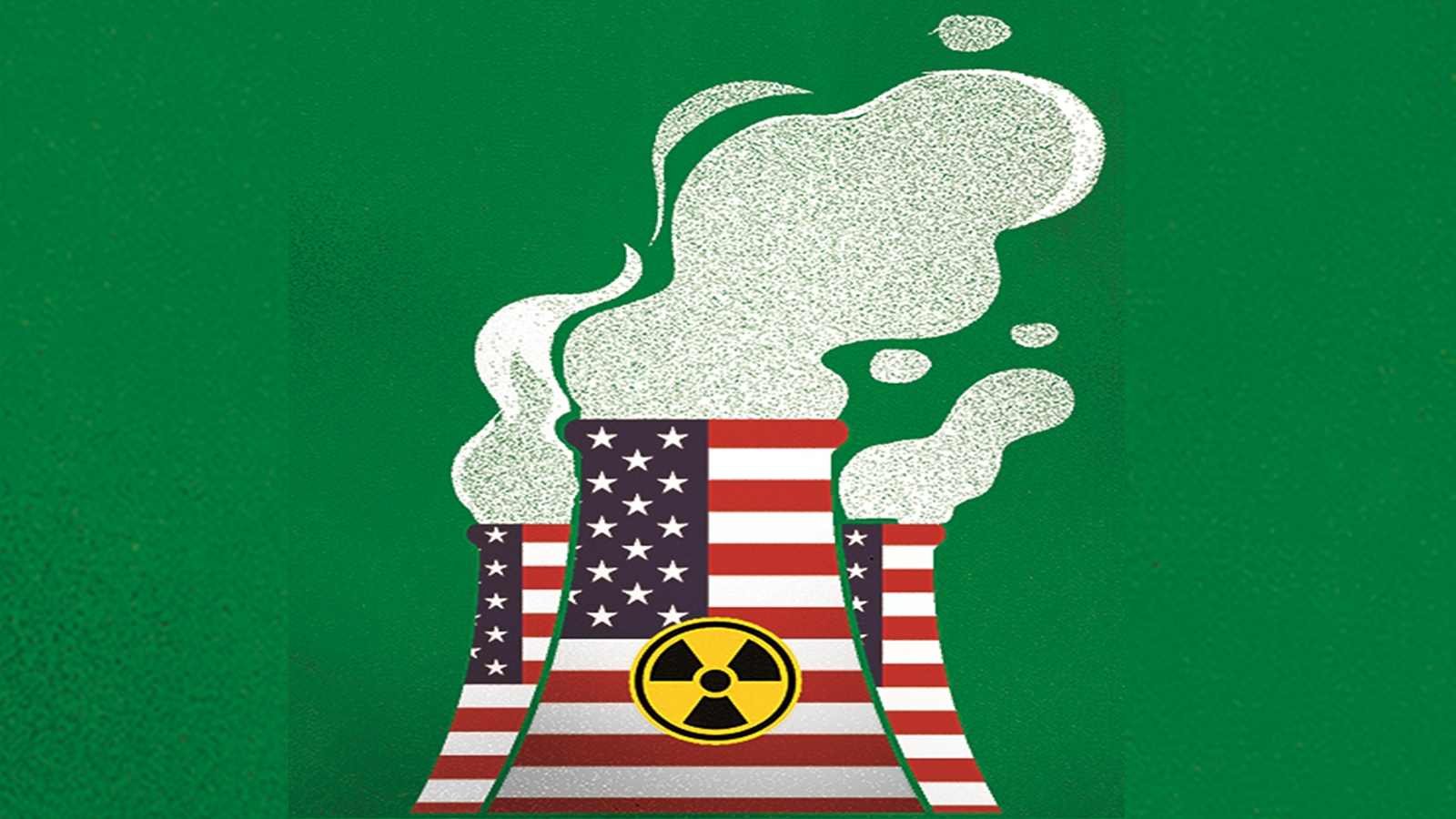
The reported nuclear cooperation agreement between the United States and Saudi Arabia represents a significant geopolitical shift, raising critical questions about international non-proliferation efforts and the balance of power in the Middle East.
Under the reported arrangement, the United States would extend civilian nuclear technology to Saudi Arabia. This transfer is positioned as part of a broader diplomatic package designed to normalise relations between Israel and Saudi Arabia, consolidate American influence within the Gulf region, and offset Iran's regional reach.
From an official standpoint, both nations have framed the agreement to align with their respective strategic priorities. Saudi Arabia presents the initiative as a step toward securing energy alternatives for its hydrocarbon-dependent economy as it transitions under its Vision 2030 framework. Meanwhile, US officials frame the cooperation as non-proliferation-compliant, maintaining that strict restrictions on enrichment and reprocessing will be integrated into any final agreement.
Shifting Non-Proliferation Standards
However, observers and diplomatic experts note that the agreement could signal a fundamental shift in American non-proliferation policy. Previously, US strategy in the region—exemplified by the Iran nuclear deal, which was negotiated under the Obama administration and subsequently dismantled under the Trump administration—was built on the principle of arresting nuclear proliferation in the Middle East, treating Iranian enrichment as the primary threat, and maintaining consistency within a rules-based order.
Critics argue that facilitating the transfer of nuclear technology to Riyadh suggests that non-proliferation standards may be negotiated when strategic interests require it. This shift could alter how other aspiring nuclear powers perceive international non-proliferation commitments.
Altering the Saudi-Iranian Power Dynamic
The introduction of nuclear technology to Saudi Arabia also carries profound implications for its long-standing rivalry with Iran. For decades, the competition between Riyadh and Tehran has served as a central organizing principle of Middle Eastern geopolitics. While expressed in sectarian terms, the rivalry is fundamentally a contest for regional hegemony, played out through proxy conflicts in Syria, Iraq, Yemen, and Lebanon, while also influencing the strategic calculations of Pakistan, Afghanistan, and other Gulf monarchies.
A nuclear-capable Saudi Arabia would fundamentally alter this power dynamic, challenging Tehran's assumption that it holds the technological and strategic initiative in the region. Analysts suggest that Iran could perceive its rival's acquisition of nuclear capacity—facilitated by the United States—as an existential provocation. This could prompt Tehran to accelerate its own uranium enrichment, pursue weapons capabilities outside of established negotiating frameworks, and harden its revolutionary stance domestically. Such developments could deepen regional divisions and trigger a renewed arms race in asymmetric capabilities, proxy conflicts, and sectarian mobilization.
The Israeli Strategic Dilemma
The agreement also introduces complex dynamics regarding Israel. Historically, Israel and Saudi Arabia have shared a common adversary in Iran, which has facilitated quiet cooperation between the two nations. However, a nuclear-armed Saudi Arabia would challenge Israel's long-standing strategic doctrine, which relies on maintaining a decisive technological and military edge in the region.
While the current diplomatic package aims to normalise ties, the growth of Saudi nuclear capacity could eventually erode the incentives for long-term Israeli-Saudi cooperation. A temporary alignment against Iran may give way to deeper structural conflicts, particularly if future escalations between Israel and Iran force Saudi Arabia to choose between defending American interests or pursuing its own.