Nevada Approves Commercial Robotaxi Permits for Tesla, Uber, and Waymo

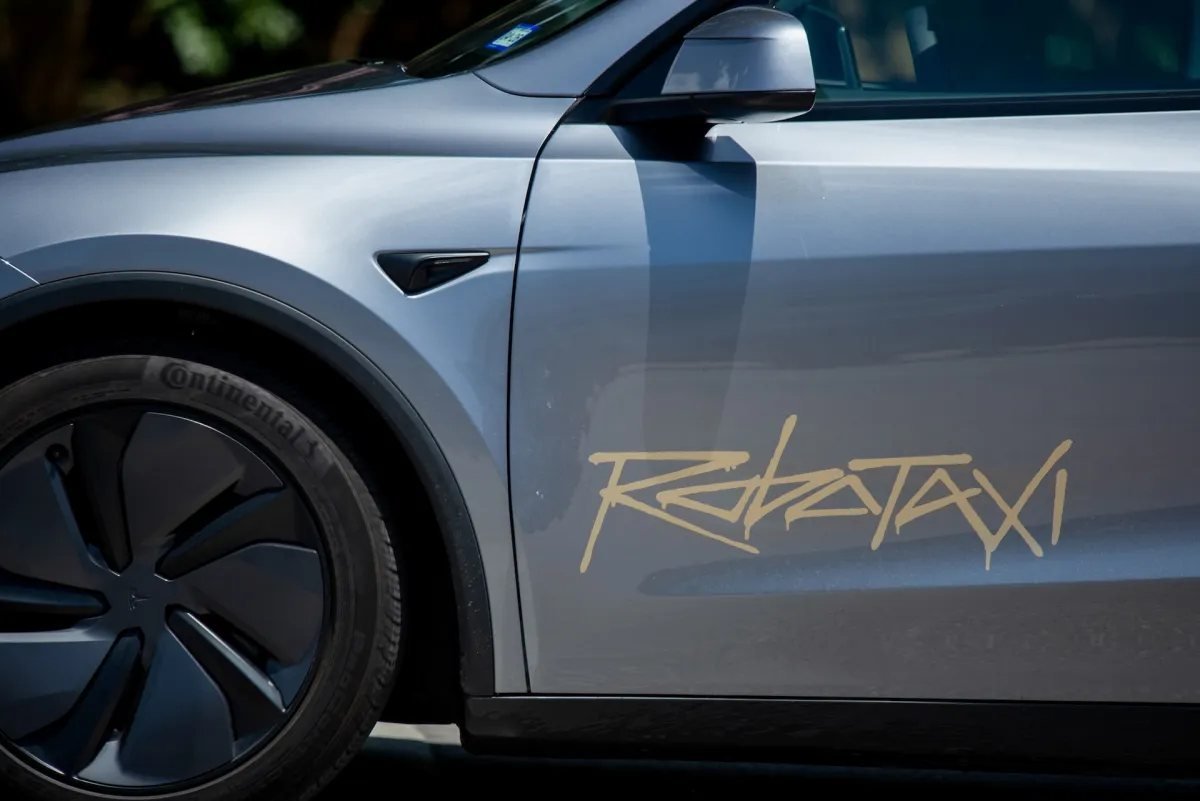
The Nevada Transportation Authority (NTA) has unanimously approved three permits allowing Tesla, Uber, and Waymo to launch commercial robotaxi services in Clark County, Nevada. The decision, finalized during a meeting on Thursday, clears the way for the companies to collectively deploy up to 8,000 autonomous vehicles across the county, which includes Las Vegas, over the next 12 months.
Under the newly approved terms, Tesla has been granted permission to deploy the largest fleet, with a cap of up to 5,000 robotaxis. Waymo received approval to operate up to 1,000 autonomous vehicles over the coming year. Uber was also authorized for up to 1,000 robotaxis, which it plans to operate through partnerships with Zoox and Motional, a subsidiary of Hyundai. Zoox already possesses an autonomous vehicle network company permit in the state, allowing it to run 100 robotaxis.
Deployment Timelines and Realistic Expectations
While the permits allow for a combined total of 8,000 autonomous vehicles, testimony from representatives of the involved companies indicates that actual deployment numbers during the first year may fall short of these maximum limits.
During the NTA meeting, Eric Early, Tesla’s Cybercab chief engineer, explained that the company does not expect to reach its full authorized capacity immediately. Early stated that the 5,000-vehicle limit has always functioned as a ceiling for the company.
"I don’t think we’ll be in a position by this time next year to deploy 5,000 vehicles, and it’s not [because of] the technology," Early said during the hearing. "I think we would be extremely happy and satisfied if we could get ourselves up to 2,500, maybe a bit higher than that in the next year."
Local Opposition and Traffic Concerns
The rapid expansion of autonomous ride-hailing services has drawn criticism from local industry representatives. The Livery Operators Association and local taxi companies formally opposed the permit applications, arguing that the approvals move the industry forward too quickly without sufficient safeguards.
Kimberly Maxson-Rushton, a lawyer representing the Livery Operators Association, outlined the industry's primary objections during the NTA hearing, pointing to potential negative impacts on both the local economy and public infrastructure.
"These applications raise two grave concerns," Maxson-Rushton said. "One deals with the oversaturation of the commercial transportation industry as a whole in Nevada. And the second one deals with the overcrowding of the roadways, and specifically the Golden Triangle."
The "Golden Triangle" refers to the high-traffic corridor located between the local airport, Las Vegas Boulevard, and the surrounding area. This zone has served as the primary testing ground for most autonomous vehicle operations to date. In addition to this area, Motional has been conducting autonomous vehicle testing in downtown Las Vegas and within the Town Square shopping district.
Beyond traffic congestion, the deployment of thousands of robotaxis has sparked debate over its long-term impact on the local workforce. Critics warn that the widespread adoption of autonomous fleets could eliminate jobs for traditional taxi and gig-economy drivers. Conversely, proponents argue that the industry will generate new employment opportunities focused on the maintenance, charging, and cleaning of autonomous vehicle fleets.
Uber Advocates for a Hybrid Ride-Hailing Model
In navigating the regulatory and labor challenges, Uber has positioned itself as a proponent of a hybrid operational model. The company advocates for ride-hailing networks that integrate both human drivers and autonomous vehicles to manage fluctuating demand.
Uber has previously lobbied for regulatory frameworks that would require robotaxis to operate exclusively on ride-hailing networks that also employ human drivers. This strategy places Uber at odds with Waymo's operational model and serves as a strategic hedge in case its own autonomous vehicle partnerships do not progress as quickly as those of its competitors.
During the NTA meeting, Uber reiterated this stance, arguing that a hybrid approach allows municipalities to gradually integrate autonomous vehicles to handle peak demand periods without suddenly oversaturating the local transportation market.