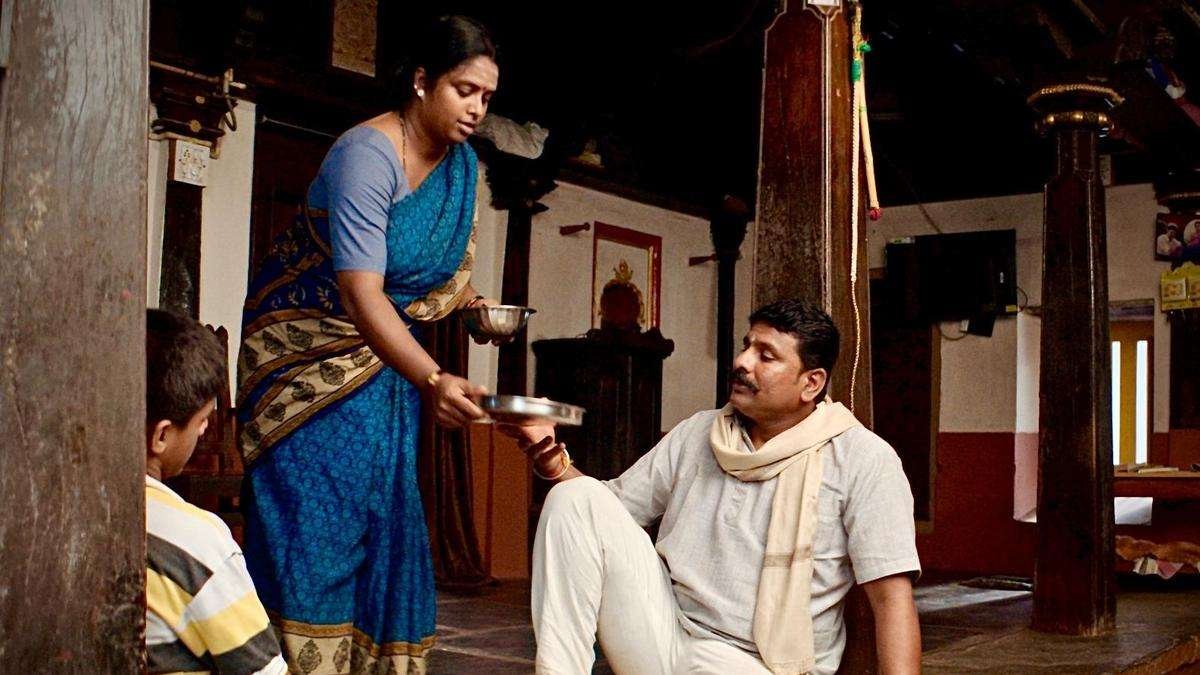
Kerala High Court Seeks Government Response Over Teacher's Suspension in Savarkar Quiz Controversy

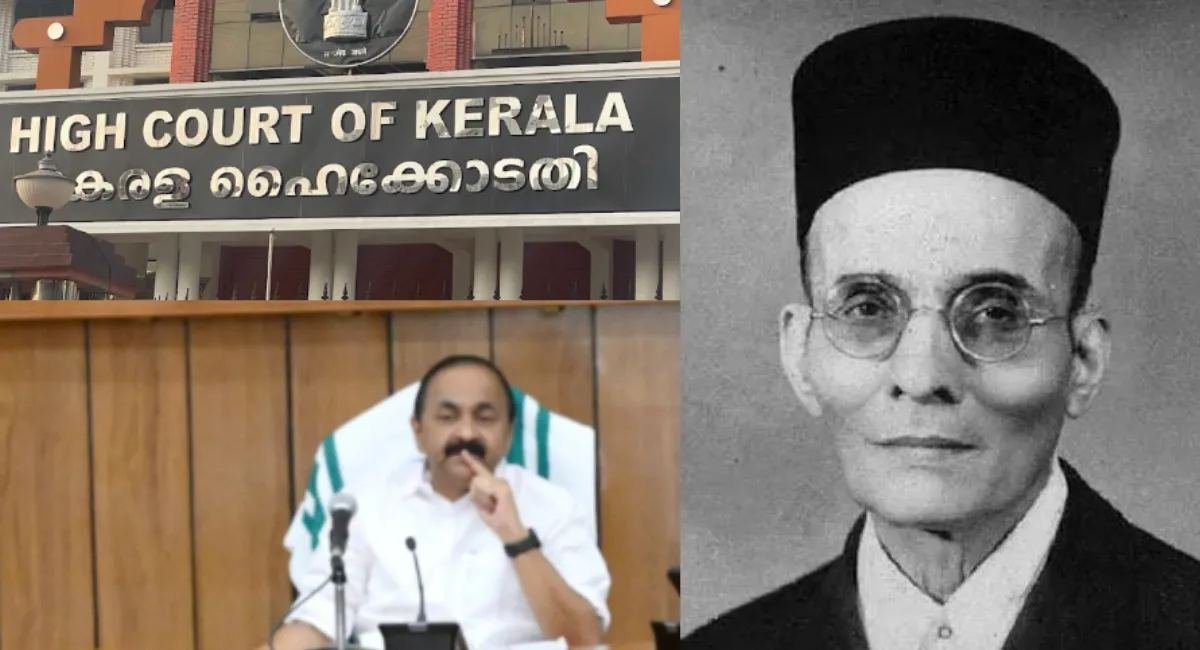
The Kerala High Court on August 13 sought an explanation from the State Government regarding the suspension of Guruprasad, a school teacher from Pallathadukka in Kasaragod’s Kumbla area. Guruprasad was suspended after drafting a question paper for a student quiz that included Vinayak Damodar Savarkar as one of the multiple-choice options.
During the hearing of a petition filed by Guruprasad challenging his suspension, the Court questioned whether a teacher could be suspended solely for drafting a question that was deemed incorrect. The Court directed the government to present the actual reason behind the disciplinary action and scheduled the next hearing for August 17.
The Quiz Question and Subsequent Protests
The controversy stems from a Freedom Quiz organised on August 6 for Lower Primary School students across the Kumbla, Manjeswaram, and Kasaragod sub-education districts. Guruprasad, an upper primary school teacher, led the team responsible for preparing the quiz questionnaire.
One of the questions in the quiz asked students to identify the freedom fighter who served the longest prison sentence under British rule, with "Veer Savarkar" listed among the objective answers. This inclusion triggered immediate protests from the Democratic Youth Federation of India (DYFI), the youth wing of the CPM, and the Muslim Students Federation (MSF), the student wing of the Indian Union Muslim League (IUML).
Following the demonstrations, Kerala General Education Minister N. Shamsudheen sought an explanation from the Kasaragod District Education Officer. The minister stated that the quiz was not part of the official activity calendar of either the General Education Department or the Social Science Club, noting that neither body had authorised the local competition or the use of unofficial questions.
Suspension and Political Backlash
On August 9, the General Education Department suspended Guruprasad and initiated disciplinary proceedings under the Kerala Education Rules. The suspension quickly escalated into a political dispute, drawing sharp criticism from the Bharatiya Janata Party (BJP).
BJP leader K. Surendran condemned the suspension, describing it as a "witch-hunt" against the teacher. Surendran defended the historical accuracy of the question, stating that Savarkar underwent a lengthy period of imprisonment during the British Raj, and assured Guruprasad of the BJP's full support.
The issue also triggered street protests in Kasaragod, where BJP leaders and workers demanded justice for the suspended teacher. The BJP alleged that police used force against its protesters, raising specific objections over the treatment of women participating in the demonstration.
Debate Over Historical Legacies and Appointments
The political row has renewed debates regarding the historical legacy of Savarkar among different political fronts in Kerala. Critics of the suspension pointed out that a commemorative stamp honouring Savarkar was issued on May 28, 1970, during the tenure of Prime Minister Indira Gandhi. Additionally, they noted that historical Left leaders, including E.M.S. Namboodiripad and A.K. Gopalan, had previously acknowledged Savarkar's role in the freedom struggle.
Alongside the suspension, a new controversy has emerged regarding appointments within the Education Department. Opponents have questioned the appointment of K.K. Mohammed Ashraff to the personal staff of General Education Minister N. Shamsudheen, which was approved on August 6.
Ashraff is a state committee member of the Welfare Party of India, a former Malappuram district president of the Students Islamic Organisation (SIO), and a former state secretary of the Fraternity Movement. BJP and allied Hindu organisations have raised concerns over the timing of this appointment, alleging that religious and political influences within the department may have played a role in the swift action taken against the teacher.