Jana Nayagan Review: Vijay’s Final Film Struggles to Balance Political Message and Cinematic Storytelling

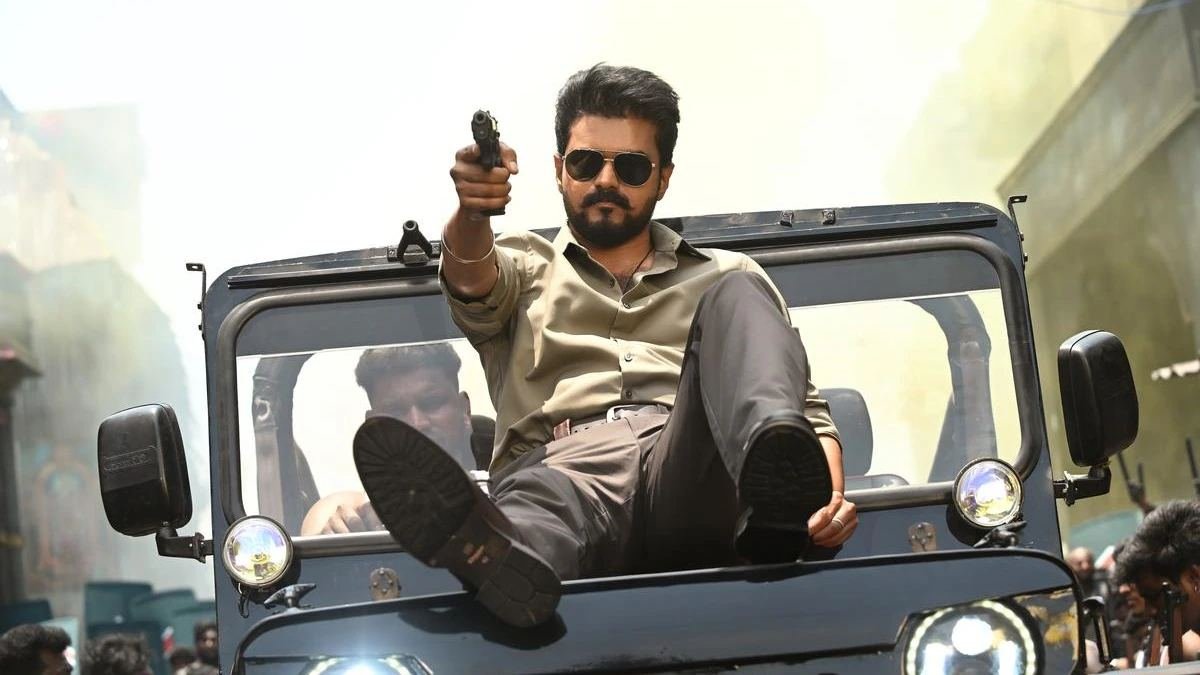
Marking the end of a 33-year cinematic career spanning 69 films, the release of Jana Nayagan has drawn massive audiences to theatres globally. The film serves as a final cinematic outing for Thalapathy Vijay, who is transitioning into his political role as Chief Minister. Directed by H Vinoth, the film attempts to balance its identity as a farewell tribute to an established actor and a platform for his political messaging, though it frequently struggles to reconcile these dual ambitions.
A Narrative Built on Family and Conflict
The story of Jana Nayagan, which is heavily inspired by the film Bhagavanth Kesari, follows Thalapathy Vetri Kondan, played by Vijay, who is serving a prison sentence as an obedient inmate. He shares a close relationship with Srikanth, an honest jailer portrayed by Gautham Menon. Srikanth’s daughter, Viji, played by Mamitha Baiju, becomes a central figure in the narrative after Srikanth meets with a fatal accident. On his deathbed, the jailer entrusts Vetri Kondan with Viji's future, requesting that he guide her to join the army and raise her to be a strong, independent woman.
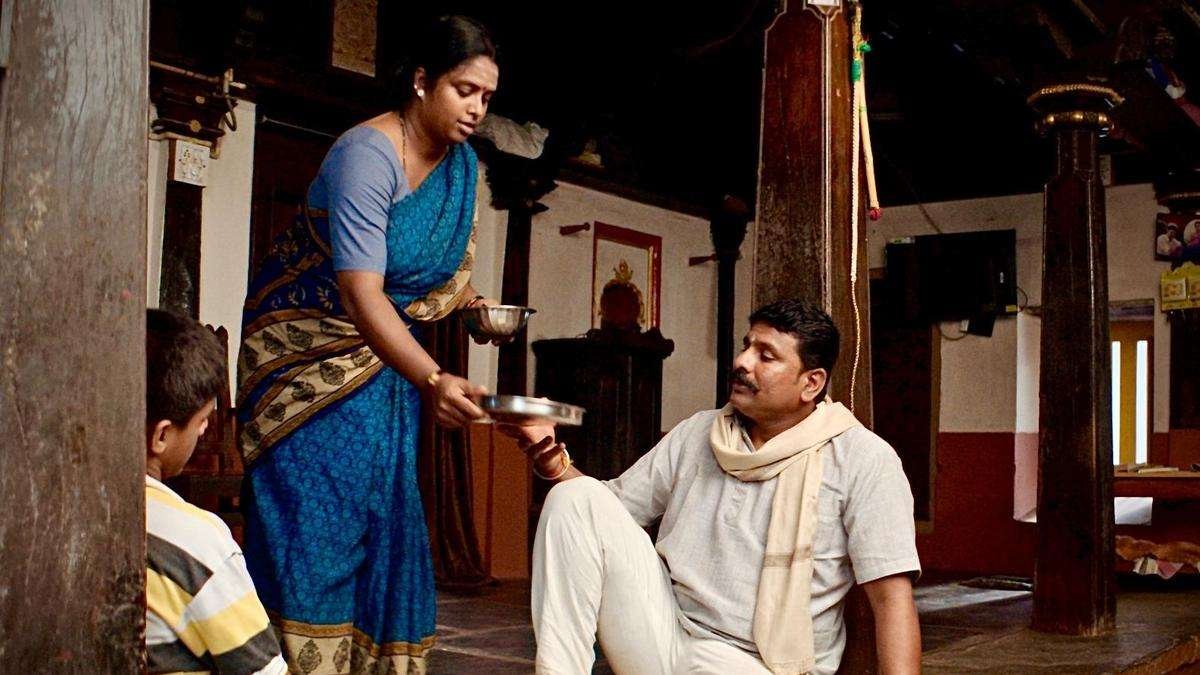
The central conflict escalates with the introduction of John Himmler, a corporate antagonist played by Bobby Deol, who utilizes animatronics to instigate large-scale chaos. When Viji becomes entangled in this disruption, Vetri Kondan's protective instincts are triggered, forcing him to confront his past and face the antagonist in a major showdown. A quieter flashback sequence reveals Vetri Kondan’s history as a principled police officer, presenting a more grounded, emotionally resonant segment of the film before the narrative shifts toward larger spectacles.
Political Undertones and Censor Board Interventions
The film functions heavily as a political statement, aligning with Vijay's real-world political transition. However, the integration of these themes faced challenges during the certification process. The censor board muted most of the direct references to Vijay's political party, the Tamilaga Vettri Kazhagam (TVK), and softened some of the sharper party call-outs. Prior to these edits, Vetri Kondan's arm tattoo displayed the letters "TVK" before being altered.
Despite these modifications, the remaining footage continues to position Vijay as a considerate political figure and an alternative leadership option for Tamil Nadu. This heavy emphasis on political messaging often overshadows the core narrative, making the film feel more like a campaign speech than a cohesive cinematic story.
High Points and Production Challenges
The film's peak occurs during its interval block, where the scale, dramatic tension, and Vijay's screen presence align effectively. This segment, along with a few standard elevation scenes, successfully delivers high-energy moments for the audience. However, the additions and subplots introduced by director H Vinoth to modify the original Bhagavanth Kesari storyline often feel dated, serving as narrative padding that slows down the film's progression.
The second half of the film introduces several disparate elements, including geopolitical unrest, cross-border terror threats, aerial combat, and battles involving machines. This includes a prolonged, 20-minute action sequence centered around "Operation MM," led by Bobby Deol's character, which suffers from shaky visual effects and a lack of narrative integration. Additionally, the film's editing by Pradeep Ragav lacks smooth transitions in several patches, and an extended climax further tests the audience's patience.
Performances and Technical Contributions
Among the cast, Mamitha Baiju delivers a strong performance, portraying her character with genuine agency. In contrast, Pooja Hegde is underutilized in a thin, decorative role. Bobby Deol brings a menacing presence to the antagonist role but is ultimately limited by the writing and the quality of the visual effects surrounding his character's arc.
The supporting cast, which includes Prakash Raj, Revathi, Priyamani, Narain, and Nasser, largely serves to fill out the frame without receiving significant development. Raichel Rebecca’s brief segment provides one of the few emotionally affecting sequences, though it runs longer than necessary to make its point.
The film is largely held together by the commitment of Vijay and the musical score by Anirudh Ravichander. The track "Ravana Mavanda" stands out as a major theatrical highlight, maintaining energy even when the screenplay falters. Ultimately, while dedicated fans will find value in this final cinematic farewell, the film's structural issues and lengthy political overtones detract from its overall impact as a standalone entertainer.