Israel Election 2026: Netanyahu and Eisenkot Face Off as Polls Signal Coalition Deadlock

Israelis head to the polls on Tuesday, October 27, to vote in the country’s parliamentary election to decide the composition of the 120-member Knesset. Voting stations open at 7:00 AM and close at 10:00 PM in the first national election held since the October 7, 2023, Hamas-led attacks. The election serves as a central test for Prime Minister Benjamin Netanyahu following four years marked by military conflicts and political instability.
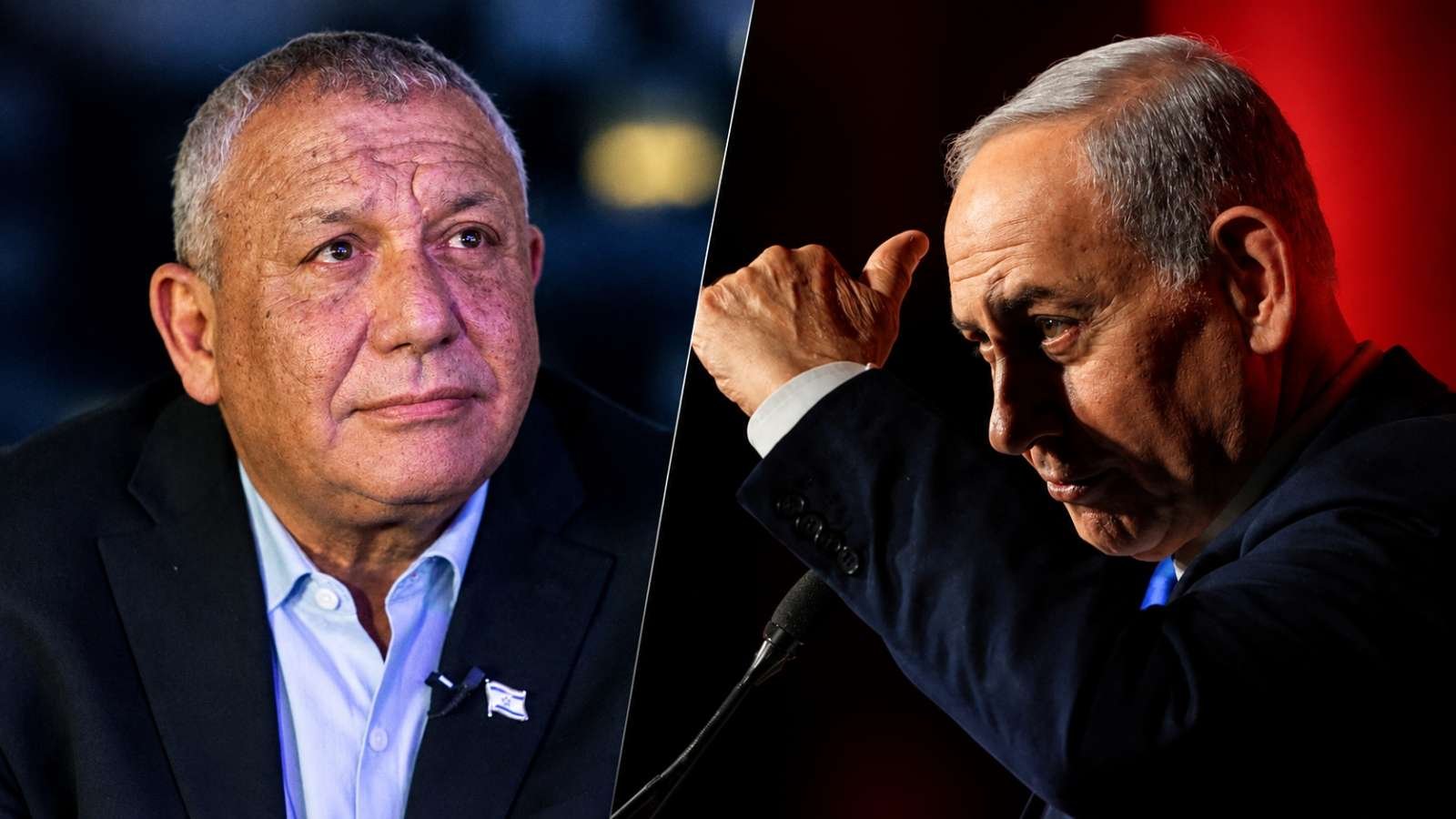
Netanyahu’s principal opponent is former army chief Gadi Eisenkot, who launched his party, Yashar, in September 2025. Approximately 7.3 million voters are eligible to participate, with 38 registered political parties competing. Recent polling suggests around 11 parties will meet the 3.25 percent electoral threshold needed to enter parliament, which translates to roughly four seats. While Israel experienced five elections between 2019 and 2022, the outgoing Knesset is on track to become the first parliament since 1988 to complete a full four-year term.
Knesset Seat Projections and Parliamentary Blocs
Under Israel’s proportional representation system, no single political party has ever secured an outright 61-seat majority on its own. Pre-election surveys across multiple outlets—including Zman Yisrael, Walla, Channel 12, and Channel 13—indicate that neither the pro-Netanyahu nor the anti-Netanyahu alliance is projected to cross the 61-seat threshold required to form a government without complex post-election negotiations.
A Zman Yisrael and Tatika Research poll conducted on October 14–15 among 500 respondents projected the pro-Netanyahu bloc at 49 seats. This alignment includes Netanyahu’s Likud leading with 20 seats, followed by the ultra-Orthodox Shas party with 8 seats, United Torah Judaism (UTJ) with 8 seats, Itamar Ben-Gvir’s Otzma Yehudit with 7 seats, and Bezalel Smotrich’s Religious Zionism-Zehut list with 6 seats.
The anti-Netanyahu parties are projected to hold a combined 54 seats. Eisenkot’s Yashar party leads all political groups with 26 projected seats. B’Yachad—a joint list formed by former prime ministers Naftali Bennett and Yair Lapid—is projected at 11 seats. Avigdor Liberman’s Yisrael Beiteinu holds 9 projected seats, while Yair Golan’s The Democrats holds 8 seats. Despite being the largest single alliance, the anti-Netanyahu group remains seven seats short of a governing majority.
Role of Arab Parties and Unaligned Factions
Arab-majority parties are projected to secure 13 seats in the next Knesset. The Joint List, led by Yousef Jabareen, holds 8 projected seats, while Mansour Abbas’s Ra’am (United Arab List) is projected to win 5 seats. Notably, Ra’am’s candidate list includes former senior police official Yoav Segalovich in its second position, making him the party’s first Jewish candidate. Historically, mainstream Zionist parties have avoided forming governing coalitions with Arab parties.
The unaligned Reservists-Economy list, led by Yoaz Hendel and Yaron Zelekha, is projected at 4 seats, pulling support primarily from the pro-Netanyahu base. Other lists, including Ofer Winter’s Amcha Yisrael at 2.8 percent and Blue and White at 1.2 percent, fall below the 3.25 percent threshold needed for representation.
Council on Foreign Relations (CFR) expert Steven A. Cook noted that the opposition cannot reach 61 seats without securing support from either the ultra-Orthodox parties or Ra’am. Meanwhile, United Torah Judaism, which withdrew from Netanyahu’s coalition in July 2025 over conscription disputes, has indicated it will not automatically block a coalition led by Eisenkot.
Key Issues Shaping the Vote
Voters are assessing five major issues in this election: official accountability for the October 7 security failures, military service exemptions for ultra-Orthodox men, rising cost of living, national security, and Israel’s international standing. Demonstration rallies took place in Tel Aviv on October 24, with citizens demanding an independent state commission of inquiry into the October 7 attacks.
Military exemptions for the ultra-Orthodox (Haredim) remain a contentious domestic debate. Israel’s Supreme Court struck down broad military service exemptions for Haredi men in 2024. Political friction over the issue previously caused United Torah Judaism to walk out of Netanyahu’s coalition in July 2025. Earlier in January 2025, Ben-Gvir’s Otzma Yehudit temporarily exited the coalition over Gaza ceasefire terms before rejoining two months later.
In September 2026, key opposition figures—including Eisenkot, Bennett, Lapid, Golan, and Liberman—signed a joint pledge promising no mutual political attacks, the creation of an official commission of inquiry into October 7, a unified position on Haredi conscription, prime ministerial term limits, and the establishment of a formal constitution. However, the opposition leaders did not resolve who would serve as prime minister or whether they would include Arab parties in a coalition.
Foreign Policy and Coalition Process
External diplomatic relationships with the United States, Europe, and Arab partners have experienced strain over recent years, during which Israel engaged in two conflicts with Iran, executed military strikes in Syria, and clashed with Yemen’s Houthis. Analysis from CFR experts indicates broad cross-party consensus on maintaining a firm security posture toward Iran, Syria, and Lebanon. Furthermore, Palestinian statehood remains overwhelmingly rejected by virtually all Jewish-majority parties.
CFR analysts suggest an opposition victory would primarily alter the government's diplomatic tone and lead to stronger enforcement against West Bank settler violence, potentially easing tensions with foreign partners, including US Democrats.
Following Election Day, official results must be published by November 4. Within seven days of publication, the President of Israel will assign a mandate to the lawmaker deemed best positioned to form a government. The designated nominee receives 28 days to construct a 61-seat majority, with a potential 14-day extension. If coalition talks fail, CFR analyst Elliott Abrams noted that the country could face another parliamentary election.