Hyderabad's Art Scene Evolves From Humble Beginnings to Global Engagement
Hyderabad’s art scene is undergoing a steady transformation, expanding beyond traditional galleries to incorporate installations, experimental media, public art, and unconventional exhibition spaces. Today, the city's artistic landscape features performance and video art, café workshops, and a growing wall-art culture, reflecting a balance between regional identity and a globalised art world.
This vibrant contemporary scene stands in stark contrast to the city's artistic environment half a century ago. According to 86-year-old artist Laxma Goud, Hyderabad had virtually no art scene or practising artists fifty years ago. While Pakhal Tirumal Reddy, known as PT Reddy, is now regarded as a pioneer, his recognition at the time was largely confined to Narayanguda, the neighborhood where he lived and worked.
The Early Struggles and Collaborative Beginnings
To establish a footprint, Laxma Goud, alongside the late Surya Prakash and Devraj Dakoji, rented a garage in Himayatnagar to set up a collaborative studio. Initially, the trio focused on batik art using wax, a direction suggested by the late art historian and collector Jagdish Mittal.
However, they discontinued the practice after artist MF Husain criticized their efforts, urging them to pursue original art rather than craft. Goud recalls that Husain's sharp words gave them direction and brought a new sense of vibrancy to their work.
Historically, art in Hyderabad was highly creative, traditional, and primarily figurative. Artists like Goud and Thota Vaikuntam drew heavy inspiration from the region's culture, people, and ethos. Meanwhile, Surya Prakash pioneered abstract art in the city, though it took time to gain local acceptance.
Traditional Roots and Institutional Support
Avani Rao Gandra, artist and founder of the Iconart gallery, notes that interest in contemporary art was historically stronger in Mumbai and Delhi due to colonial-era social and cultural conditions. In contrast, Hyderabad remained deeply rooted in tradition, particularly the Lepakshi painting tradition, which is characterized by a rich, narrative style of mural art used for storytelling and cultural preservation.
Gandra highlights that undivided Andhra Pradesh possessed rich traditions such as Kalamkari and Nakash, which continue to enrich both Telugu states today. Over the years, institutions like the Lalit Kala Akademi and the Hyderabad Art Society helped nurture local talent. Key figures such as PT Reddy, Vidya Bhushan, and Jagdish Mittal helped elevate the local art world, supported by LN Gupta, an administrator with the Industrial Exhibition Society who championed the arts.
In the past, exhibition venues were highly limited. Artists had to rent Kala Bhavan on the Ravindra Bharathi premises or exhibit at the Max Mueller Bhavan, though the latter only permitted solo exhibitions for outstation artists. Septuagenarian artist Anjani Reddy, who rented her first studio in 1987 for ₹500, held her debut solo exhibition at Kala Bhavan in 1991.
The Modern Shift and the Role of Galleries
With few private buyers in the early days, sustaining a livelihood through art was difficult. The opening of the Surya Art Gallery by Surya Prakash in the early 1990s marked a turning point, paving the way for more gallery spaces. Gandra attributes the modern shift to a younger generation of residents who have been exposed to international museums and galleries during travels abroad, fostering a more global outlook in the city.
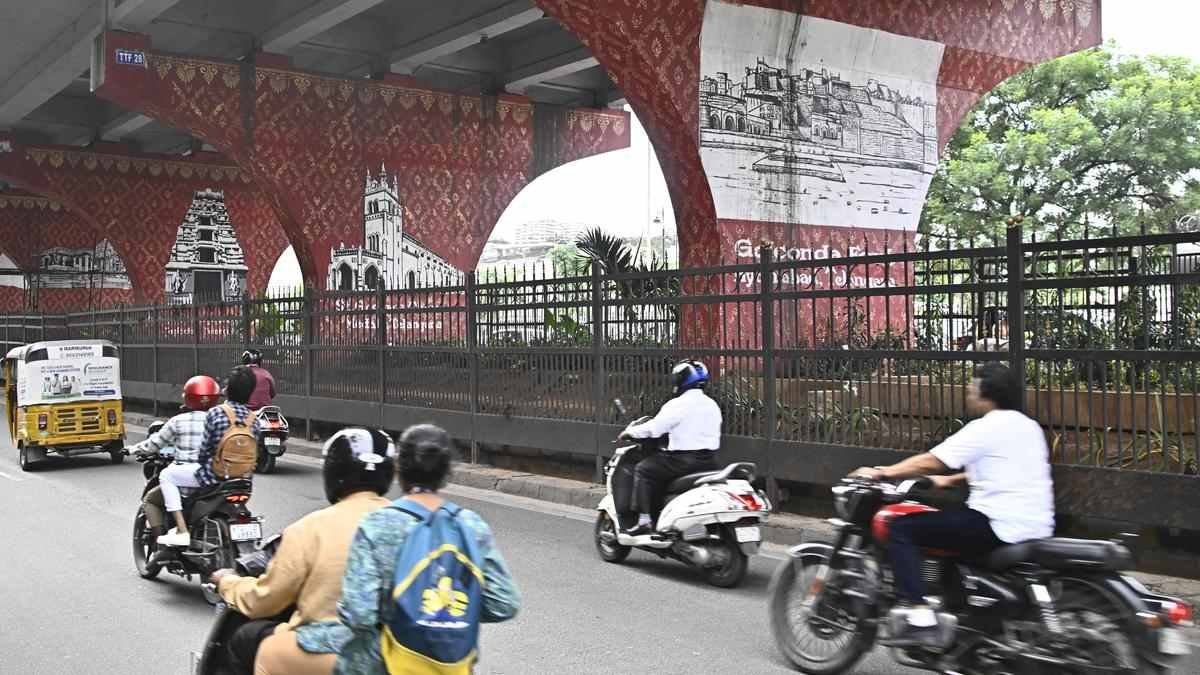
While public art installations, such as murals on the Telangana Talli flyover near the Secretariat, bring art into daily life, Gandra observes that gallery footfalls remain low due to the instant gratification offered by social media.
Though alternative spaces like cafés and public areas make art accessible, Gandra emphasizes that traditional gallery spaces remain essential. She notes that white-cube gallery spaces provide the necessary curatorial context, focused attention, and contemplative environment required for a deeper engagement with an artist's intent, material, and process.