
How Linda Jensen is Reshaping Financial Advisory Through Holistic Tax and Retirement Planning

The global financial landscape has grown increasingly complex over the past few years. Unprecedented global quarantines and geopolitical conflicts have had a profound impact on the market, while fast-changing regulations and intricate tax structures have heightened the need for transparency. These shifts are driving the financial industry toward fiduciary frameworks and long-term planning. At the same time, the rise of autonomous tools and data analytics has underscored the importance of personalized financial guidance.
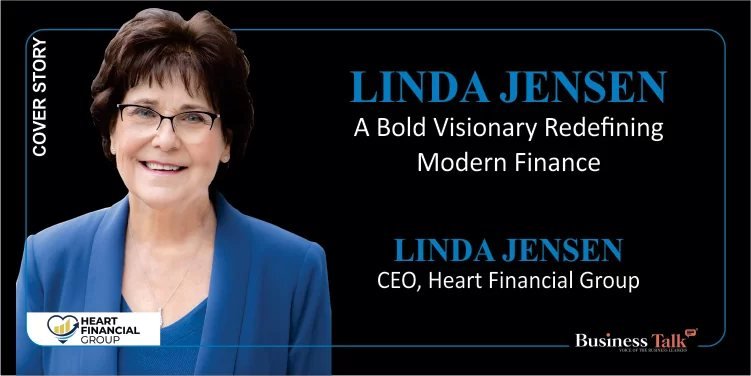
To bridge the gap between technical expertise and real-world needs, financial strategists are adopting holistic advisory models. Linda Jensen, the CEO and Principal Owner of Heart Financial Group, has established a practice centered on educating, strategizing, and partnering with clients. Operating as a tax strategist for business owners, Jensen focuses on helping clients navigate tax optimization, retirement planning, and business exit strategies.
Foundations and Career Milestones
Jensen entered the financial industry after earning her license in 1994. Her early career at Prudential Preferred allowed her to build a strong foundation in the sector. During this formative period, she earned her stockbroker's license alongside prestigious industry designations, including Chartered Life Underwriter (CLU) and Chartered Financial Consultant (ChFC).
By 1997, Jensen chose to step away from the constraints of traditional broker-dealer models, which she felt prioritized products over people. She established an independent practice grounded in objectives, flexibility, and a fiduciary mindset. Over a career spanning three decades, Jensen has completed more than 30 professional examinations and certifications, establishing Heart Financial Group as a knowledge-based practice.
Addressing Longevity and Tax Risks in Retirement
While many financial firms focus solely on investment management, Heart Financial Group incorporates tax strategy, risk management, and long-term security into its advisory services. Jensen emphasizes that tax planning is a significant responsibility for both individuals and businesses. Her firm works to identify overlooked tax-saving opportunities and develop structured strategies, such as Roth conversions, to help clients retain more of their earnings.
A key focus of Jensen's retirement planning is addressing the financial risks associated with longevity. Modern retirement plans often fail to adequately account for extended lifespans that reach into the late 90s and beyond. Additionally, unexpected long-term care costs can impact retirees. Jensen notes that when a spouse passes away, taxes often rise while household income decreases. To counter these challenges, her firm structures income strategies, manages market exposure, and safeguards portfolios against downturns during the withdrawal phase.
The Shift to Proactive Tax Planning
Jensen challenges traditional financial assumptions, particularly the long-held practice of deferring taxes through retirement vehicles like Individual Retirement Accounts (IRAs). While conventional wisdom suggested that individuals would enter lower tax brackets during retirement, Jensen observes that many retirees remain in the same or even higher tax brackets.
To address this financial strain, Jensen advocates for proactive, forward-looking tax strategies. Using advanced modeling tools, she provides clients with data-driven insights regarding the long-term impact of paying taxes now. With current tax rates remaining historically low compared to previous decades, she utilizes Roth conversion strategies, capital gains solutions, and tailored tax planning frameworks to minimize future liabilities for her clients.
Integrating Technology and Risk Management
Heart Financial Group utilizes a robust digital infrastructure to enhance security, execution, and the overall client experience. The firm employs encrypted document imaging systems and advanced customer relationship management (CRM) platforms to streamline workflows and maintain detailed records. For portfolio management, the firm leverages financial planning software to design customized proposals and access institutional investment strategies, including direct indexing and tax-loss harvesting.
This technological framework also supports the firm's risk management capabilities. Dedicated tools monitor market movements, track downturns, and assess portfolio exposure. During periods of market volatility, such as the simultaneous decline of equities and bonds in 2022, the firm relies on continuous monitoring and close client engagement to make real-time adjustments. Clients receive consistent updates, including weekly summaries, to keep them informed of their investment status.
Future Outlook and Industry Transitions
As the financial landscape continues to evolve, Jensen is preparing for major structural shifts, including the growing transfer of wealth to women. She notes that as more women assume control of financial assets, there is an increasing need for inclusive, learning-based advisory approaches. Additionally, she is focusing on the transition of baby boomer businesses, many of which risk failing to transition or sell successfully.
To address these challenges, Jensen authored the bestselling book, "What is Your Exit Strategy?", which highlights the importance of structured exit planning for business owners. Looking forward, she aims to expand her firm's impact on a national scale, focusing on mentoring the next generation of advisors and providing tax and growth strategies to underserved business owners.