
How Diversity Matters Is Bridging the Implementation Gap in Corporate Inclusion

Workplace diversity has undergone a significant evolution over the past several decades. In the mid-20th century, inclusivity in the workplace was primarily driven by civil rights legislation aimed at preventing discrimination based on race, gender, religion, and later, disability and age. Over time, organizations transitioned from basic legal compliance toward equal opportunity initiatives, affirmative action policies, and eventually broader diversity, equity, and inclusion (DEI) strategies.
By the 2000s, this scope expanded to encompass inclusion, equity, and cultural competence. Companies increasingly recognized that diverse teams foster innovation and improve decision-making, which in turn drives stronger business performance. Today, inclusion has shifted from a optional initiative to a core business imperative. To remain competitive, attract top talent, and serve diverse communities, organizations require more than surface-level policies and public statements.
The Genesis of Diversity Matters
To address these evolving needs, the consulting firm Diversity Matters was established to help companies understand and support underrepresented groups, including racial and ethnic minorities, LGBTQ+ communities, women, and people with disabilities. The organization focuses on turning diversity awareness into measurable operational impact.
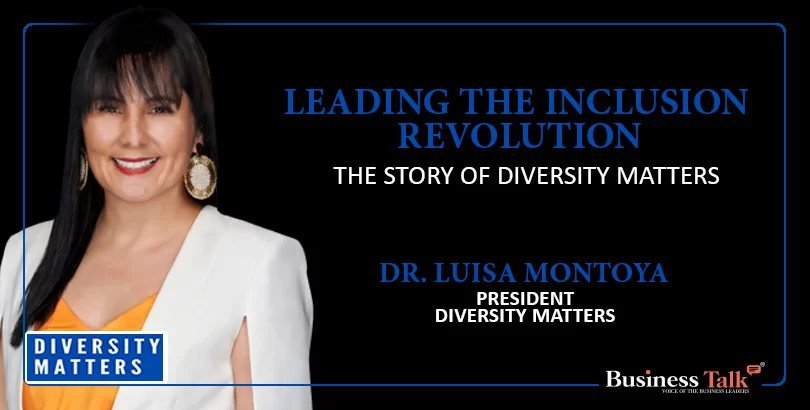
Diversity Matters was founded by its CEO, Dr. Luisa Montoya, an entrepreneur and advocate for diversity, equity, and inclusion who holds a background in the financial industry. The concept for the company emerged from her observations of how the business community approached DEI. Dr. Montoya noted that while many organizations discussed diversity, equity, and inclusion, few possessed the tools or expertise to implement these concepts in meaningful, measurable ways.
What began as an advocacy effort subsequently transitioned into a strategic consulting and solution-driven organization. Today, Diversity Matters partners with a wide range of entities, including corporations, government contractors, healthcare organizations, technology firms, and minority-owned small businesses. The firm provides tailored assessments, leadership consulting, and training designed to integrate inclusion into leadership, operations, culture, and long-term business growth.
Addressing the DEI Implementation Gap
A primary challenge in the DEI sector is the persistent gap between corporate intention and actual execution. Although many companies publicly express interest in DEI, the initiatives are frequently treated as checkbox exercises, compliance measures, or branding strategies rather than core business objectives. This approach makes it difficult to measure actual progress, and without reliable data or metrics, companies struggle to track the impact of their investments.
Diversity Matters works to address this issue by operationalizing inclusion, directly linking it to performance, innovation, employee retention, and community impact. Rather than treating inclusion as an isolated objective, the firm integrates it into core business processes to drive practical transformation. The company develops tools, frameworks, and real-world strategies designed to ensure scalable impact rooted in human experience.
Recognizing that no two businesses are identical, Diversity Matters avoids a one-size-fits-all approach. The firm combines research, technology, and strategic consulting to design solutions tailored to individual client needs, reflecting specific workplace dynamics, industry challenges, and cultural nuances.
Strategic Partnerships and Collaborative Initiatives
To ensure the efficacy of its programs, Diversity Matters subjects every initiative to ethical, cultural, and impact evaluations. The firm conducts intensive research and development, utilizing pilot programs and feedback loops with partners to refine its solutions. Dr. Montoya emphasizes that the firm prioritizes transparency, confidentiality, and long-term partnerships over short-term gains.
The company has established partnerships across multiple industries, working with organizations such as the Colorado Secretary of State MBO, Babco Services LLC, Legends Grooming Lounge, AXM Ground Up, Mildes LLC, Texas Tech Trades School, and Picolinis Animal Rescue. Additionally, the firm has participated in major DEI-focused platforms and events, including the Summit de las Américas, Workforce Solutions Seminars, and Expo 2023.
In 2026, Diversity Matters partnered with the City of Aurora to advance inclusive economic development and supplier diversity initiatives. This collaboration focused on expanding access to city contracting opportunities for small, minority-, and women-owned businesses. Through strategic advisory support, targeted engagement, and capacity-building sessions, the initiative aimed to align procurement practices with equity-centered goals while improving cross-department coordination, transparency, and outreach. Throughout the year, Diversity Matters also conducted a series of government contracting workshops to equip diverse businesses with the tools needed to compete for public-sector contracts.
Future Outlook and Technological Integration
Diversity Matters has experienced rapid growth, which Dr. Montoya attributes to the dedication of its team and a leadership approach that empowers professionals at every level of the organization. When recruiting, the firm prioritizes values such as curiosity, courage, empathy, and accountability alongside professional expertise.
Looking ahead, Diversity Matters is investing in AI-assisted analytics, inclusive design technologies, and digital learning platforms to help clients scale their inclusion efforts across borders while remaining culturally responsive. These tools are aimed at businesses seeking to future-proof their workforces, expand into global markets, and align corporate values with business strategies.
As the company operates through 2026, its focus remains on embedding long-term cultural change while proactively addressing backlash against DEI and the spread of misinformation. Dr. Montoya states that the company aims to stay ahead of these challenges by grounding its work in data, business outcomes, and value-driven leadership rather than political trends.