Duane 'Keffe D' Davis Convicted of Murder in 1996 Killing of Tupac Shakur

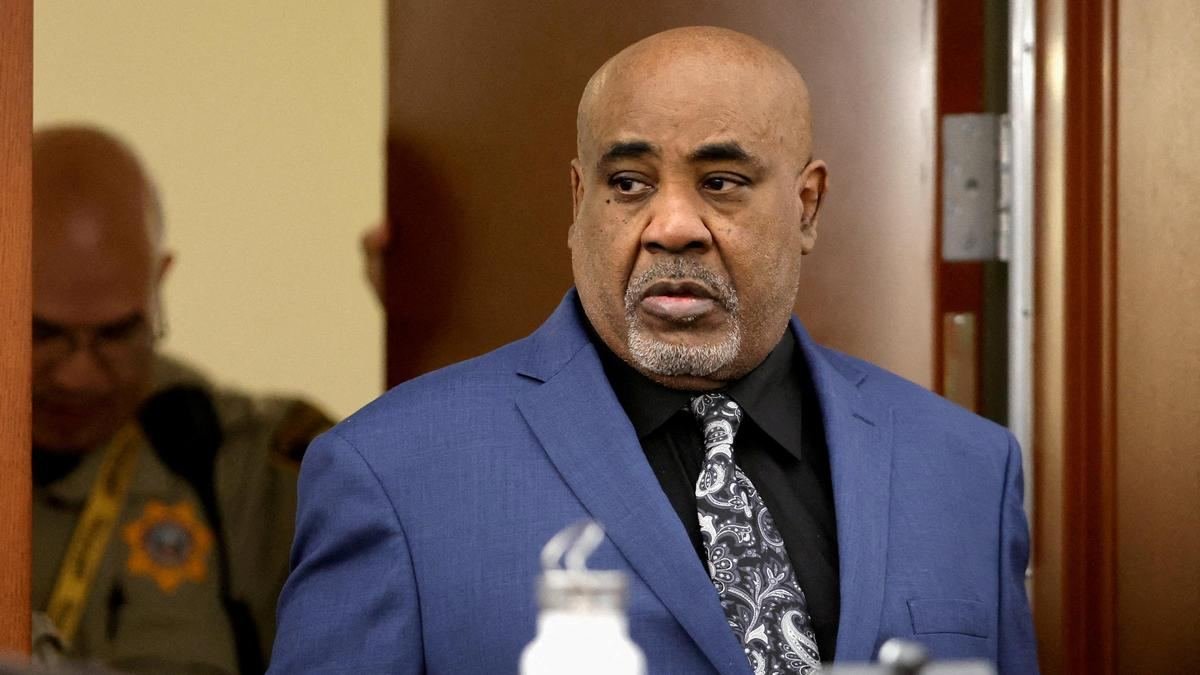
A Las Vegas jury has found Duane “Keffe D” Davis guilty of orchestrating the 1996 killing of rap icon Tupac Shakur. The verdict, delivered on Monday, August 31, 2026, brings a measure of resolution to a case that has gripped hip-hop fans and the public for nearly three decades.
The 63-year-old Davis was convicted of a single count of murder with a deadly weapon and could face life in prison. The jury deliberated for less than three hours following a weekslong trial. Upon the reading of the verdict, Shakur's sister, Sekyiwa “Set” Shakur, cried and embraced prosecutors, while Davis' son covered his face with his hand.
The Prosecution's Case
During closing arguments, Chief Deputy District Attorney Binu Palal told jurors that Davis acquired a firearm and “went hunting” for Shakur and Death Row Records co-founder Marion “Suge” Knight. The pursuit followed an altercation earlier that night in which Shakur and Knight had beaten up Davis' nephew.
Prosecutors asserted that while Davis did not personally pull the trigger, he acted as a powerful gang leader whose orders were followed by the younger men in the vehicle. The state argued that Davis repeatedly placed himself inside the white Cadillac from which the shots were fired, acting as the coordinator of the attack.
To support their case, the prosecution presented Davis' 2019 memoir, “Compton Street Legend,” and played interviews where he claimed to have handed the gun to the back seat. Prosecutor Marc DiGiacomo also pointed to a scrapbook Davis kept containing articles about Shakur, telling the jury that the defendant was “scrapbooking his murder.”
The Defence Argument
Defence attorney Michael Sanft argued that there was no physical evidence, such as phone records, linking his client to the shooting or proving he was even in Las Vegas on September 7, 1996. Sanft contended that Davis' book and public statements were dramatised bravado intended to generate income rather than report the truth.
During his closing argument, Sanft read an excerpt from his client's memoir and used the N-word aloud, causing onlookers in an overflow courtroom to recoil. Sanft also questioned whether any evidence existed to show Davis had ever called the shots before or after the 1996 shooting.
The trial featured testimony from 24 prosecution witnesses and three defence witnesses over nine days. The prosecution noted that the state would dismiss a gang enhancement charge due to witness logistics.
Gang and Record Label Rivalries
According to prosecutors, the fatal shooting was rooted in a hostile rivalry between two Los Angeles gang sects: Mob Piru and Davis' South Side Compton Crips. These street gangs were closely affiliated with rival record labels. Mob Piru was aligned with Knight's Death Row Records, while the South Side Compton Crips were linked to Sean “Diddy” Combs' Bad Boy Records.
Shakur was shot on September 7, 1996, while stopped at a red light in Las Vegas when a white Cadillac pulled alongside his vehicle. He died from his wounds six days later, while Knight survived his injuries. Davis is the only individual still alive among the four men prosecutors say were inside the Cadillac that night.
The trial also touched upon the unsolved shooting death of Bad Boy Records artist The Notorious B.I.G., which occurred six months after Shakur's death. Law enforcement witnesses testified that Davis was briefly considered a suspect in that killing before being discounted.