Demands for Chief Election Commissioner's Resignation Grow Amid Voter Roll Controversy

Demands for the resignation and impeachment of Chief Election Commissioner Gyanesh Kumar have intensified following reports of widespread irregularities in the Election Commission of India’s (ECI) ongoing Special Intensive Revision (SIR) of electoral rolls. The controversy, which has triggered political protests and public outcry, has led to accusations of systemic disenfranchisement across the country.
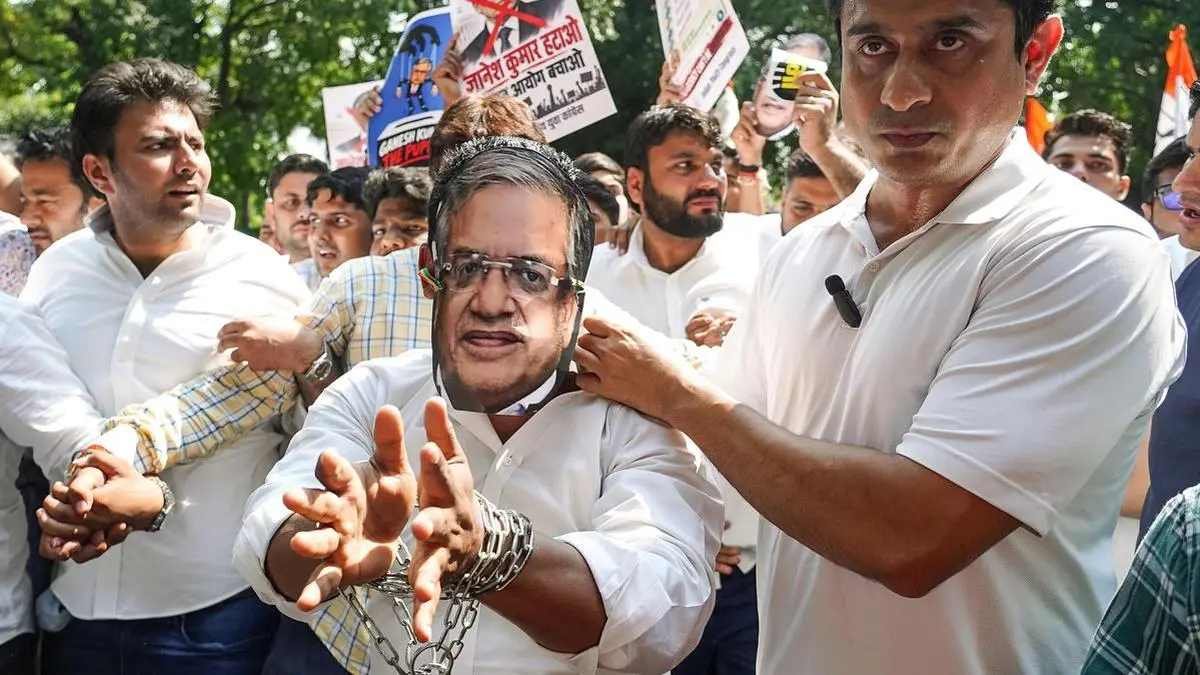
On September 25, 2026, Youth Congress protesters marched from Raisina Road to Jantar Mantar in New Delhi, demanding the commissioner's immediate resignation. Opposition leaders, including Congress leader Rahul Gandhi, have strongly criticized the commissioner, with Gandhi recently labeling him "anti-national." The Cockroach Janta Party has threatened a nationwide agitation if the commissioner does not step down within 48 hours, while West Bengal Chief Minister Mamata Banerjee and Delhi Chief Minister Arvind Kejriwal have demanded his immediate arrest.
Widespread Deletions and Elite Disenfranchisement
The Special Intensive Revision has reportedly disenfranchised over 130 million people across India over the past year. In West Bengal, the exercise resulted in the deletion of 9.1 million voters from the database, even though nearly a third of those affected challenged their exclusion without receiving a hearing. Marginally situated groups, particularly Muslims and women, faced disproportionately high rates of deletion under arbitrarily altered procedures.
The political crisis deepened when the SIR process reached Delhi, affecting approximately half of the capital's voters, who were either removed from the rolls or placed on the doubtful voters list. Those affected in Delhi include high-profile figures such as External Affairs Minister S. Jaishankar, former Vice President Jagdeep Dhankhar, former Deputy Prime Minister L.K. Advani, Foreign Secretary Vikram Misri, former Supreme Court judge Ranjana Desai, and Delhi Chief Minister Rekha Gupta.
Institutional Complicity and Opposition Response
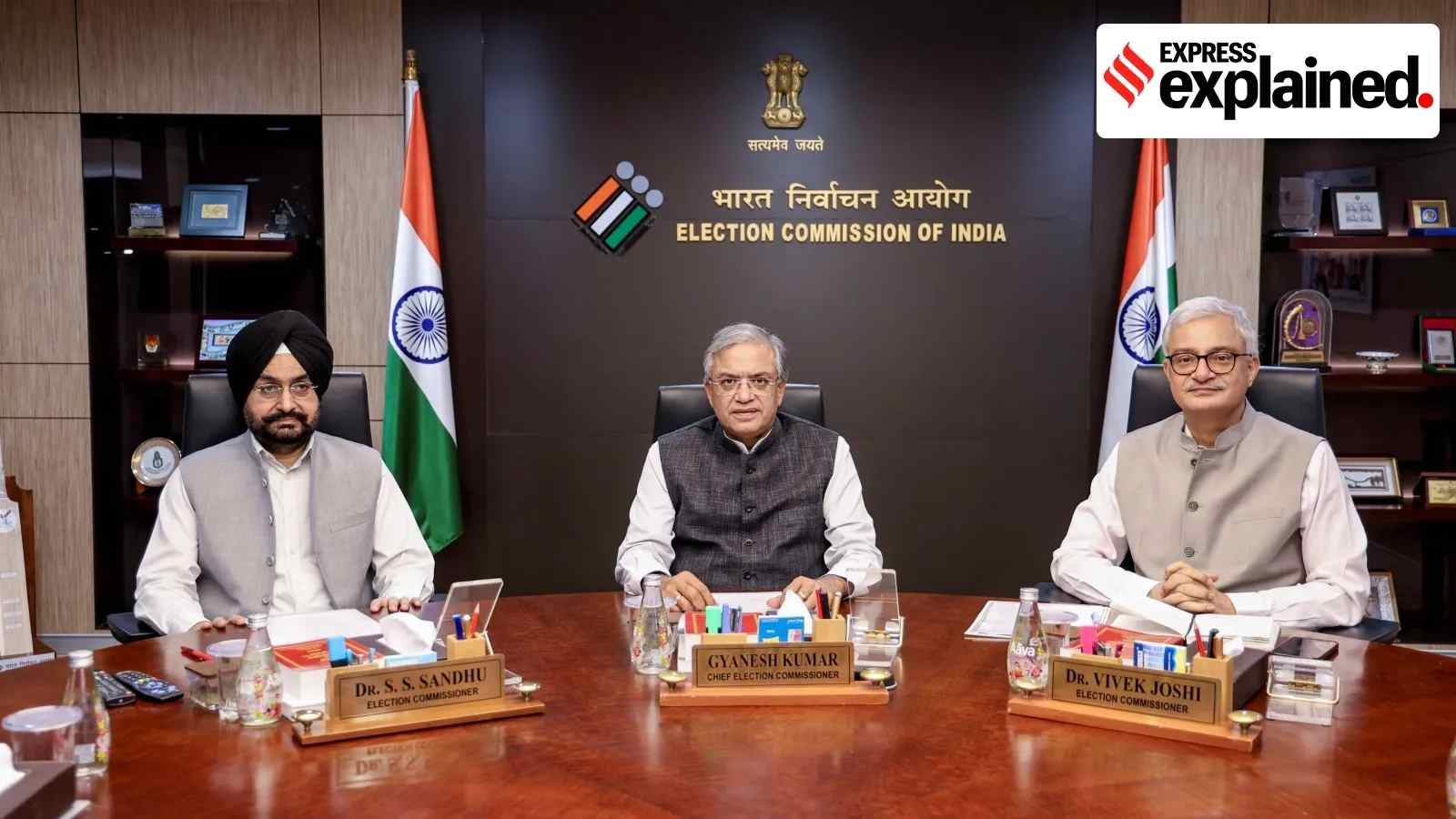
While public anger has focused heavily on Gyanesh Kumar, reports indicate that the crisis involves broader institutional dynamics. An investigation by Ritika Chopra for The Indian Express revealed that the other two Election Commissioners have acted as conscientious objectors to the commission's current directives, leaving Kumar increasingly isolated in defending the SIR process.
However, critics point out that the focus on Kumar as a single scapegoat overlooks the roles played by other political and judicial institutions. Opposition parties have been accused of failing to mount a sustained pushback. While Rahul Gandhi has repeatedly stated that the election process is being systematically rigged, his party participated in the Bihar elections after launching its "Vote Chori" campaign. Similarly, Mamata Banerjee opposed the revision process during the Bengal elections but did not initiate a broader civil disobedience movement or boycott.
The Role of the Supreme Court
The judiciary has also faced criticism for its handling of the electoral roll crisis. Over the past year, the Supreme Court of India has declined to address key constitutional challenges to the SIR, repeatedly delaying hearings on the administrative actions of the ECI.
In one ruling, the apex court excluded 3.4 million people from the voting process in West Bengal, citing a lack of time to complete their verification before the elections. Despite Mamata Banerjee appearing in person to argue against the SIR, judicial interventions have largely allowed the Election Commission to proceed with its established timeline, leaving millions without the ability to vote.