‘Dark Matter’ Season 2 Review: Joel Edgerton and Jennifer Connelly Star in Sci-Fi Multiverse Drama

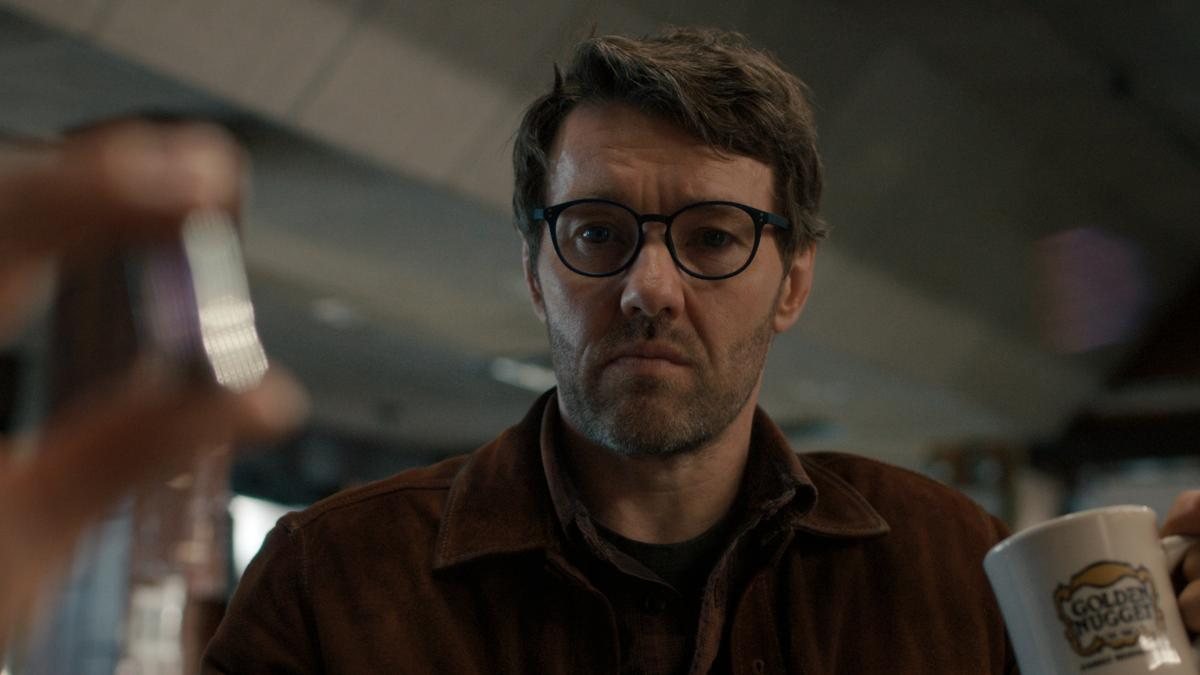
The second season of the science-fiction series Dark Matter expands its exploration of the multiverse and the consequences of interdimensional travel. Created by Blake Crouch and based on his 2016 novel, the 10-episode season features a lead cast including Joel Edgerton, Jennifer Connelly, Alice Braga, Jimmi Simpson, Dayo Okeniyi, Oakes Fegley, and Amanda Brugel. The individual episodes range in runtime from 48 to 63 minutes and are currently streaming on Apple TV+.
The foundational premise of the series centers on the concept of undoing past decisions and confronting life choices. In the initial storyline, scientist Jason Dessen, played by Joel Edgerton, has his life stolen by an alternate version of himself from a parallel universe. This displacement upends his existence alongside his wife, Daniela, portrayed by Jennifer Connelly, and their teenage son, Charlie, played by Oakes Fegley. Following a first season structured like a thriller where Jason1 attempted to navigate back to his family, the family escaped a multitude of alternate Jasons that branched off from every decision made.
The Consequences of Interdimensional Travel
In Season 2, the narrative shifts from the initial journey home to the broader aftermath of multiverse travel. As the Dessen family searches for a secure place to live, their lives and the lives of those associated with them splinter across alternate realities. The new season moves beyond the novel aspects of parallel dimensions to address the destructive repercussions of interdimensional shifts, incorporating elements of trauma and crisis.
The storyline illustrates these consequences through various planetary threats brought about by different characters. Amanda Brugel's character, Blair, accidentally releases killer hornets into one world, while a black iris plague introduced by Amanda (Alice Braga) and Ryan (Jimmi Simpson) devastates another timeline. Meanwhile, Leighton, played by Dayo Okeniyi, views multiverse navigation as a means to build an ideal society, but his introduction of genetically modified shade-growing crops ultimately triggers widespread famine.
Production Design and Standalone Narrative Episodes
Despite the proliferation of character variants across alternate dimensions, distinct sound and production choices serve as narrative markers. Organic musical arrangements and natural colors define the less technologically advanced world inhabited by Jason1, Daniela, and Charlie. In contrast, more advanced realities feature a glossy, dreamlike visual presentation. Notable visual sequences in the season include a zero-gravity environment featured in the season finale, unique lighting within a Way Station library, and Daniela’s father’s cabin.
While quantum theory acts as the underlying mechanism for the show's narrative engine, the emotional core of the series focuses on themes of regret, connection, and identity. The season features two distinct standalone episodes, titled "Love and Be Loved" and "The Basic Oneness of Everything," which alter the narrative pacing:
- "Love and Be Loved": This largely silent, literary episode incorporates references to Marcel Proust and J.R.R. Tolkien. It depicts a version of Jason contemplating suicide before entering a reality where his mother, Ellie (Linda Bove), is alive, but where he died at age 16. The interaction involving bringing a homeless alternate version of Jason home frames a narrative focus on self-care and self-forgiveness, contrasting with acts where alternate versions reject or destroy themselves.
- "The Basic Oneness of Everything": Set in a version of Chicago devastated by a dirty bomb, this episode depicts neighbors turning on one another amidst widespread mistrust. The travelling box arrives at the home of Laurel, played by Margo Martindale, a nurse and Navy veteran. Within this setting, multiverse travelers, including Leighton, interact with Laurel in a manner that prompts her to re-engage with the world around her.
Philosophical Themes and Future Arc
Philosophical commentary within the series is highlighted in the episode "The Everything Beautiful, Everything Terrible." The episode uses the historical invention of seafaring ships as a central metaphor, noting that while maritime technology enabled global travel and discovery, it simultaneously introduced colonization, slavery, and disease to the world.
Character portrayals across the alternate versions rely on subtle physical and behavioral nuances rather than dramatic external changes. Jennifer Connelly’s performance depicts Daniela recognizing early on that their original life cannot be restored. Additionally, various iterations of Chicago function as distinct environmental backgrounds throughout the series.
The Season 2 finale concludes with a cliffhanger. In a companion podcast featuring co-writer Jacquelyn Ben-Zekry, creator Blake Crouch noted that he originally envisioned Dark Matter as a three-season narrative arc.