Climate Change and Limited Funding Threaten Philippines' Historic Ifugao Rice Terraces

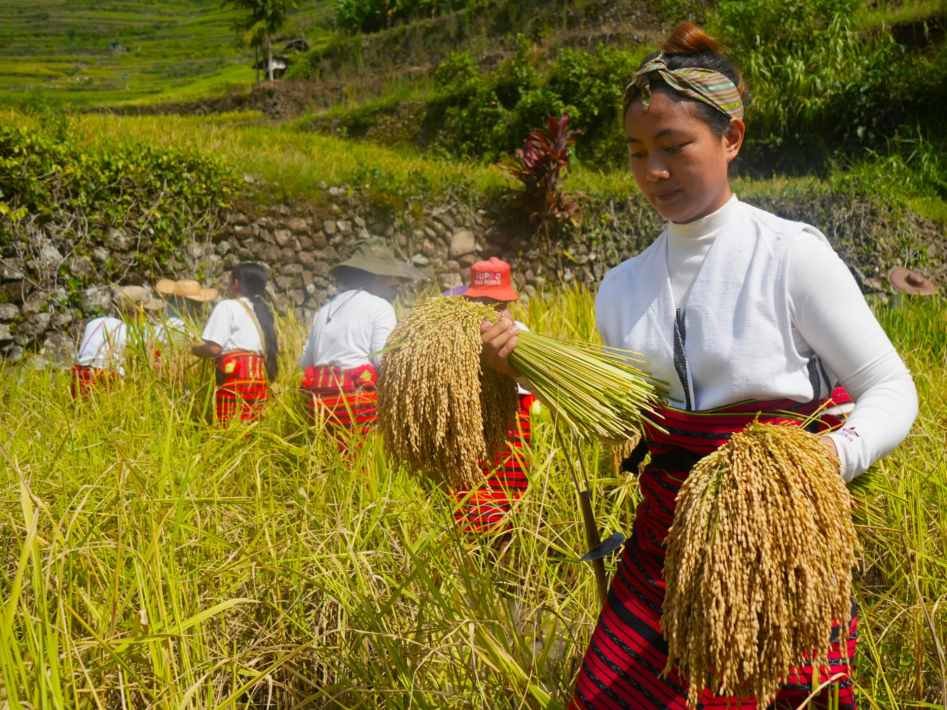
In the highland village of Batad, situated 1,100 metres above sea level, the centuries-old rice terraces of the Ifugao people face an escalating threat from extreme weather. While the community continues to practice its traditional agricultural rituals, the majestic landscape of this UNESCO World Heritage Site is increasingly marked by the scars of climate-induced disasters.
A recent landslide triggered by Super Typhoon Fung-wong in November last year killed two local residents and demolished a vital, centuries-old irrigation canal. The disaster damaged approximately 2.2 hectares (5.4 acres) of rice fields, directly affecting 150 farmers. Apu Penneng, an Ifugao elder who owns one of the village's largest tracts of ricefields, described the event as the worst the community has witnessed, pointing to a deforested patch of land left bare by the slide.
Escalating Climate Pressures
The wreckage serves as a stark reminder of the growing frequency of extreme weather events in the region. Batad has suffered from repeated landslides in 2011, 2023, and 2025. The community now faces further anxiety with the emergence of this year's Super El Nino, a climate phenomenon known to elevate global temperatures and drive highly erratic weather and rainfall patterns.
The challenges facing Batad reflect a global trend. According to an August 2025 study published in the scientific journal Nature, 80 percent of UNESCO's World Heritage Sites are currently experiencing climate-induced stress. The study highlighted that heritage sites located in low and middle-income countries receive the least conservation support, leaving them highly vulnerable to harsh climatic shifts. In tropical monsoon regions, these conditions manifest as record-breaking heatwaves, prolonged droughts, and sudden, intense rainfall.
Marlon Martin, a lawyer and head of the Save the Ifugao Terraces Movement (SITMO), explained that climate change is severely aggravating local conditions. To remain stable, the terrace soil must maintain a consistent level of moisture throughout the year. However, recent dry spells have caused deep cracks to form in the earth.
"When sudden bursts of rain occur, the water would seep into the cracks too abruptly, resulting in erosion and even soil collapse," Martin said, warning that the impending Super El Nino is likely to bring further disruption.
Funding Shortfalls and Local Recovery Efforts
The cost of restoring the damage from last November's landslide is substantial. Steve Baccay, head of Ifugao's Provincial Agriculture and Environment Office, estimated that $500,000 is required for the restoration work in Batad.
In the absence of immediate state funding, Batad residents have organised voluntary communal work, known locally as bachang, to repair the destroyed irrigation canal. While the national departments of social welfare and labour have provided emergency food and cash assistance to the affected farmers, additional aid from the national government is unlikely to be allocated until the next fiscal year.
Martin noted that while the Ifugao people have successfully adapted to environmental shifts for centuries using Indigenous engineering techniques, the increasing frequency and severity of modern weather patterns mean that national-level intervention is now essential to safeguard the site.
Preserving Cultural Identity
For Batad village chief Romeo Heppog, the terraces represent far more than a source of income; they are central to the community's identity and way of life. The annual rice harvest festival serves as a way to honour ancestors and renew what Heppog describes as a "sacred oath" to preserve the land for future generations.
Before the harvest commenced, Heppog and Apu Penneng gathered for the Tanig, a pre-harvest ritual led by Batad's chief Indigenous priest, or Mumbaki, Apu Buy-a Nadyug. The octogenarian priest recited verses beside wooden Bulul figures, which represent the spiritual beings of the Ifugao, to seek blessings and protection for the crops. Following the ritual slaughter of chickens as an offering, the priest examined the animal's entrails and declared a bountiful harvest ahead.
The ceremony concluded with the traditional banging of gongs to signal the start of the harvest, temporarily overshadowing the environmental anxieties of the community. Despite the mounting challenges, local leaders remain determined to protect their heritage. Looking out over the terraces toward Mount Amuyao, the country's 10th highest peak, Apu Penneng expressed resolve, stating, "We will get through this."