BS-III Vehicles May Need Rubber Part Replacements for E20 Fuel, Nitin Gadkari Says

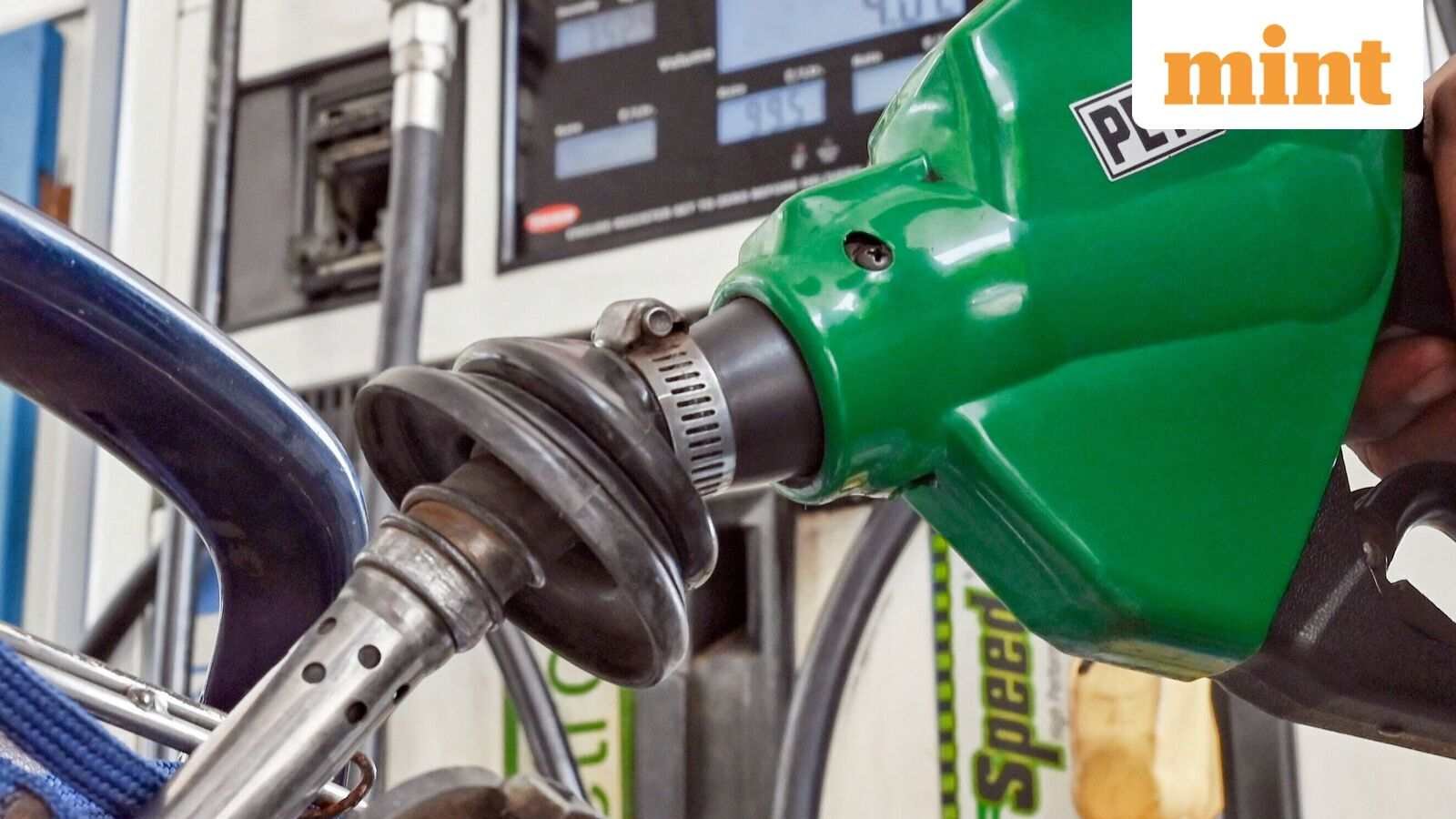
Union Road Transport and Highways Minister Nitin Gadkari has stated that certain rubber components and gaskets in BS-III vehicles may need to be replaced when operated using E20 ethanol-blended fuel. The affected vehicles include those introduced from April 1, 2005, and manufactured prior to 2016.
In a written reply to the Rajya Sabha, Gadkari explained that these specific replacements can be easily managed during the routine servicing regime of the vehicles. The minister's statement comes amid ongoing discussions and growing opposition regarding the nationwide rollout of E20 fuel and its compatibility with older vehicle models.
Joint Study Finds No Major Engine Performance Issues
To evaluate the impact of E20 fuel on two-wheelers and four-wheelers, a joint study was conducted by the Indian Oil Corporation Limited (IOCL), the Indian Institute of Petroleum (IIP) Dehradun, the Society of Indian Automobile Manufacturers (SIAM), and the Automotive Research Association of India (ARAI).
According to Gadkari, the findings of these studies indicated that there is no requirement to modify the engines of cars or two-wheelers. The research confirmed that legacy vehicles did not exhibit any significant variations in performance or show abnormal wear-and-tear when run on E20 fuel.
Furthermore, the minister noted that no issues were reported during testing across parameters such as drivability, startability, metal compatibility, and plastic compatibility. Addressing concerns regarding vehicle mileage, Gadkari stated that automobile manufacturers and testing agencies have clarified that mileage is influenced by a variety of factors beyond the type of fuel used.
Growing Concerns and Opposition Over E20 Rollout
Despite the government's assurances, the rollout of E20 petrol has faced criticism from various quarters. Critics have raised questions about whether all legacy vehicles are fully compatible with the ethanol blend, pointing to potential risks of reduced fuel efficiency and increased maintenance costs. Questions have also been raised regarding liability if engine or fuel-system issues occur.
The central government has maintained that the transition to E20 has been phased and is supported by extensive testing. Meanwhile, automobile manufacturers have stated that they continue to honour warranty claims for vehicles operating on E20 fuel. However, opposition parties continue to demand greater transparency regarding consumer safeguards and vehicle compatibility.
Kejriwal Alleges Pressure on Automobile Manufacturers
Aam Aadmi Party (AAP) national convener Arvind Kejriwal has challenged the government's stance, alleging that automobile manufacturers are being pressured by the Centre to downplay the risks associated with E20 compatibility in pre-2023 vehicles.
Speaking at a press conference, Kejriwal stated that he had written to 29 automobile manufacturers to clarify whether E20 fuel is safe for petrol vehicles manufactured before 2023. He also questioned whether these companies would cover repair costs or compensate consumers for any reduction in mileage caused by the fuel blend.
Kejriwal claimed that while none of the manufacturers provided a written response, officials from nine companies informed him over the phone that E20 fuel could adversely affect engines, fuel systems, and mileage. He alleged that these companies are avoiding written commitments to protect themselves from potential compensation claims by affected vehicle owners.
According to Kejriwal, nearly 30 crore vehicles manufactured before 2023—including 22 crore two-wheelers and 8 crore four-wheelers—could potentially be affected by the fuel transition. He also claimed that ethanol is more expensive than petrol, offers lower mileage due to its lower calorific value, and does not provide benefits to farmers.