Bhumi Pednekar, Huma Qureshi and Film Personalities Back Delhi CJP Protest, Condemn Use of Force
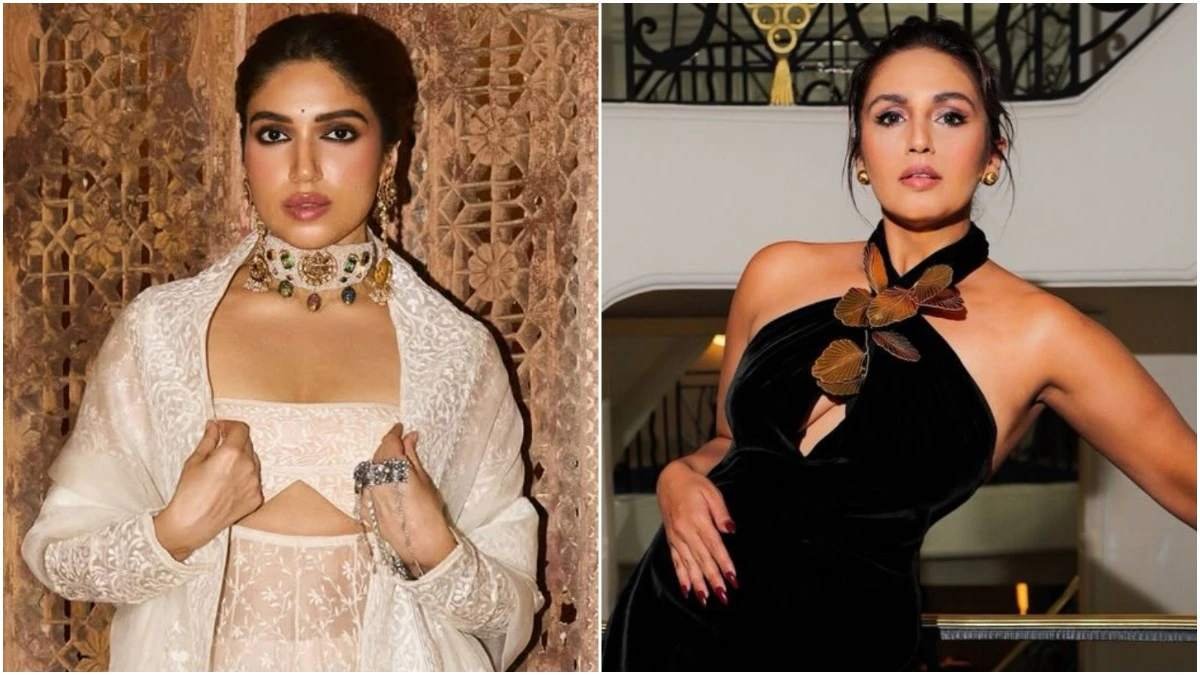
Several prominent actors and filmmakers have voiced their support for peaceful demonstrators following the Cockroach Janata Party's (CJP) 'Sansad Chalo' protest in Delhi on Monday. Members of the film fraternity, including Bhumi Pednekar, Huma Qureshi, Nandita Das, and screenwriter Sutapa Sikdar, condemned the use of force against marchers and called for dialogue, accountability, and systemic reforms in the education sector.
The protest, which took place on the opening day of Parliament's Monsoon Session, was organized to demand education reforms and seek the resignation of Union Education Minister Dharmendra Pradhan over alleged irregularities in the NEET examination. Clashes broke out between protesters and security forces as the march moved toward Parliament.
Film Fraternity Calls for Dialogue and Reform
In a detailed post shared on Instagram, actor Bhumi Pednekar stated that violence could not be the answer to the issues raised by the students. She urged that the focus remain on the students affected by gaps in the education system, noting that democracies are built on dialogue and that the country owes it to its youth to ensure the movement does not turn violent or lose its purpose.
Pednekar highlighted several issues requiring urgent reform, including paper leaks, examination failures, unequal access, teacher shortages, and the immense pressure faced by students. While acknowledging recent progress in the education sector, such as an increase in universities and seats, she emphasized that students whose futures have been put at risk deserve answers. "While I may not agree with everything that has been said at the protest, I strongly believe that meaningful dialogue is where reform begins," she wrote.
Demands for Accountability and Dignity
Actor Huma Qureshi expressed deep sadness over the visuals of the protest, stating they would stay with her "for a very long time." She questioned the use of "brute force and lathis" against peaceful protesters, suggesting the situation should have been handled with more patience, listening, and dialogue.
Qureshi emphasized the need for government accountability, noting that citizens have elected the government and have the right to ask questions. She added that in a large and diverse country like India, citizens deserve to be heard with dignity before force is used as a response, even if there is disagreement on specific issues.
Highlighting Student Struggles and Key Demands
Screenwriter Sutapa Sikdar focused on the modest backgrounds of the participating students, writing that many arrived "with 20 rupees in their pocket" and "full of hope" to seek accountability. She noted that these protesters were not the children of rich or influential individuals, pointing out that "not a single child of any minister was there." Sikdar described the events as heartbreaking and "unforgivable," referencing the daily struggles students face waiting for buses, admissions, and exam leaks.
Actor and filmmaker Nandita Das also expressed solidarity, stating that constructive dissent keeps a democracy alive. She wrote that democracy is strengthened when people can gather, speak, listen, and be heard, adding that she stood "in spirit with all those marching peacefully in Delhi."
Alongside the protest, a CJP delegation met with Health Minister JP Nadda on Monday. The delegation submitted a memorandum outlining three key demands: the release of activist Sonam Wangchuk from the hospital, the removal of Education Minister Dharmendra Pradhan, and Rs 1 crore in compensation for the families of NEET aspirants who allegedly died by suicide following the NEET paper leak.