Arundhati Roy Reflects on NEET Protests and the Challenge to Political Imagery

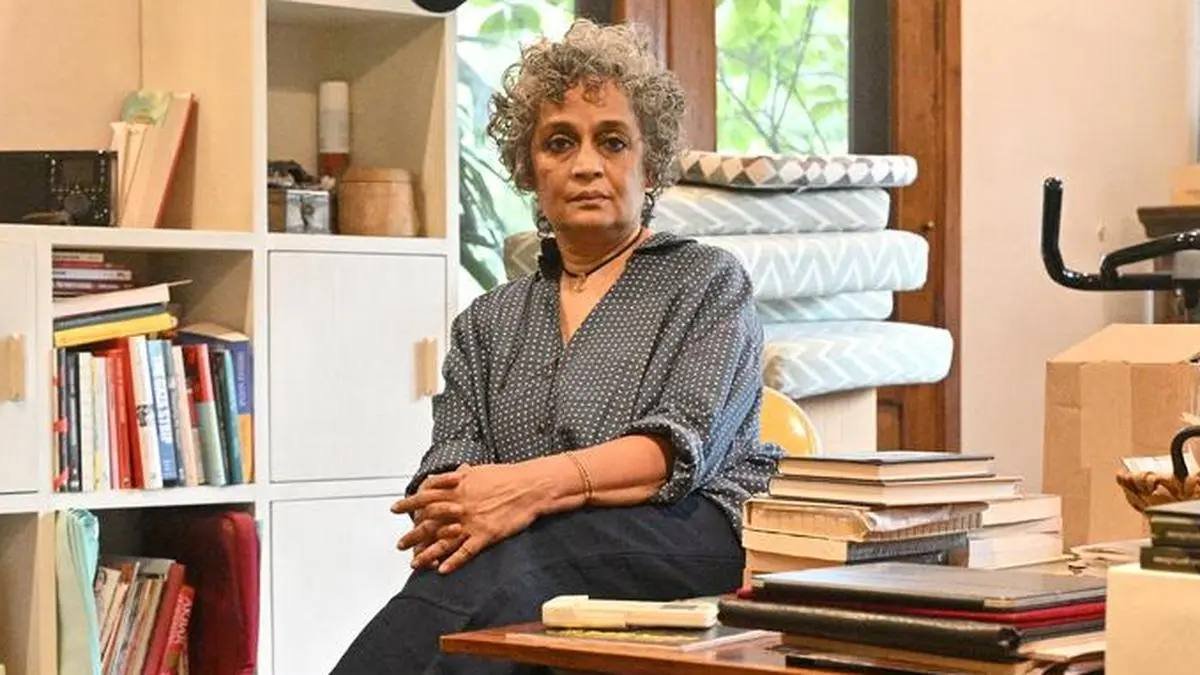
The nationwide student protests over recurring exam paper leaks and the subsequent resignation of former Education Minister Dharmendra Pradhan have emerged as a major political development. In an interview, writer and activist Arundhati Roy shared her observations on how these protests mobilized a new generation of youth, the role of social media in the movement, and the broader implications for Indian politics and foreign policy.
Roy noted that the protests at Jantar Mantar and other parts of the country have initiated an ongoing churning. She highlighted that the protesters' demands, including the withdrawal of FIRs and an end to harassment, remain unmet. Significant public anger persists regarding the detention of individuals like Mohammad Junaid, alongside disputes over the alleged use of an AK-47 in Bihar and injuries caused by pellet guns during the demonstrations.
Challenging the Public Image
According to Roy, a key outcome of the protests was how young participants dismantled the carefully constructed public image of Prime Minister Narendra Modi. She observed that the youth utilized satire, memes, and Instagram reels to mock the leadership, creating a shift in public perception that is difficult for the administration to reverse.
Roy contrasted the treatment of these student protesters with other groups, stating that the police action and legal cases they faced, while severe, differed from the harsher crackdowns historically experienced by Muslim, Sikh, Dalit, poor, or working-class demonstrators. She cited the cases of Umar Khalid, Sharjeel Imam, and Maruti workers in Noida as examples of more severe state responses.
Erosion of Democratic Systems
The activist argued that the exam paper leaks represent only the tip of a larger systemic crisis. She expressed concern that democratic institutions have been hollowed out, pointing to issues with the Election Commission, Electronic Voting Machines (EVMs), electoral rolls, and the remapping of constituencies. This institutional decline, combined with a lack of employment prospects for educated youth, has fueled widespread frustration.
Roy also commented on the government's attempts to police the language used by young protesters, particularly a young woman from Noida. She asserted that the younger generation remains indifferent to such criticism, finding creative expression through posters, drawings, songs, and stand-up comedy during the demonstrations.
Solidarity and the Role of the Opposition
The protests demonstrated a high level of maturity and unity among diverse student groups, according to Roy. Protesters from various political orientations, including the Left, publicly defended the role of figures like Sonam Wangchuk despite internal differences. Roy suggested that mainstream opposition parties should learn from this solidarity and work together more cohesively rather than focusing on individual party interests.
Addressing the state of the Indian media, Roy criticized mainstream television channels for their ownership structures and enthusiastic support of the current regime. She noted that many young people no longer watch traditional TV news, turning instead to independent journalists and creators on YouTube who continue to report despite financial and systemic constraints.
Foreign Policy and Global Alignments
Roy also critiqued India's current foreign policy, describing it as subservient to Western imperialism and lacking the independent dignity of the country's historical non-aligned stance. She pointed to reports of India supplying weapons to Israel during the conflict in Gaza as a departure from moral leadership, noting a lack of large-scale domestic protests on international issues like Palestine or Iran compared to other nations.
Reflecting on global dynamics, Roy discussed the consistency of United States foreign policy in the Middle East and praised Iran's recent responses to external aggression as an assertion of national sovereignty. She concluded that India's current geopolitical positioning fails to protect its own long-term interests or maintain a dignified presence on the world stage.