Analyzing the Political Potential of the Cockroach Janata Party Youth Movement

The recent youth-led movement initiated by the Cockroach Janata Party (CJP) has sparked widespread discussion regarding its future trajectory. While some observers measure the success of such movements by their ability to transition into formal political parties, others argue that the CJP's impact is already visible. The movement successfully mobilized young students and forced the resignation of former Education Minister Dharmendra Pradhan, boosting the confidence of young citizens in non-political platforms.
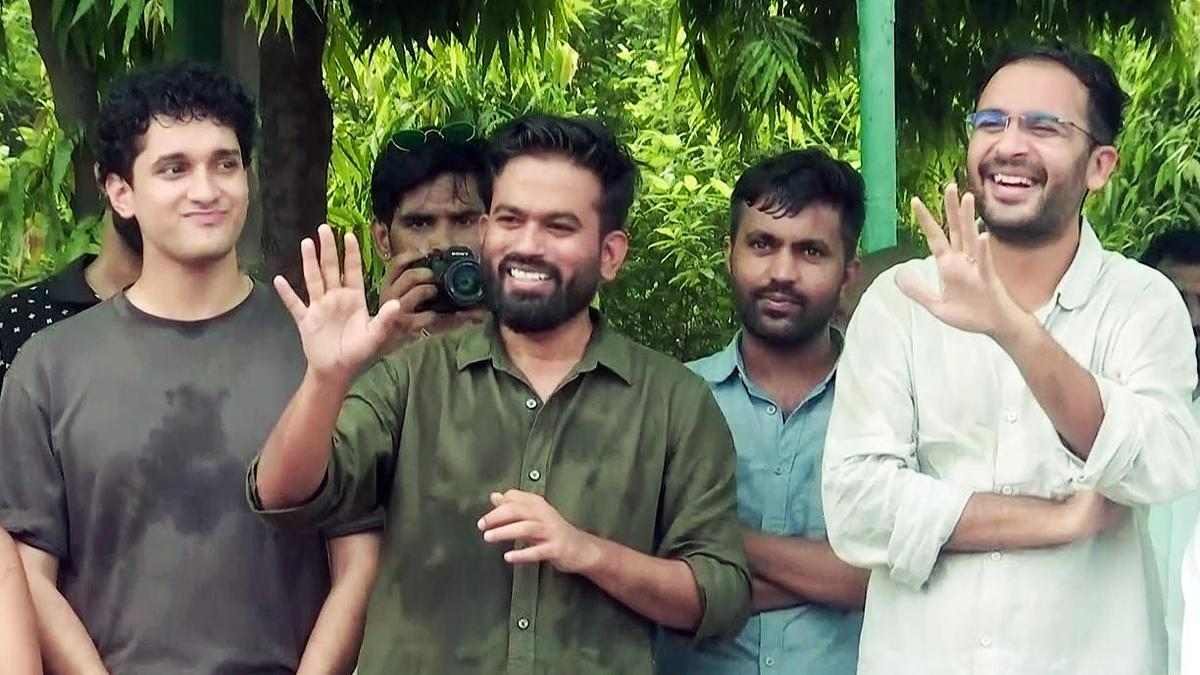
The debate over the CJP's future comes in the wake of a media interaction in New Delhi on August 12, 2026, featuring CJP founder Abhijeet Dipke, chief spokesperson Saurav Das, and national spokesperson Ashutosh Ranka. According to election analyst and professor Sanjay Kumar, the success of the CJP movement should be evaluated by the enthusiastic participation of students rather than its potential as an electoral entity. The movement has demonstrated to young people that they can make the government hear their voices through sustained, collective action.
Historical Precedents of Movement-to-Party Transitions
India's political history offers several examples of protest movements transforming into successful political parties. The 1979 student agitation in Assam, led by the All Assam Students Union, eventually transitioned into the Asom Gana Parishad (AGP), which formed the state government in 1985. Similarly, the India Against Corruption movement led to the creation of the Aam Aadmi Party (AAP) in 2013.
The AAP achieved significant electoral success, particularly among young voters. In the 2015 Delhi Assembly elections, the party won 67 out of 70 seats with a 54.3% vote share, securing 63% of the vote among the 18-22 age demographic. In 2020, AAP retained power in Delhi with 62 seats and a 53.5% vote share, drawing 60% of the youth vote. The party subsequently expanded its footprint by forming the government in Punjab in 2022.
Youth Support and Electoral Dynamics
If the CJP decides to transition into a political party, historical trends suggest it would likely attract a significant share of young voters. A recent example of this dynamic is the Tamilaga Vettri Kazhagam (TVK), led by actor-turned-politician C. Joseph Vijay. In the 2026 Tamil Nadu elections, the newly formed TVK secured power by replacing the established Dravida Munnetra Kazhagam (DMK) and All India Anna Dravida Munnetra Kazhagam (AIADMK).
While the TVK secured an overall vote share of 34.9%, its support among voters aged 18 to 22 was nearly 70%. Nationally, the Bharatiya Janata Party (BJP) currently maintains an advantage among young voters, with its vote share being 4% higher in the 18-22 age group. Consequently, the emergence of the CJP as a political party could impact the BJP more than other established political entities.
The Limits of Political Transitions
Not all social movements succeed when transitioning to electoral politics. The movement for the creation of Uttarakhand led to the formation of the Uttarakhand Kranti Dal (UKD). However, in the state's first assembly elections in 2002, the UKD secured only 5.4% of the vote and won just four seats. Many similar groups demanding statehood or representing specific protest causes have failed to establish themselves as viable political parties.
Conversely, some of India's most influential youth-led movements achieved major political shifts without forming parties. The Jayaprakash Narayan-led anti-emergency movement in 1977 unseated the Indira Gandhi government, and the 2011 anti-corruption movement led by Anna Hazare contributed to the defeat of the Congress-led coalition in 2014. According to Kumar, the CJP movement has already achieved notable milestones by remaining largely leaderless and proving that issues can take precedence over individual leaders or political backing.