Analyzing Squash Shot Selection: Why Professional Players Favor the Backhand

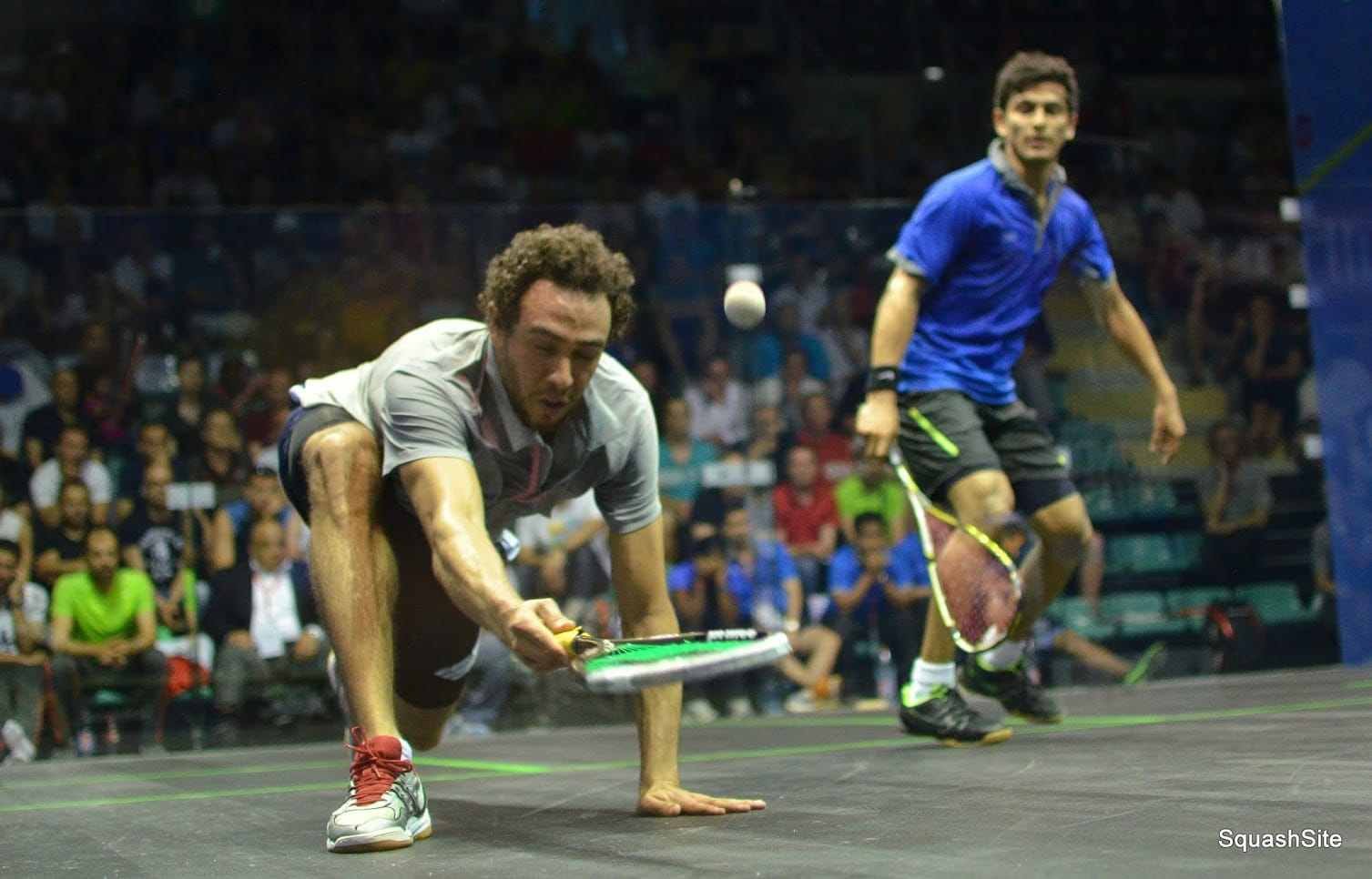
In professional squash, shot selection and execution distinguish elite players from amateurs. While amateur players frequently attempt risky attacking shots, professional players prioritize control and defensive positioning. At the core of this strategic approach is the drive, or length shot, which involves hitting the ball parallel and deep along a side wall. Drives serve as the fundamental backbone of rallies, allowing players to control court positioning and systematically pressure their opponents into returning weak shots.
The Dominance of the Drive and Backhand in Professional Play
Statistical analyses of professional squash matches highlight the overwhelming reliance on specific shots to maintain tactical dominance. The straight drive is consistently the most frequent shot executed by professionals. In one match sample analysis, straight drives accounted for approximately 41.76% of all shots played.
Furthermore, data reveals a significant imbalance between backhand and forehand usage. Both male and female professional players tend to engage the backhand side far more frequently than the forehand, often at a ratio of nearly 2 to 1. This preference is reflected in historical and individual match statistics:
- During the 2003 Men’s World Team Championships, an analysis showed that 37.2% of all shots were played deep to the backhand side, compared to just 17.3% directed deep to the forehand.
- In a specific match analysis of elite player Ali Farag, he directed 62.21% of his shots to the backhand side.
- In the same analysis, Mohamed ElShorbagy directed an exceptional 67.18% of his shots specifically to Farag's backhand.
The Biomechanics of the Backhand and the 'Backhand Diamond'
Despite its frequent use in professional matches, players almost universally agree that the backhand is the more difficult stroke to master. The shot requires high precision and involves awkward biomechanics that feel less natural than the forehand, demanding dedicated practice to perfect.
Coaches emphasize that a consistent backhand does not rely on arm strength alone, but rather on a full-body kinetic chain. To achieve the proper setup for power and control, players use a coaching concept known as the "Backhand Diamond." This physical framework consists of four key points:
- Top point: Positioned above the wrist.
- Side point (power): Turned toward the back wall to load power.
- Side point (grip): Maintained as firm but flexible using a Continental grip.
- Lowest point: Positioned to create leverage for the swing.
Improving the backhand is structured as a systematic process. Players are advised to master each component sequentially, starting with the foundation of the grip and progressing to the fluidity of the follow-through.
Common Amateur Errors in Backhand Execution
Amateur players frequently struggle with the backhand due to technical inconsistencies. Coaching analyses identify three primary faults that hinder amateur performance:
First, insufficient shoulder rotation is the most common error. This limitation prevents a fluid, powerful swing, resulting instead in a weak "poking" motion that causes a loss of both power and consistency.
Second, poor footwork and positioning often leave players standing too close to the ball or in an improper stance. This restricts the natural path of the swing and prevents proper weight transfer, leading to inaccurate shots.
Finally, an incorrect grip or wrist action—such as holding the racquet too tightly or having a "floppy" wrist—directly reduces control. This technical flaw is particularly damaging when players attempt delicate, high-precision shots such as drops or boasts.