Amritsar Prepares for 450th Anniversary as Historians Reflect on Its Resilient Heritage

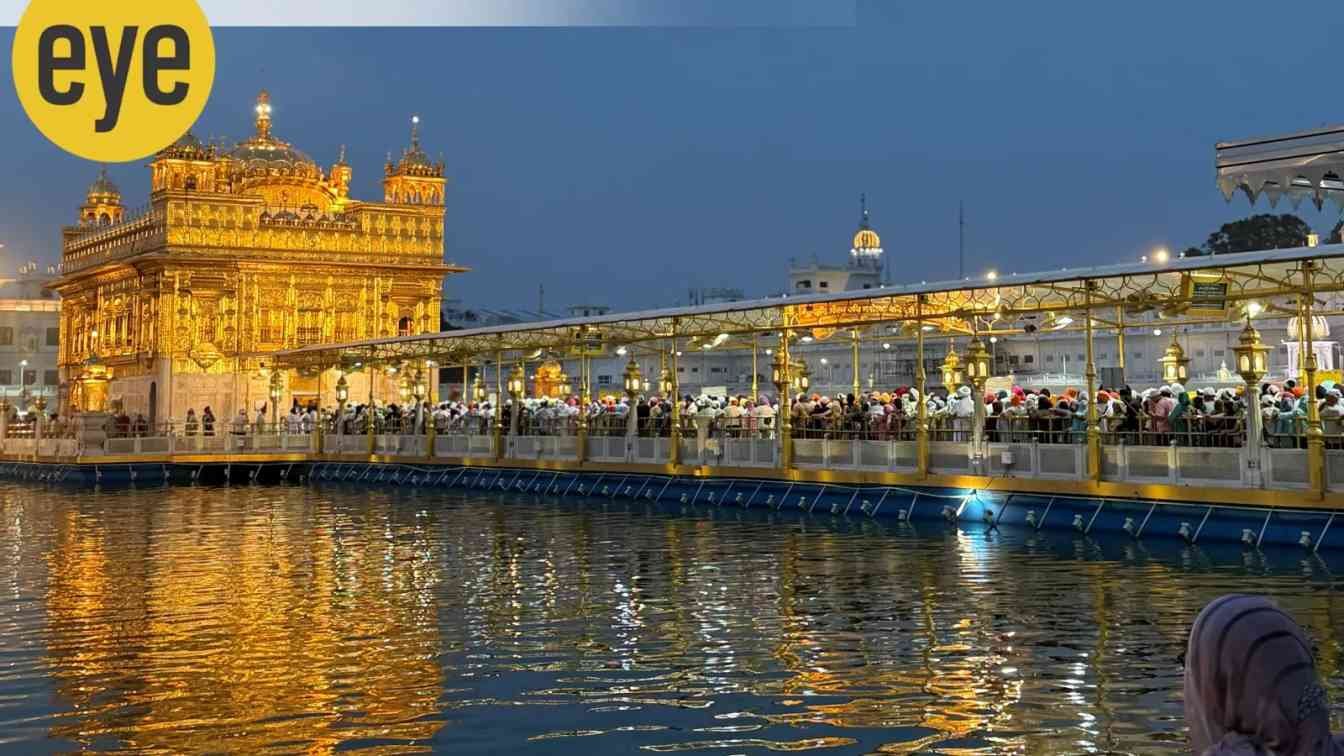
The historic walled city of Amritsar is preparing to mark its 450th anniversary next year, with celebrations already underway. Founded in 1577 by Guru Ram Das, the fourth Sikh Guru, the city was originally known as Chakk Ram Das or Ramdaspura. Named after the amrit sarovar (the holy pond), Amritsar stands out as one of the few Indian cities established not for conquest, commerce, or colonial ambition, but on the foundational ideals of equality, community, and service.
According to Tarundeep Singh Ghuman, a local storyteller and city history expert, Amritsar was envisioned as a sanctuary welcoming to all, regardless of gender, faith, or caste. Over the centuries, the city evolved into a major commercial hub, an area of royal interest, and a site of profound historical significance during the 19th century as the summer capital of Maharaja Ranjit Singh. It has also survived severe disruptions, including an 18th-century Afghan invasion and the partition of the Indian subcontinent.
A History of Destruction and Rebuilding
Amritsar’s survival through multiple historical crises has earned it a reputation for permanence. Manjit Singh, a retired professor of planning and architecture from the Guru Ramdas School of Planning at Guru Nanak Dev University, noted that the city was repeatedly rebuilt after enduring invasions and tragedies across different eras. These include conflicts with Shah Jahan during the Mughal era, the Jallianwala Bagh massacre led by Reginald Dyer during British colonial rule, and the violence of Partition.
"While most cities naturally grow, decline and die like living organisms, certain cities endure permanently due to their profound contributions to human thought," Singh said. "Despite being destroyed multiple times, Amritsar has earned its status as an immortal city."
This history of rebuilding is visible in the city's physical layout. Archival photographs, such as those preserved in the nearby Partition Museum, show that residential homes once opened directly onto the edge of the pond surrounding the Golden Temple (Harmandir Sahib). The spatial design was intended to keep the gurdwara accessible to pilgrims and residents alike during times of both joy and sorrow.
Traces of Partition and Urban Evolution
The impact of Partition remains etched into the urban fabric of the city. Heritage conservationist and architect Gurmeet Sangha Rai explained that Amritsar and Lahore function as twin cities, separated by a border established in 1947. The physical scars of the Partition riots, during which large areas of the walled city were burned and demolished, are still identifiable through the newer redevelopments that replaced them.
Rai pointed out that while the vertical dimensions of the city have changed, the historic footprint remains visible in its meandering roads. "If you see the meandering roads, you know that in most of our historic cities, the plan or footprint is still historic," Rai said, warning that bulldozing buildings to create large plazas can lead to a loss of the historic cityscape.
Modern development has brought high-rise five-star hotels, flyovers, and glass-fronted office buildings to Amritsar. Efforts to modernise the area surrounding the Golden Temple led to the creation of the 'Heritage Street' in October 2016 by the Punjab government, which introduced organised shops, improved cleanliness, and a multi-level parking facility.
Preserving Intangible Heritage
While physical structures undergo change, local experts emphasise that the true identity of Amritsar lies in its living traditions. The city’s daily life continues to revolve around the Golden Temple, where the langar (community kitchen) operates continuously, supported by volunteers performing seva (selfless service) regardless of social division.
Ghuman argued that government-led conservation efforts alone are insufficient to protect the city's identity. "A city’s true heritage lies in its stories, crafts, languages, music, food, relationships and festivals," Ghuman said, noting that intangible elements like gurbani kirtan, traditional crafts, and local culinary practices give the city its meaning.
To support the preservation of these cultural elements, socio-cultural festivals such as Agla Varka and Sacred Amritsar have been established. These initiatives aim to provide a platform for the revival of the city's literary history, music, and traditional crafts, ensuring that its foundational values remain active as the city approaches its 450-year milestone.