Afghan Women Describe Drastic Loss of Rights Five Years After Taliban Takeover

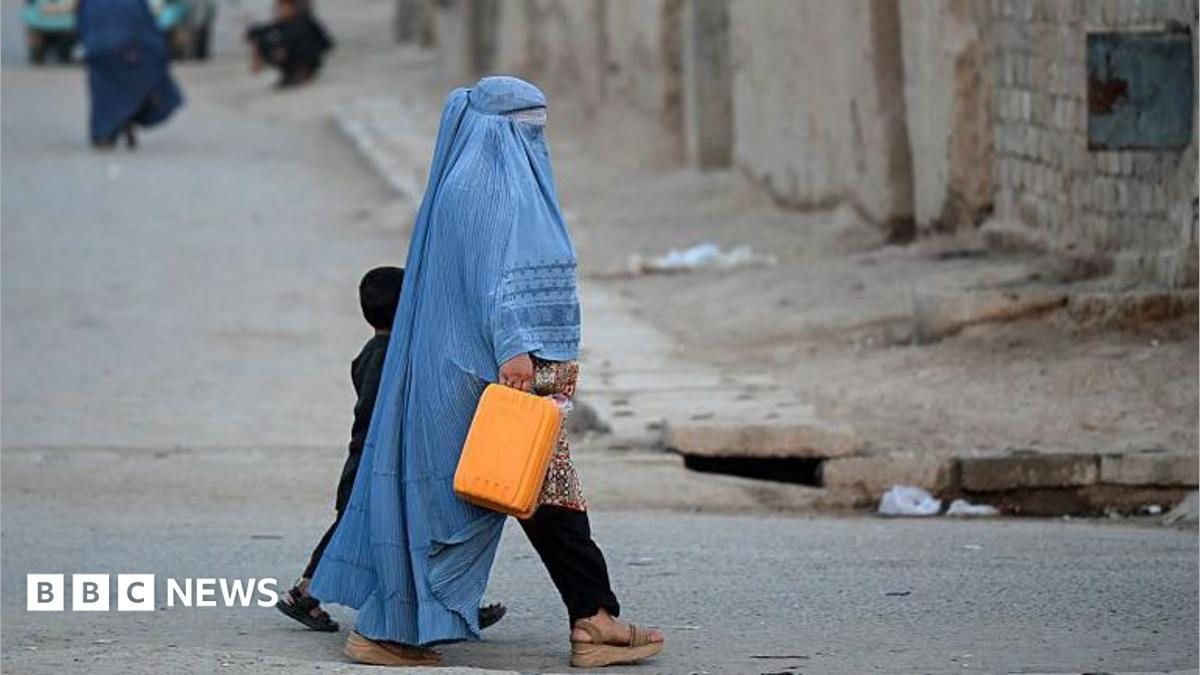
Five years after the Taliban regained control of Afghanistan, women and girls across the country report that their lives have become unrecognisable. Since taking power in 2021—two decades after being ousted by a US-led military coalition—the hard-line Islamist group has systematically eroded the rights of the nation's 22 million women.
According to accounts gathered by the BBC, which has maintained access to the country, women from Kabul to rural provinces face severe restrictions. The Taliban administration has barred girls over the age of 12 from attending school, restricted women from travelling without a male chaperone, and introduced legislation that implies legal approval for child marriage. Many women spoke under pseudonyms to protect themselves from potential reprisals.
Restrictions on Education and Official Responses
Afghanistan is currently the only country in the world where girls are officially banned from receiving secondary and higher education. For many young women, the restriction has shattered long-held career aspirations. Shakiba, an Afghan student who managed to complete her secondary education online, shared that her dream of becoming a pilot now feels impossible. She described the day the government fell as the most painful day of her life, marking the loss of her future plans.
When questioned about these educational barriers, the Taliban's Foreign Minister, Amir Khan Muttaqi, disputed the extent of the restrictions. Confronted with a Unicef report stating that approximately 2.6 million Afghan girls are barred from school past Grade 6, Muttaqi claimed that three million girls are currently attending schools and madrassas, which are religious centres focused on Islamic teachings. When asked how religious schools could train future medical professionals, Muttaqi asserted that women are not entirely restricted from all walks of life, describing the limitations as "one small part" of their affairs restricted "until further notice."
Impact on Employment and Public Life
Data from the United Nations indicates that only 7% of women in Afghanistan are currently employed, following sweeping bans from various workplaces and fields of study. Among those affected is Zuhal, a former television news anchor who was forced out of her profession. She described her work as a core part of her identity and expressed the daily hardship of being confined to her home.
In contrast to these figures, Foreign Minister Muttaqi claimed that the number of female entrepreneurs in Afghanistan has grown. He stated that the number of women in business rose from up to 30,000 in 2020 and 2021 to 120,000. Muttaqi maintained that women continue to work as teachers, civil servants, and entrepreneurs, arguing that there is no total ban on female engagement.
Public Corporal Punishment and Detention
The Taliban has resumed the public implementation of corporal punishment. Official records indicate that hundreds of individuals have been flogged since 2021, though observers believe the actual figure is higher. Shaima, an Afghan woman, told the BBC she was whipped 50 times in front of an all-male crowd of approximately 200 people, including children. She was forced to sign a confession declaring herself an apostate collaborating with infidels. Shaima stated that the experience has left her family deeply traumatised.
Another woman, Manizha, reported being publicly lashed 39 times and subsequently imprisoned after attempting to marry a male friend. She described experiencing severe abuse while in detention, which left her feeling unable to continue living and facing social ostracisation from her community upon her release.
Healthcare Crisis and Maternal Mortality
Afghanistan continues to record one of the highest maternal mortality rates globally. This crisis is exacerbated by regulations that restrict women from receiving medical treatment from male doctors, leaving many unable to access essential healthcare services.
Marzia, a midwife working in a remote district, recounted the death of a 45-year-old mother of six who had travelled to her clinic. While the medical team saved the newborn baby, Marzia highlighted the emotional toll and the uncertain future facing the surviving children. Maryam, an expectant mother, expressed deep concern for her unborn daughter's future, questioning whether there would be any female doctors available to assist her child in the future if educational bans persist.
Resilience and Hopes for the Future
Despite the severe limitations, some Afghan women continue to seek pathways toward independence. Noori, a 24-year-old whose law and political science studies were cut short by the takeover, established a jam-making company. After working there for three years, she now employs 10 women, aiming to help them achieve financial independence.
Additionally, 13-year-old Asma expressed her determination to eventually become a doctor, urging patience and hope. Ela, a dental assistant from Kabul, called on the international community to maintain its focus on the plight of Afghan women, urging global solidarity and support for their right to work and receive an education.