A Tale of Two Hunger Strikes: Contrasting Optics in Recent Student Agitations
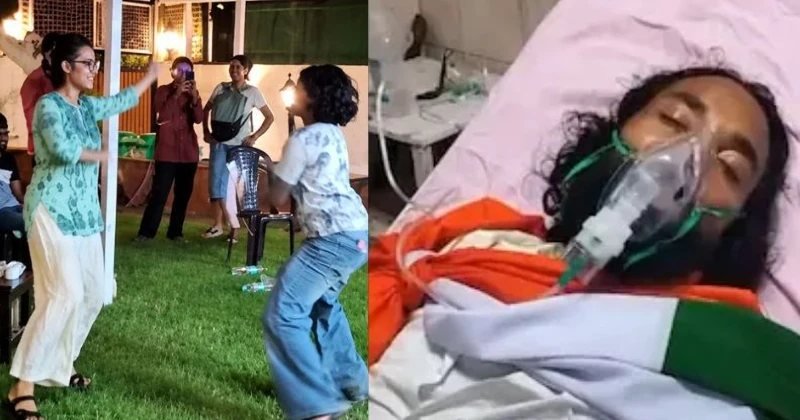
Recent student agitations in India have highlighted contrasting approaches and visual narratives within student activism. The hunger strikes undertaken by Neha Bora, national president of the All India Students' Association (AISA), in Delhi, and student leader Devendra Nath Mahto in Jharkhand, have drawn public attention to the differing physical tolls, outcomes, and political optics of these movements.
Neha Bora’s 23-Day Fast and Post-Protest Celebration
Neha Bora, a Jawaharlal Nehru University (JNU) PhD scholar in Theatre and Performance Studies and the national president of AISA, a left-wing student organisation, was a prominent figure in the Jantar Mantar demonstration in Delhi. The protest was organised to demand accountability over alleged irregularities in national examinations.
By July 17, reports indicated that Bora and two other AISA activists had completed 20 days of an indefinite hunger strike. A medical examination at the time led doctors to describe the physical condition of the protesting students as high-risk. Three days later, on July 20, the hunger strike was called off following an appeal from a delegation comprising politicians and public figures, marking the conclusion of Bora's 23-day fast.
Following the resignation of Union Education Minister Dharmendra Pradhan on July 25, a video emerged online showing Bora dancing during celebratory demonstrations. Bora shared the video on social media with the caption, “If I can't dance, It won't be my revolution!” While supporters noted that celebrating a political milestone after ending a fast is natural, the rapid transition from a high-risk physical state to energetic dancing prompted questions from observers regarding the swift change in her physical condition.
Devendra Nath Mahto’s Hospitalisation and Exam Cancellations
In Jharkhand, student leader Devendra Nath Mahto initiated a separate hunger strike protesting alleged irregularities in recruitment examinations conducted by the Jharkhand Public Service Commission (JPSC) and the Jharkhand Staff Selection Commission (JSSC). Unlike the Delhi protest, Mahto’s physical condition deteriorated visibly as the fast progressed.
By the 15th day of his strike, medical reports indicated that Mahto was suffering from severe dehydration and falling blood pressure. Doctors monitoring his health warned that sudden movements, such as standing or walking, could trigger severe dizziness, necessitating continuous medical supervision. Mahto was subsequently admitted to Sadar Hospital in Ranchi for treatment.
Mahto officially ended his 16-day hunger strike on August 18. The decision came after the Jharkhand government announced the cancellation of the JSSC-CGL examination, alongside examinations conducted by TSR Data Processing Private Limited, meeting the primary demands of the local agitation.
Local Backlash and Political Friction in Jharkhand
The differences between the two protests extended beyond physical outcomes to local political dynamics. On August 7, Bora travelled to Jharkhand to express solidarity with local students protesting recruitment irregularities. However, her presence was met with resistance from sections of the local demonstrators who objected to the involvement of outside political organisations in their state-specific movement.
During the demonstration, Bora was heckled, and ink was thrown at her by protesters. Law enforcement authorities subsequently arrested one individual in connection with the ink-throwing incident. The friction highlighted a growing divide between national student organisations and localized student movements suspicious of external political influence.