Yemen's Houthis Seize Strategic Red Sea Port of Mokha

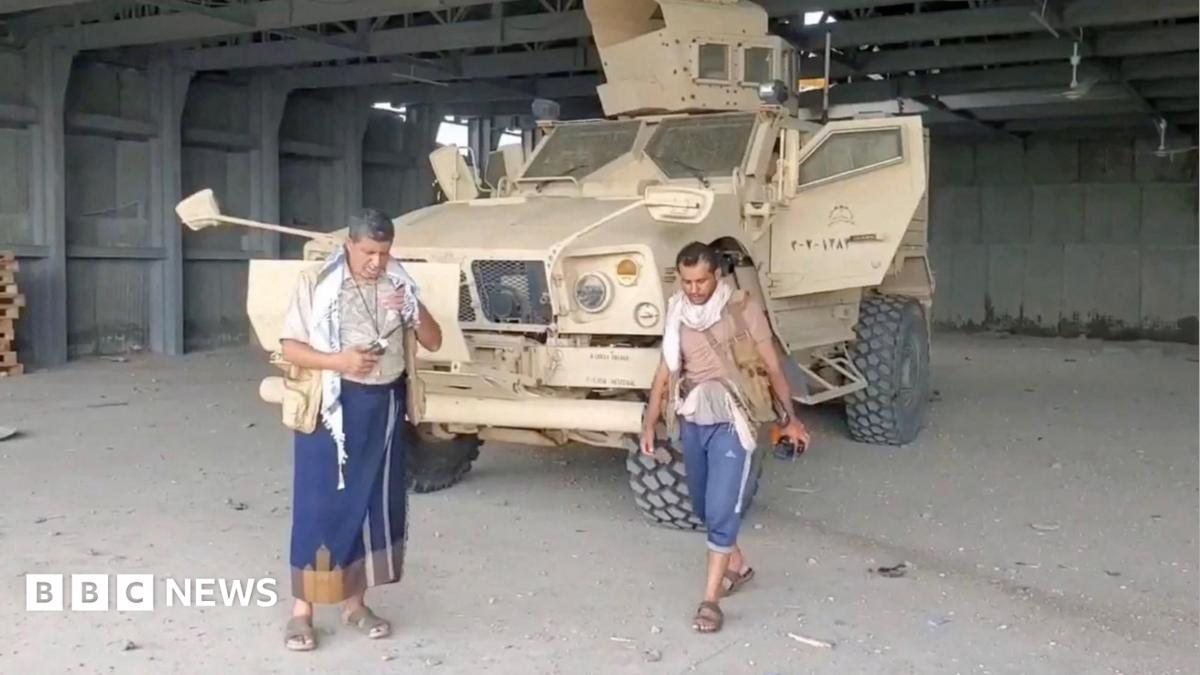
Yemen's Houthi fighters have seized the strategic Red Sea port city of Mokha from Saudi-backed pro-government forces, according to military sources and witnesses. The capture of the city positions the Iran-backed group just 75 kilometres (46 miles) from the Bab al-Mandab Strait, a critical southern gateway for the trade route connecting Asia and Europe.
While the Houthis stated they pose no threat to international shipping, they reiterated their threat to target vessels from Saudi Arabia. The kingdom has relied heavily on the Red Sea for its oil exports since the conflict involving the United States and Israel effectively closed the Strait of Hormuz in the Gulf. The escalating conflict between the Houthis, the Yemeni government, and Saudi Arabia has already contributed to a surge in global oil prices.
Fierce Clashes and Civilian Displacement
The takeover of Mokha follows a week-long offensive in the south-west that has reportedly left hundreds of people dead and thousands displaced. Residents of Mokha reported that Houthi fighters entered the city following intense clashes with pro-government forces on Wednesday night, causing many families to flee in panic.
"The takeover came without warning. Panic spread throughout the area, forcing people to flee amid distressing scenes of injured people lying in the streets with no-one there to help them," a resident told BBC Arabic's Middle East Lifeline programme. Another resident noted that Houthi fighters were patrolling the streets on Thursday, while government offices and businesses remained closed. Many displaced families are now travelling east toward Aden, the base of Yemen's internationally recognised Presidential Leadership Council and government.
Military Developments and Regional Reactions
The Houthis have not issued an immediate direct confirmation of Mokha's capture. However, the group's Supreme Political Council stated through Houthi-run Al Masirah TV on Thursday that clashes had "ceased in the western coast districts after the expulsion of Saudi enemy mobilisations."
Tarek Salah, leader of the pro-government National Resistance Forces, confirmed he had relocated his west coast command centre to a "safe location." He stated that his forces had paid "a heavy price in recent days in the face of a Houthi offensive that was planned and supported by Iran." Additionally, a Yemeni military source told AFP news agency that Houthi fighters had seized Zuqar Island in the Red Sea, located about 80km north-west of Mokha, following rocket barrages and a ground assault using boats.
Appeals for International Support
In response to the advances, Rashad al-Alimi, head of the Presidential Leadership Council, urged Arab states and international partners to help protect Yemen's coastlines and restore state control. Meanwhile, the Houthis' Supreme Political Council asserted its "right to defend [Yemen's] sovereignty and territorial waters" while assuring the international community that navigation in the Red Sea remains safe. However, the Houthi-run humanitarian operations co-ordination centre maintained that the embargo on Saudi vessels remains active.
Houthi military spokesman Yahya Sarea reported that Saudi warplanes conducted 64 air strikes across the western provinces of Taiz, Hudaydah, Marib, and Jawf over a 24-hour period. The Saudi military did not immediately comment, but a spokesman for the Saudi-led coalition stated on Wednesday evening that it would respond to Houthi missile and drone attacks targeting the south-western Saudi cities of Khamis Mushait, Abha, and Jazan.
Escalation of the Decade-Long Conflict
On Tuesday, Houthi drone and missile strikes on southern Saudi Arabia injured 73 civilians and caused fires at several oil facilities, leading to a temporary halt in operations. The Houthis claimed these attacks were retaliation for Saudi air strikes, including a Monday strike on a prison in Hazm in Jawf province that they said killed at least 23 civilians.
The Saudi-led coalition has supported Yemen's government against the Houthis for over a decade. A four-year-old informal ceasefire began to unravel in July when the Houthis announced a "maritime embargo" against Saudi Arabia, initiating attacks on Saudi airports, oil facilities, and tankers. The Houthis stated their actions were in response to a Saudi blockade of ports and airports in Houthi-controlled territory and an air strike on Sanaa airport.