Vishnu Digambar Jayanti Presentation Traces Five Decades of Hindustani Classical Music

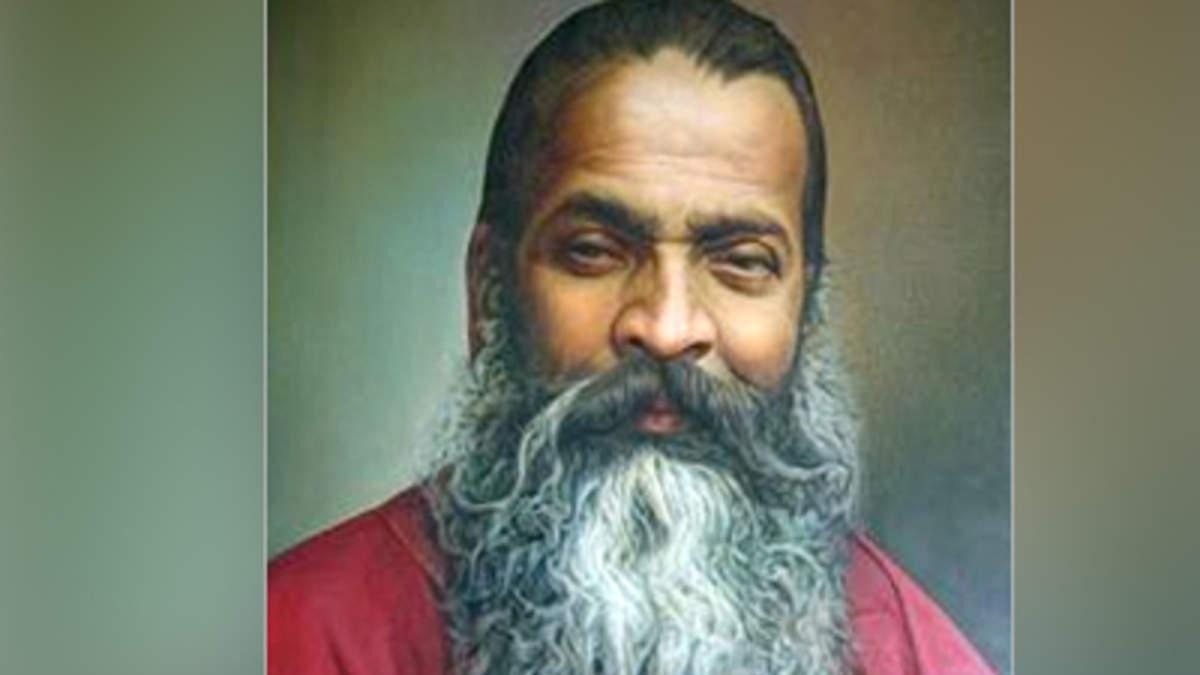
The annual Vishnu Digambar Jayanti music festival, organised by the Gandharva Mahavidyalaya in New Delhi, featured an audio-visual presentation by photographer Avinash Pasricha that offered a historical look into the evolution of Indian classical music. The festival serves as both a platform for young and established artistes and a tribute to Pt. Vishnu Digambar Paluskar (1872–1931), who played a central role in making Hindustani music accessible to broader audiences and establishing it on public concert stages.
Curated by Pasricha, this year's commemorative presentation showcased a collection of rare photographs and audio recordings spanning five decades, from 1944 to 1994. Predominantly featuring black-and-white imagery paired with archived sound recordings from the Mahavidyalaya's collection, the exhibition captured changing performance styles, stage arrangements, and musical figures across generations.
Archival Audio-Visual Presentation
The presentation opened with photographs and recordings of vocalist D.V. Paluskar, the son of Vishnu Digambar Paluskar. Among the notable archival images displayed was a photograph of a 14 or 15-year-old Amjad Ali Khan, capturing what was likely one of his earliest major public concerts in Delhi.
In addition to Hindustani classical performers, the visual retrospective documented the historical participation of Carnatic musicians at the festival. Featured artistes included the flautist T.R. Mahalingam, popularly known as Mali, and vocalist M. Balamuralikrishna. For attendees, the exhibition also offered a rare chance to see and hear archival material from artistes such as vocalist Meera Banerjee and violinist D.K. Datar.
The presentation also incorporated historical spoken recordings from the institution's archives. These included excerpts from talks delivered by prominent musicians of the Agra gharana, including Ustad Vilayat Hussain Khan, Pt. S.N. Ratankar, and Pt. Dilip Chandra Vedi.
Evolution of Concert Culture
The archival collection provided a record of how Hindustani concert culture evolved over fifty years. Images showcased shifting trends in musicians' attire, such as traditional achkans worn with topis, alongside technical advances in sound equipment. Stage arrangements in earlier decades were markedly informal, with audiences frequently seated on the floor and sometimes occupying space directly on the stage near the performers. Concerts during this era were typically longer, frequently extending past midnight.
The photographic exhibition also tracked the personal and professional journeys of individual artistes over four to five decades. Photographs of Pt. Jasraj, for instance, documented his visual transformation from a 30-year-old performer with wayward curls into a mature musician across the later years of his career.
Longtime audience members recalled the distinctive atmosphere of past festival editions. Listener Partho Datta described sitting on an overflowing stage during a performance by Pt. Kumar Gandharva, with Shubha Mudgal accompanying him on the tamboora. Another attendee, Priya Mann, highlighted the festival's enduring commitment to concert etiquette, noting that performances adhere strictly to schedules, maintain pre-set sound systems, use informative announcements, and foster an environment free of disruptions.
Preserving Legacy for Future Generations
The historical photographs and audio recordings preserved by the Gandharva Mahavidyalaya serve as critical archival documents of an era in Indian classical music. Beyond documenting past performances and master musicians, the festival continues to maintain a prominent position in Delhi's cultural schedule.
The institution's ongoing mission to promote Indian classical music is being carried forward by the third generation of its founding family, the Maudgalya-Mudgal family, represented by Arushi Mudgal and Sawani Mudgal, ensuring the festival remains dedicated to its foundational goals.