US Open Influencers Cause Distractions, Brands Must Take Responsibility
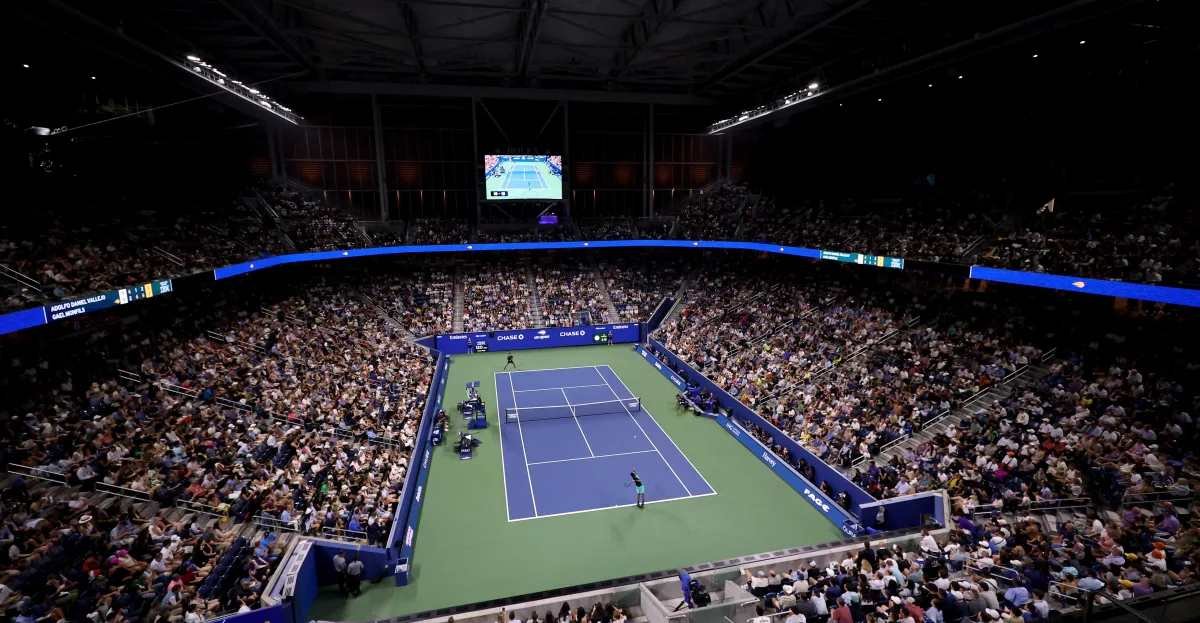
Recent events at the US Open have highlighted the risks associated with brands partnering with influencers. During Naomi Osaka's match against Anastasia Zakharova, a group of ring light-wielding influencers in a luxury suite became a distraction, prompting the umpire to ask them to quiet down.
Elsewhere in the USTA Billie Jean King National Tennis Center, other creators were seen asking US Open staffers to take full-flash photos of them while Osaka and Zakharova were playing.
The US Open has seen a significant increase in content creators, with close to 100 influencers attending this year's tournament, up from 54 last year. However, not all of these influencers were credentialed by the organization, and some were even revoked after posting images of their badges to Instagram.
Brands Must Take Responsibility for Influencers
While influencers have become an integral part of the advertising industry, with US creator ad spend hitting $37 billion in 2025, their antics can lead to undesirable outcomes for everyone involved.
As reporter Jessica Schiffer notes, some brands have been scrambling to get ahead of any potential blowback by sending out 'helpful reminders' on tennis etiquette.
However, the point many people seem to be glossing over is that influencers are usually only invited to events like the US Open because a brand decided it was worth bringing them there.
As such, brands have a personal responsibility to make sure that they're not being represented by people acting foolishly.
Callaway Golf Company learned this the hard way after an ad produced by YouTube channel-turned-sports apparel company Good Good hit the internet and immediately sparked outrage.
The video, a spoof of Curry Barker's Obsession, features Good Good cofounder Garrett Clark grinning maniacally after shoving professional golfer Alexis Miestowski to the ground when she reaches for his Callaway-branded driver.
Many saw the ad as being distasteful and making light of violence against women, which prompted Callaway to issue an apology and sever ties with Good Good.
However, the fact that the ad was approved in the first place is an issue in and of itself, highlighting the need for brands to be more mindful about what it means to use 'edgy' content creators as their ambassadors.
As such, brands must take responsibility for their influencers and ensure that they're not being represented by people acting foolishly.