US Completes Iraq Withdrawal as Baghdad Faces Critical Militia Security Test

US President Donald Trump has hailed the completion of the United States military withdrawal from Iraq as a decisive victory over ISIS. However, for Baghdad, the departure of American forces marks the beginning of a critical security challenge: bringing powerful Iran-backed militias under state control.
The US military completed its withdrawal on September 30, concluding a 12-year mission against the Islamic State group. The final troops departed from Erbil in northern Iraq under a 2024 agreement signed between Washington and Baghdad. While the Pentagon stated that the mission successfully defeated ISIS as an organized military threat, the US will continue to provide limited training and intelligence support to Iraqi forces.
Trump characterized the 12-year campaign as a "very expensive excursion into Hell," asserting that the US had accomplished its goal of dismantling the Islamic State's territorial caliphate. He described the departure as a victory for both the United States and Iraq.
Baghdad's New Security Challenge
For years, the presence of US military forces served as an external counterweight to Iran-backed armed groups in Iraq. With these troops gone, the responsibility of maintaining security and balancing state institutions against powerful militias falls entirely on Baghdad. The central question facing the Iraqi government is whether it can establish exclusive state control over weapons while these influential, heavily armed factions remain active.
Prime Minister al-Zaidi had initially pledged to disarm powerful Iran-backed groups by the September 30 withdrawal deadline. While some smaller factions agreed to surrender their arsenals, more powerful Iran-aligned groups rejected the demand or set conditions. The Islamic Resistance in Iraq, an umbrella organization representing these militias, announced that negotiations with the government had failed to yield an agreement. The group declared it would not be bound by any government-imposed timeline, though it expressed openness to dialogue that respects Iraqi sovereignty.
Militias Celebrate US Departure
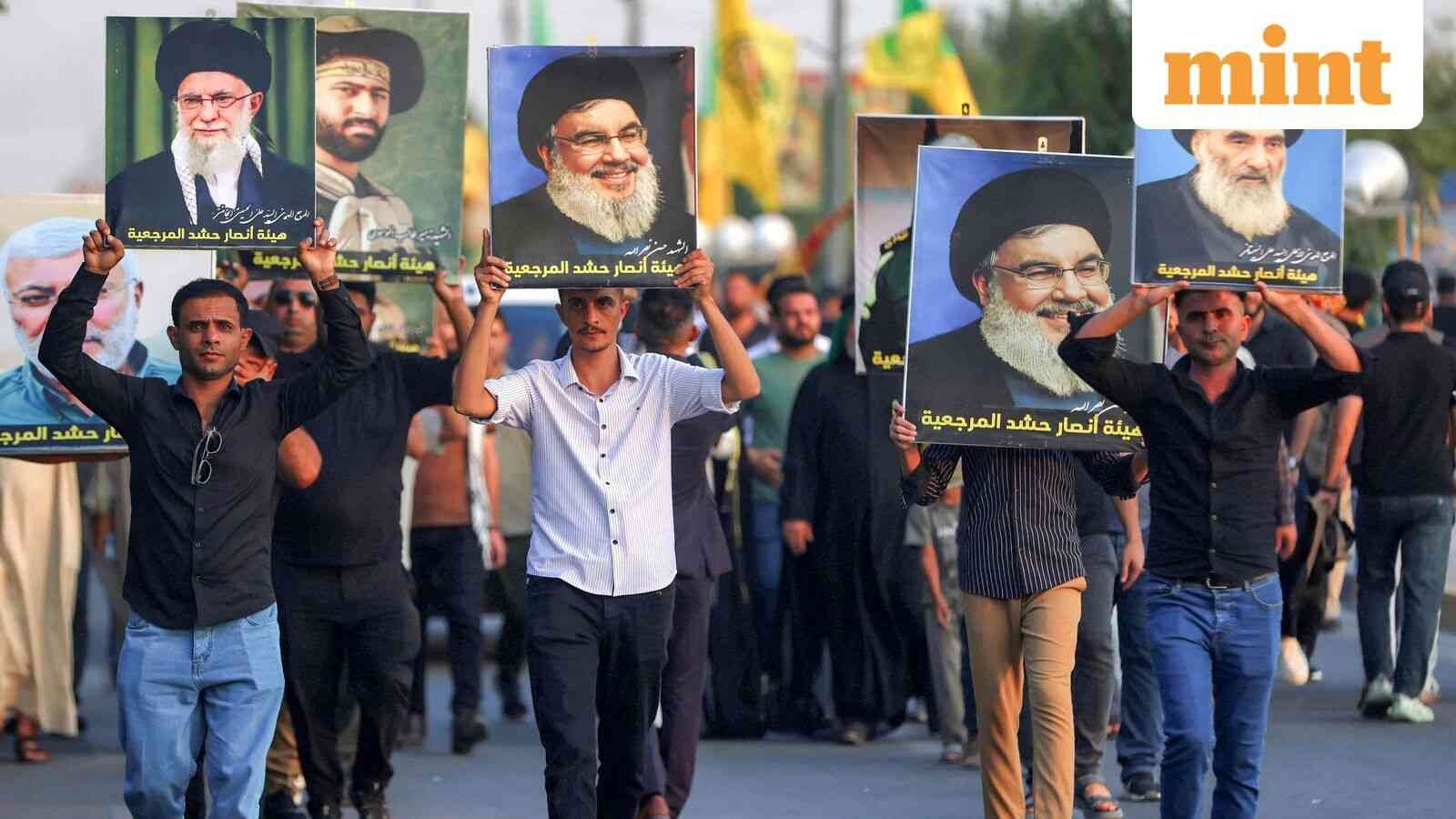
Iran-backed groups have openly celebrated the American exit, framing it as a major victory. Abu Mujahid al-Assaf, a security official with Kataib Hezbollah, described the withdrawal as the expulsion of "occupation forces" and the start of full Iraqi sovereignty. He also cautioned the Iraqi government against executing what he termed American plans.
According to reports from Reuters, Tehran and its regional allies view the US departure as a strategic gain, and analysts warn that the absence of US forces could allow Iran-backed groups to expand their influence. While the political symbolism of the US departure benefits Tehran and its Iraqi allies, the long-term security landscape depends on Baghdad's ability to maintain independent control over its security policies. The withdrawal removes a significant external military presence, but it does not automatically translate to total Iranian control over Iraq, though Tehran already maintains deep political and militia ties within the country.
The Significance of the June 2027 Deadline
Following the failure to disarm the militias by September 30, the Iraqi government has pushed the target deadline to June 2027, according to recent comments by Prime Minister al-Zaidi. This new timeline provides Baghdad with additional time to negotiate with the powerful factions that resisted the initial disarmament efforts.
The June 2027 deadline represents a crucial test of Baghdad's authority. If the government successfully negotiates the integration or disarmament of these factions, it will demonstrate control over Iraq's security architecture. Conversely, if the militias continue to reject state authority, the deadline may simply become another postponed target, leaving the fundamental question of who holds armed power in Iraq unresolved.