Ukraine, Russia and US Complete First Day of Trilateral Peace Talks in Abu Dhabi
Delegations from Ukraine, Russia, and the United States have concluded the first day of a scheduled two-day trilateral meeting in Abu Dhabi aimed at addressing the ongoing conflict in Ukraine. The four-hour session marks the first direct trilateral talks involving all three nations since discussions held in Geneva in February ended without a breakthrough.
Although senior officials directly participating in the negotiations refrained from making extended public statements immediately after the four-hour session, leaders and diplomats monitoring the summit characterized the initial round as productive. Ukrainian President Volodymyr Zelensky, who was not present at the venue in the United Arab Emirates, described the opening day of talks as constructive and substantive during statements made in Copenhagen.
High-Level Delegations and Initial Assessment
The trilateral summit brought together key political, intelligence, and military officials from Kyiv and Moscow. Ukraine's delegation includes Foreign Intelligence Service head Rustem Umerov, presidential chief of staff Kyrylo Budanov, and senior parliamentarian Davyd Arakhamiya. The Russian delegation in Abu Dhabi features Kremlin aide Vladimir Medinsky, deputy foreign ministers Sergei Ryabkov and Mikhail Galuzin, military intelligence chief Igor Kostyukov, and General Yury Zhigarlovsky.
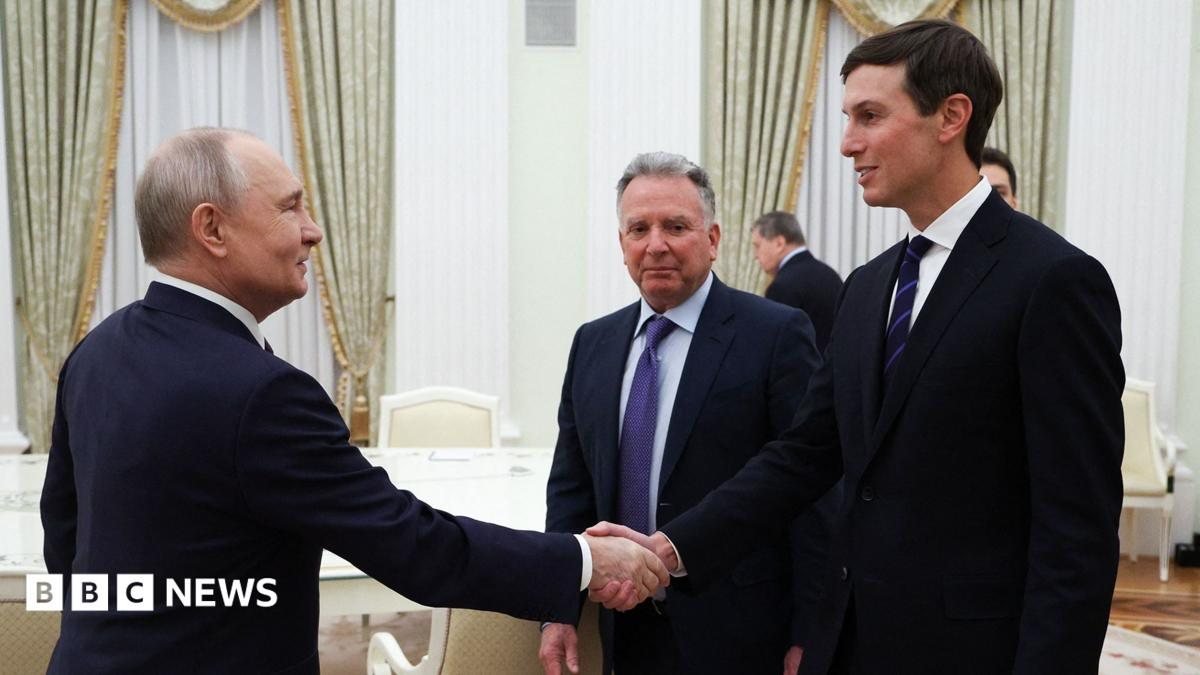
Speaking from Paris, US Secretary of State Marco Rubio described the opening discussions as very productive. Meanwhile, President Donald Trump's son-in-law Jared Kushner told attendees at the start of Tuesday's session that American mediators had narrowed the gaps between the opposing sides, expressing hope for progress toward an agreement that could resolve the war.
Zelensky confirmed that humanitarian matters, including prisoner of war exchanges, were raised during the first day. Commenting on the posture of American negotiators, Zelensky noted that he observed changes in the approach taken by US officials and expressed satisfaction with the progress reported to him.
Territorial Disputes and Postwar Security Frameworks
Despite the positive assessment of the first day's proceedings, substantial policy divisions remain between Kyiv and Moscow, particularly regarding the control of Ukraine's eastern regions. Moscow continues to demand that Ukraine relinquish parts of the Donetsk region that remain under Ukrainian control. Kyiv maintains that the current line of contact must be frozen to preserve control over those strategic territories for long-term national security.
Ahead of the summit, an American official indicated that while both sides maintain firm public stances on territorial claims, negotiators have privately shown minor flexibility regarding postwar arrangements in eastern Ukraine. However, US officials emphasized that territorial issues involving Donetsk cannot be fully resolved without establishing a broader postwar security architecture.
The proposed framework discussed during negotiations includes the establishment of security consultations, crisis management hotlines, and reciprocal de-escalation protocols between the involved parties. US negotiators have also raised the possibility of reactivating the NATO-Russia Council, which has remained largely inactive since 2022. For Ukraine, any long-term security arrangement requires guarantees of military assistance if attacked again, while Russia continues to push for a rollback of NATO presence in Eastern Europe.
European Involvement and Domestic Skepticism
Alongside the primary negotiations, Jared Kushner and US peace envoy Steve Witkoff conducted side meetings with Ukrainian, European, and NATO officials. European leaders have sought inclusion in security discussions affecting the continent, a stance supported by Rubio, who acknowledged in Paris that European nations must be involved in long-term solutions. However, American officials noted that Moscow remains resistant to proposals favored by European Union leaders, such as demanding an unconditional ceasefire before entering formal peace talks.
Russian Foreign Minister Sergei Lavrov reiterated Moscow's rejection of an immediate truce on Tuesday, stating that a cessation of hostilities would allow Ukrainian forces time to regroup. In Ukraine, political figures have expressed caution regarding rapid diplomatic initiatives. Oleksandr Merezhko, head of the foreign affairs committee in Ukraine's parliament, expressed concern that Washington might push for a rapid settlement disadvantageous to Kyiv, arguing that sustained pressure through economic sanctions and long-range military strikes remains essential to compel genuine concessions from Moscow.
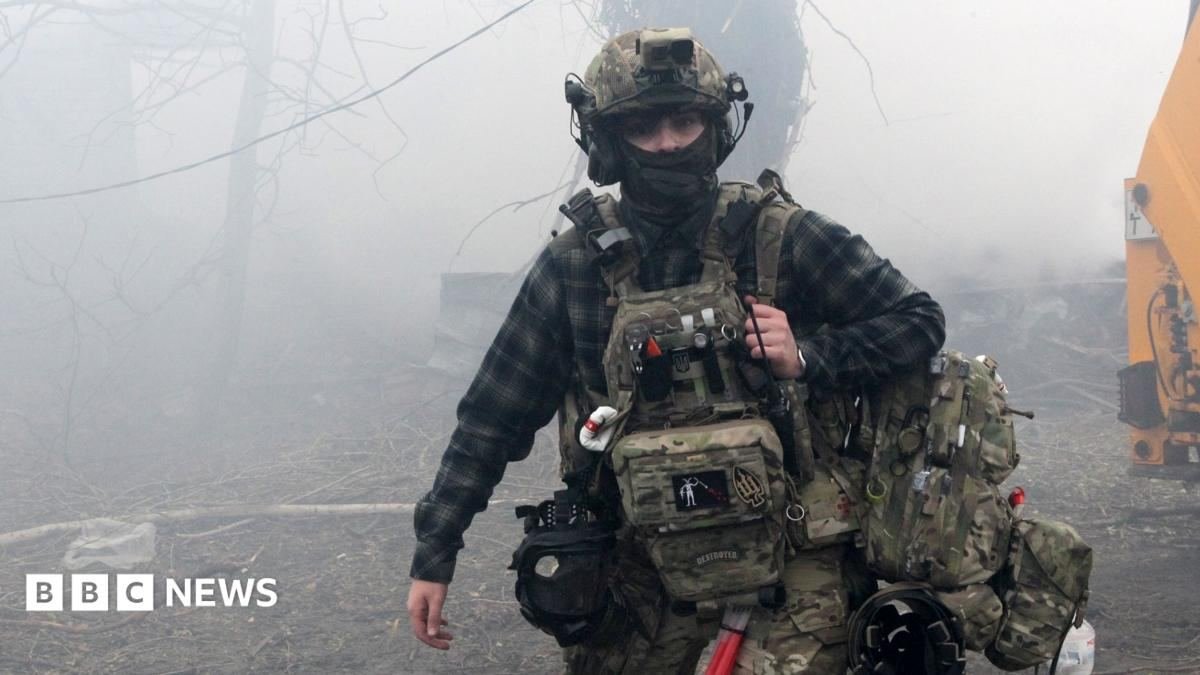
The talks in Abu Dhabi occur against a backdrop of continued Russian military bombardment targeting Ukrainian municipalities and critical energy infrastructure. Mediators have sought to manage expectations, with Kushner noting prior to the talks that the primary goal of the current session is to build momentum for subsequent phases of negotiation in a complex diplomatic landscape.