UK Finds No Record of 1917 Indian War Loan Claimed by Bhopal Family

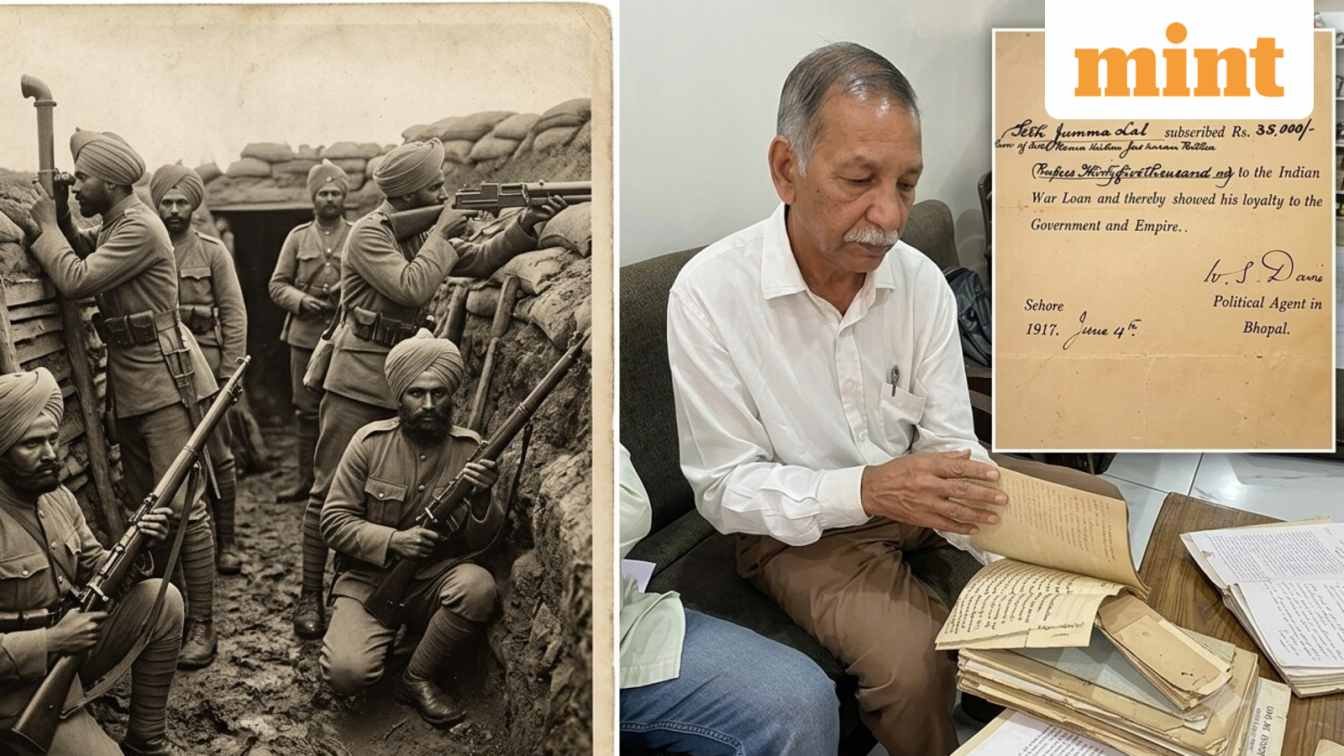
The United Kingdom’s Debt Management Office (DMO) has stated that it has found no evidence that a 1917 Indian War Loan, allegedly subscribed to by a Bhopal businessman, was or remains a liability of the British government. The response follows inquiries from a family in Madhya Pradesh seeking clarity on whether the century-old investment was ever settled.
The position was communicated by the UK’s DMO in an email dated October 16 to Shreyansh Raniwala, the legal counsel representing 63-year-old Vivek Ruthiya of Sehore, Madhya Pradesh. According to a report by The Times of India, the DMO stated in its reply that after investigating the matter, it could find no evidence that the referenced loan was or is an obligation of the UK government. The authority has not acknowledged any outstanding liability regarding the claim.
Details of the 109-Year-Old War Bond Claim
The dispute centres on a document dated June 4, 1917, which the Ruthiya family states has been preserved for over a century. The document records a subscription of ₹35,000 made by Seth Jumma Lal Ruthiya, a merchant associated with the firm Seth Rama Kishan Jaskaran Ruthiya in the former princely state of Bhopal. The certificate bears the signature of WS Davis, who was serving as the Political Agent in Bhopal at the time.
The Indian War Loan was floated by the British administration during World War I to raise funds for military expenditure. These loans enabled the government to borrow from private investors and businesses in exchange for interest and eventual repayment under established terms. According to the family, the investment carried an annual interest rate of 5.5%. The family maintains that neither the principal amount nor an accounting of the settlement has been received.
Family Seeks Clarification on Historical Settlement
The UK government’s response has prompted calls for further details from social activist Vinay Ruthiya. He stated that the family had verified the documents in its possession and submitted all requested materials through legal counsel. He urged British authorities to explain whether the transaction appears in historical financial records and how any liability was handled.
“If the loan was repaid, there should be a record showing when and how it was settled. We submitted the documents they asked for, including the historical certificate,” Vinay Ruthiya said, as quoted by The Times of India.
Vivek Ruthiya stated that he discovered the certificate alongside historical correspondence with the British government among papers preserved in his grandfather's will. Seth Jumma Lal Ruthiya died in 1937, two decades after the subscription was made, while British rule in India concluded in 1947. The family continues to seek official historical records to clarify the outcome of the investment.