The Silent Citizens: Why India’s Youngest Children Struggle to Access Legal Rights

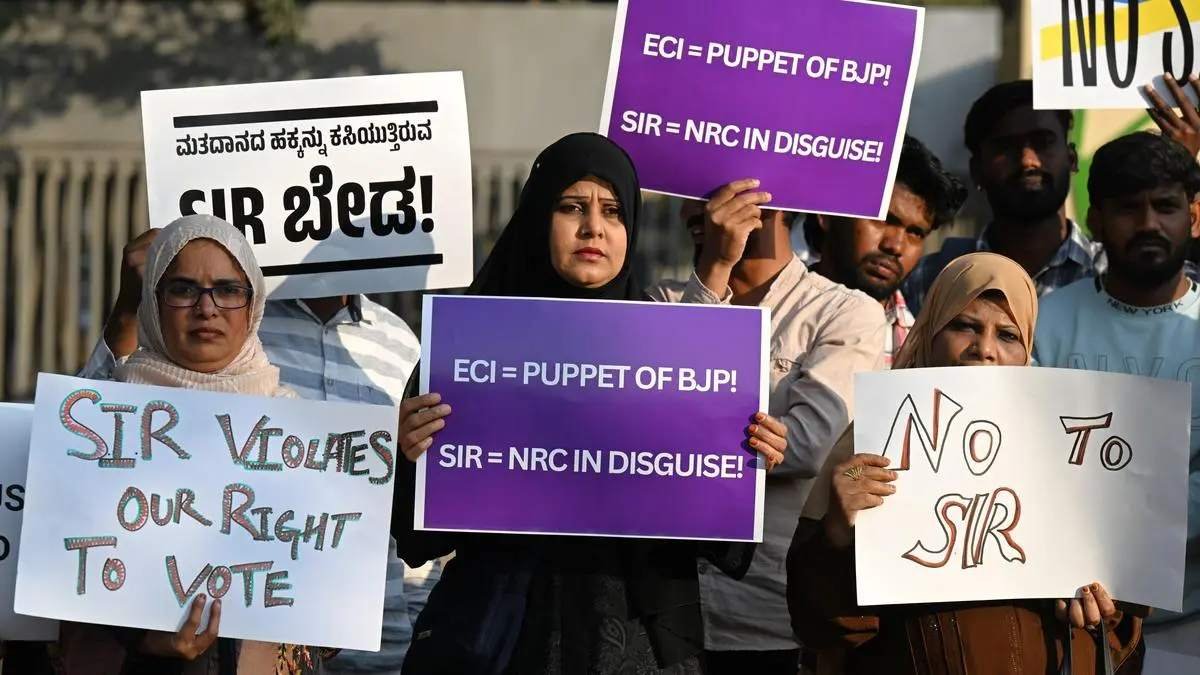
On July 25, Union Education Minister Dharmendra Pradhan resigned following weeks of student protests over the NEET-UG examination crisis. Just three days later, on July 28, 2026, students from classes VI to XII at Sarvodaya Inter College in Fatehpur, Uttar Pradesh, staged a sit-in. Holding portraits of B.R. Ambedkar and handmade placards, they protested against broken desks, exposed live wires, a lack of drinking water, and the absence of fans during the summer heat. Within a day, the District Inspector of Schools provided written assurances addressing most of their demands—grievances that had previously languished in local bureaucracy for months.
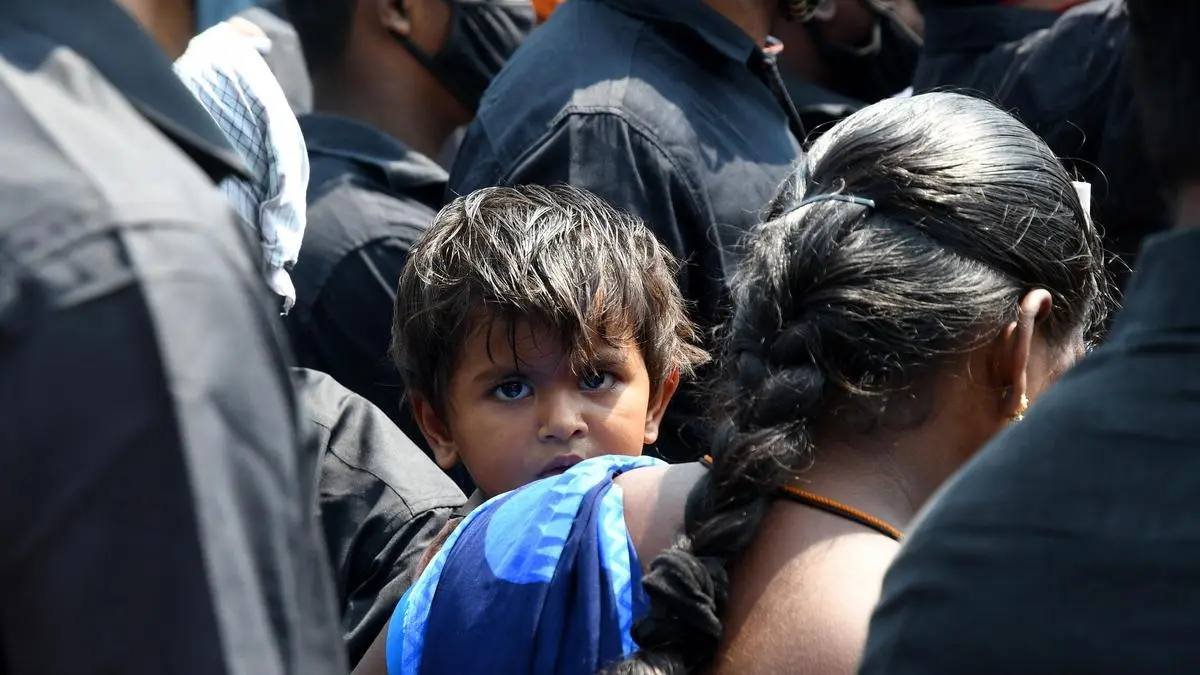
While the Fatehpur protest and the NEET demonstrations organised by the Cockroach Janta Party (CJP) suggest that students have learned to extract concessions from the state, they also highlight a stark disparity. The Fatehpur organisers were older teenagers. Younger children rarely appear as narrators of their own grievances because adults seldom treat them as credible witnesses. For a child in class II, or a five-year-old in an anganwadi, there is no straightforward way to demand a safe, clean, and well-lit learning environment.
The Gap Between Entitlement and Agency
India has established a dense network of institutions to protect children, including a statutory child rights commission with civil court powers, School Management Committees (SMCs) under the Right to Education (RTE) Act, and digital tracking systems for nutrition and infrastructure. However, education theorist Krishna Kumar has argued that Indian schooling treats children primarily as passive recipients of content rather than active participants. Social science curricula introduce rights through the language of elections, meaning a 10-year-old learns to associate accountability with the ballot box rather than the broken tap in her school.
According to scholar Roger Hart’s ladder of children’s participation, which spans eight levels from tokenism to shared decision-making, most official interactions with young children in India remain at the lower end. These include photo opportunities of officials distributing school bags or children reciting adult-written lines at cultural events. While the Fatehpur teenagers reached the upper rungs by organising and securing administrative action, younger children lack the mobility and agency to make similar demands.
Amartya Sen’s capability approach distinguishes between formal entitlements and the substantive freedom to achieve valued outcomes. Under Section 19 of the RTE Act, a six-year-old has a legal claim to clean toilets, drinking water, and safe school facilities. Yet, this legal claim does not guarantee the practical means to secure them. Meanwhile, a five-year-old in an anganwadi or Balvatika falls outside the age band of the RTE Act entirely, leaving them with even fewer avenues for recourse.
Infrastructure Gaps and Administrative Vacancies
Early childhood care in India is divided between the Integrated Child Development Services (ICDS), launched in 1975 for children under six, and the RTE Act of 2009, which guarantees elementary education for children aged 6 to 14. Anganwadis and pre-primary sections sit between these two frameworks.
Data from the Ministry of Education’s Unified District Information System for Education Plus (UDISE+) 2025-26 report shows that while drinking water and girls' toilets are available in 99.5% and 98.5% of schools respectively, only 40.1% have dedicated toilets for children with special needs. Furthermore, 95% of India’s 14.67 lakh schools have electricity, leaving approximately 73,000 schools without power.
The administrative machinery also faces significant staffing shortages. A 2022 Lok Sabha reply recorded 13.89 lakh operational anganwadi centres as of June 2021, but with only 13.14 lakh workers and 11.74 lakh helpers in position. This represented a shortage of roughly 75,000 workers and 2.15 lakh helpers. In Uttar Pradesh, there were 25,446 fewer workers and 49,553 fewer helpers than operational centres. Similarly, a February 2026 Lok Sabha reply from Karnataka reported 3,809 vacant worker posts and 12,022 vacant helper posts.
While digital systems like the Poshan Tracker—the backbone of Mission Saksham Anganwadi and Poshan 2.0—maintained a live database tracking nutrition indicators for over 7.7 crore children by May 2026, these systems remain top-down. The state can monitor a child's height and weight on a dashboard, but the child cannot use the dashboard to voice a grievance.
The Backlog of Child Rights Protections
The National Commission for Protection of Child Rights (NCPCR), tasked with monitoring the RTE Act under Section 31, has promoted e-BaalNidan, an online portal for filing complaints. However, this system requires literacy, time, and adult support to navigate.
Between April 2023 and March 2024, the NCPCR faced a total caseload of 64,088 complaints, including a backlog of 17,671. The commission disposed of 7,508 cases, leaving 56,580 pending. Out of 5,999 education-related complaints, only 587 were closed. State-level backlogs were similarly high:
- Madhya Pradesh: 16,572 complaints received; 1,922 closed.
- Uttar Pradesh: 7,486 complaints received; 798 closed.
- Chhattisgarh: 6,277 complaints received; 964 closed.
In contrast to this reactive model, Norway established the world's first Ombudsman for Children in 1981. This statutory office can act on its own initiative to monitor compliance with child rights and raise concerns directly with lawmakers, presenting a proactive model that the NCPCR could emulate.
Civil society has attempted to fill these gaps. On August 15, 2026, the CJP launched its "School Thik Karo" campaign, encouraging citizens to conduct social audits of government schools. The campaign, which began in Maharashtra’s Hingoli district, spread to Rajasthan, Delhi, and Telangana, eventually prompting the Rajasthan government to initiate a school-revamp programme following a public dispute in Jaipur.
Structural Barriers in School Management Committees
Under Section 21 of the RTE Act, schools must form School Management Committees (SMCs) comprising at least 75% parents or guardians, with proportional representation for disadvantaged groups and at least 50% women. New national guidelines issued in 2026 detailed rules for elections, training, and sub-committees, designating the head teacher as Member Secretary.
However, local social hierarchies often prevent these committees from functioning as intended. A 2014 Human Rights Watch report documented that Dalit, Adivasi, and Muslim parents in Uttar Pradesh were often unaware of SMCs, or were excluded due to fear of retaliation from local landowners. A 2025 review confirmed that SMC meetings remained irregular, with proceedings dominated by school staff and local elites, leaving mother members hesitant to speak freely.
The 2026 guidelines establish a show of hands or voice vote as the default election method, reserving secret ballots only for unresolved disputes. This lack of anonymity can deter vulnerable parents, such as Dalit mothers who rely on local elites for wage labor, from voting freely.
To establish genuine accountability, researchers suggest that the NCPCR should proactively audit high-burden districts using UDISE+ and Poshan Tracker data rather than waiting for formal complaints. Additionally, making secret ballots the default for SMC elections and establishing independent complaint procedures would help protect vulnerable parents, ensuring that the rights of the youngest children are secured before they are old enough to protest.