
Tesla Plans Cybercab Deliveries to External Customers by End of Year

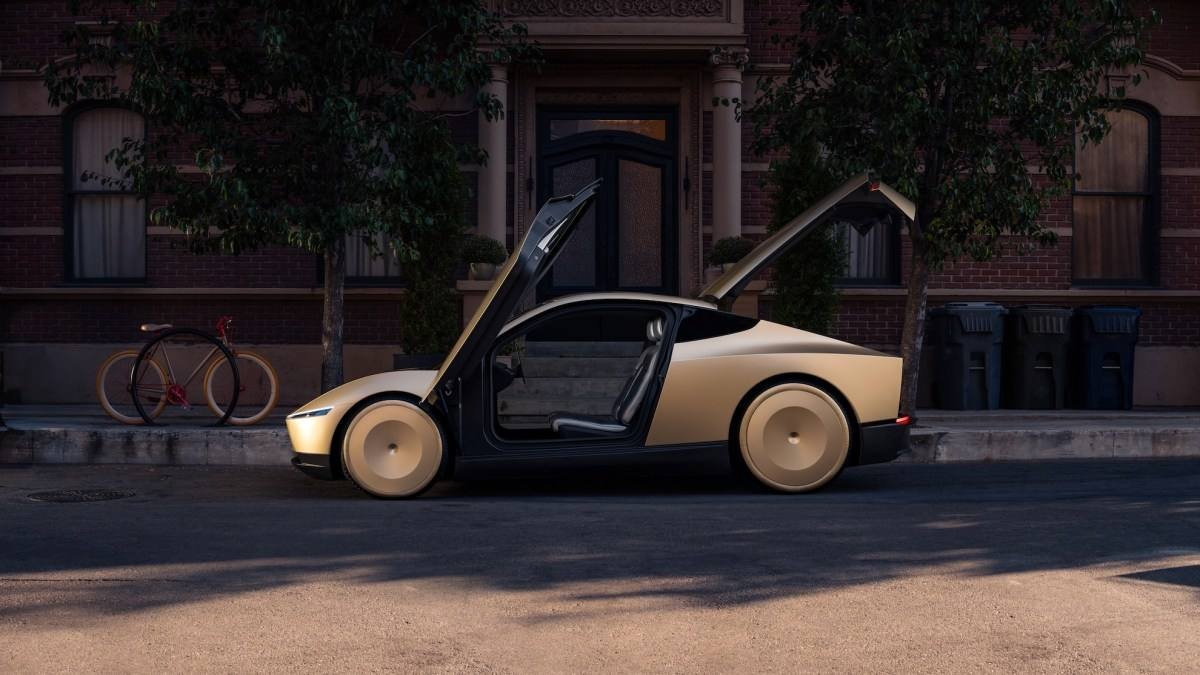
Tesla announced during its third-quarter earnings call that it plans to begin selling its autonomous Cybercab to customers by the end of the year. The gold-hued two-seater vehicle, designed without a steering wheel or other traditional manual controls, is debuting as federal auto safety regulators examine whether the model complies with federal standards.
Lars Moravy, vice president of engineering at Tesla, stated on the call that Cybercabs currently being produced are allocated for the company's internal robotaxi fleet. Moravy explained that as the fleet expands, Tesla will mainly deliver fully designed autonomous vehicles to customers, starting on a small scale to gain operational insight into delivery, ownership, and fleet management.
Shift in Autonomous Strategy and Timelines
Tesla initially indicated last month around its Austin Cybercab event that it might sell the autonomous vehicle to third parties, opening an online form for interested buyers. The plan represents a shift from CEO Elon Musk's long-standing strategy, which previously focused on converting privately owned Tesla vehicles into autonomous taxis via software updates. That software-based transition has not yet materialized.
Currently, Tesla vehicle owners can access Full Self-Driving (Supervised), a driver-assistance system that handles automated driving tasks but requires human drivers to remain active and ready to intervene. Musk stated on Wednesday that an unsupervised version of Full Self-Driving is projected to roll out in the second quarter of next year, marking a further delay for existing owners.
If both proposed schedules are maintained, commercial fleet customers could purchase Cybercabs and operate them as robotaxis before individual Tesla owners gain unsupervised self-driving capabilities in personal cars. Musk emphasized that the Cybercab is built primarily for transport services rather than personal ownership, contrasting it with consumer models such as the Model 3, Model Y, and Roadster.
Federal Regulatory Review and Safety Compliance
Tesla's deployment timeline faces scrutiny from the National Highway Traffic Safety Administration (NHTSA). The federal regulatory body opened an investigation into the Cybercab last month, shortly after the vehicles began operating on public roads in Austin.
Under Federal Motor Vehicle Safety Standards (FMVSS), road vehicles are required to include manual controls, such as brake pedals, along with rearview and side mirrors. Automakers traditionally self-certify that their vehicles conform to FMVSS requirements, a protocol Tesla followed for the Cybercab. While existing regulations do not accommodate vehicles lacking manual controls, the U.S. Department of Transportation recently proposed revising those rules for purpose-built autonomous vehicles.
In the interim, NHTSA's investigation is focusing on the technical data and internal procedures Tesla relied upon during its self-certification process. The findings of the inquiry could determine whether Tesla and third-party buyers can legally operate the Cybercab on public roads.