Sundar Pichai Defends Google AI Strategy and Points to Upcoming Gemini 4

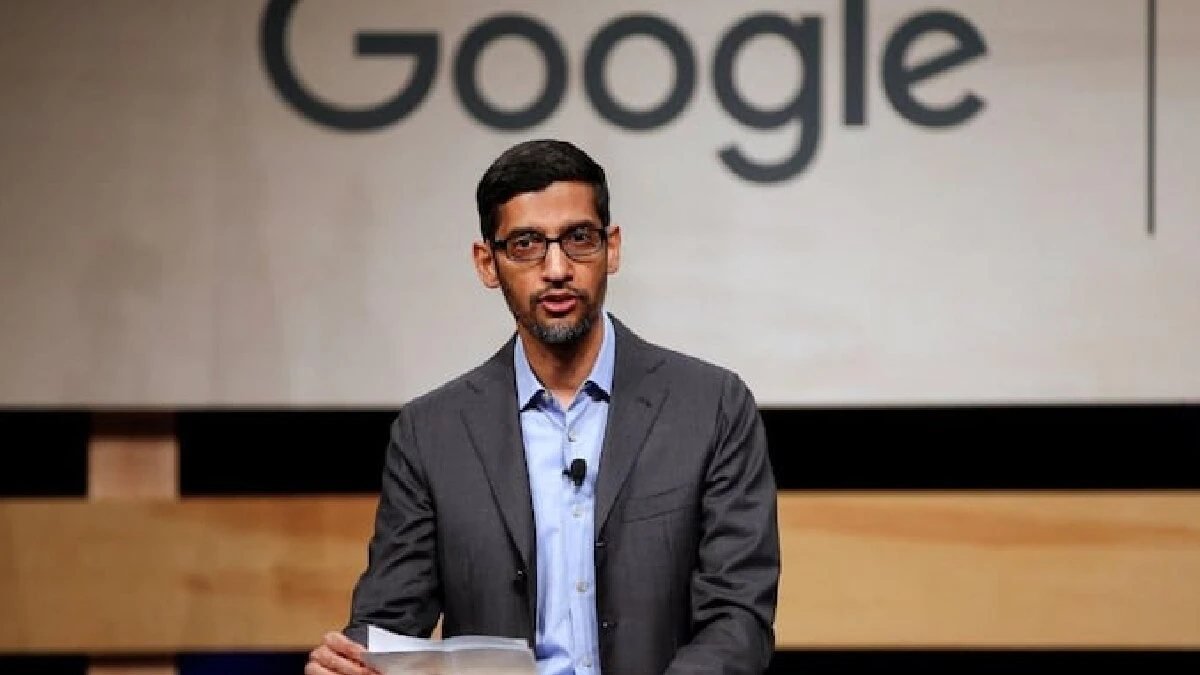
Google CEO Sundar Pichai has pushed back against assertions that the company is falling behind its competitors in the artificial intelligence race. Speaking during the earnings call of Google's parent company, Alphabet, Pichai assured investors of the company's competitive positioning and highlighted the upcoming release of Gemini 4 as a major step forward.
While rivals like OpenAI with ChatGPT and Anthropic with Claude frequently lead public attention in generative AI, particularly in coding and agentic tasks, Pichai expressed strong confidence in Google's trajectory. He stated that "people will be pleased" when Gemini 4 is launched, describing the upcoming model as a "very ambitious effort" that is significantly larger than its predecessors, designed to allow Google to compete at the frontier of AI development.
Admitting Gaps in AI Coding and Agentic Tasks
The CEO's remarks come amid reports that Google delayed the release of Gemini 3.5 Pro. The delay reportedly occurred after the model failed to meet internal performance goals for coding and agentic tasks—domains where competitors like OpenAI and Anthropic currently hold a strong position.
Responding to JPMorgan analyst Doug Anmuth during the call, Pichai acknowledged that Google has ground to make up in specific areas. "There are areas where we've acknowledged we need to improve and coding and agentic coding is an example of that," Pichai said. However, he maintained that Google still holds a competitive advantage in other sectors, stating, "There are many attributes on which we are still at the frontier." He reiterated that the company remains "very committed and very confident" about maintaining its leadership in the broader AI landscape.
Coding has rapidly become a critical benchmark for artificial intelligence tools. Enterprises worldwide are adopting specialized tools such as Claude Code and Codex to automate software development. The competitive landscape has also expanded, with Meta and Elon Musk's SpaceX entering the AI coding sector with their own models.
Focusing on the Broader Gemini Ecosystem
Rather than focusing on the delays surrounding the flagship Gemini 3.5 Pro, which remains in partner testing, Pichai emphasized the performance and adoption of Google's faster, lower-cost models. He specifically highlighted Gemini Flash, which is utilized for cybersecurity, customer service agents, data analytics, and enterprise software.
According to Pichai, the recently released Gemini 3.6 Flash showed an improvement of more than 10 points on a coding benchmark compared to its predecessor, while utilizing fewer tokens. Alongside this release, Google introduced Gemini 3.5 Flash-Lite and a specialized, cybersecurity-focused Flash Cyber model.
This product strategy reflects Google's efforts to direct investor attention toward its comprehensive AI ecosystem. This ecosystem spans custom silicon chips, cloud infrastructure, and the integration of Gemini models across Google's consumer and enterprise services.
Strong Cloud Growth and Financial Performance
Despite concerns over frontier model development, Google reported significant growth in its user base and financial metrics. The company announced that Gemini has reached 950 million monthly active users, up from 750 million in the fourth quarter of 2025. Pichai noted that Google's AI investments are "redefining what's possible across every part of our business," pointing to "exciting momentum across the board."
Google Cloud revenue experienced an 82 percent year-on-year increase, reaching $24.8 billion, which surpassed analyst expectations. The company attributed this growth to the widespread adoption of its enterprise AI solutions and AI infrastructure. Additionally, Google's cloud backlog rose to $514 billion.
For the quarter, Alphabet reported a net profit of $112.1 billion, a substantial increase from the $28.1 billion reported in the same period a year earlier. Overall revenue rose by 24 percent to $119.8 billion, while Google Services revenue grew by 15 percent to reach $94.5 billion.
Wall Street Concerns and Market Reaction
Despite these strong financial figures, Wall Street remains cautious regarding Google's rising capital expenditures and its ability to reclaim undisputed leadership in AI coding and frontier reasoning. Reports published alongside the earnings release indicated that Google's annual capital expenditure plans are projected in the range of $180 billion to $190 billion, or potentially up to $195 billion to $205 billion.
Following the earnings announcement, Alphabet shares declined by more than 3 percent in after-hours trading. The stock has experienced a decline of approximately 9 percent since the end of April, reflecting ongoing investor scrutiny over the costs associated with the AI infrastructure buildout.