
Shashi Tharoor Criticizes India's Abstention From ILO Vote on Gig Workers' Rights

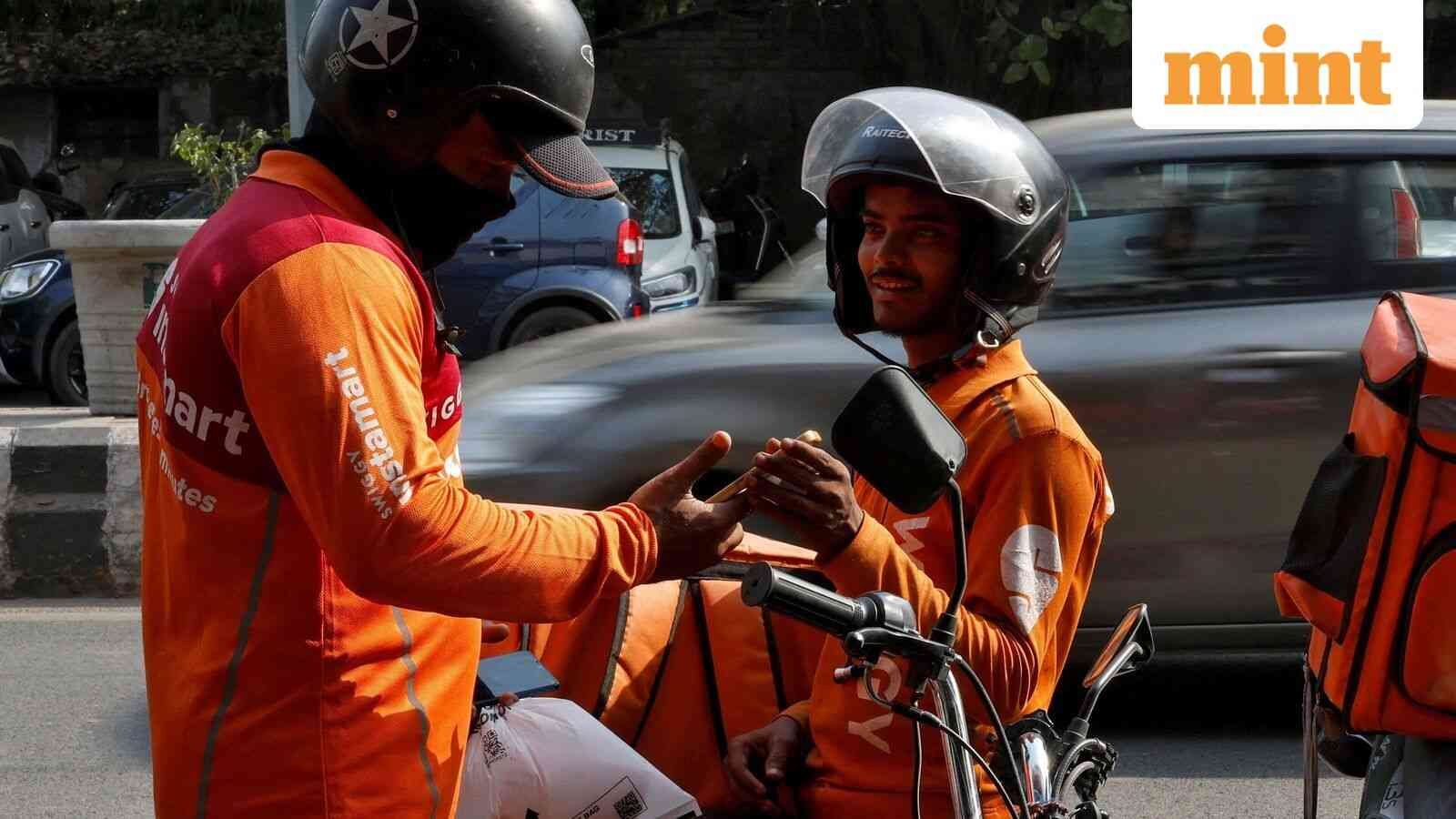
Congress MP Shashi Tharoor has criticized the Indian government's decision to abstain from a vote on the International Labour Organization (ILO) Convention concerning "decent work in the Platform Economy." The convention, which aims to establish minimum standards for gig workers, was adopted during the ILO's 114th session in Geneva.
In a post on the social media platform X, Tharoor termed the government's abstention a "national disgrace," pointing out that both Indian employers and workers had voted to support the measure. He urged the government to endorse the global standards and integrate them into domestic legislation to protect the millions of individuals employed in the country's rapidly expanding gig economy.
The ILO Convention on Platform Economy
The ILO convention, adopted on June 12, represents the first global framework of its kind designed to protect gig workers. It establishes binding standards for minimum wages, occupational safety, and social security for digital platform workers. The convention was passed with a recorded vote of 406 delegates in favor and 8 against. India was among the 36 ILO members that chose to abstain from the vote.
Tharoor argued that the decision to abstain reflects a lack of sensitivity toward the needs of young Indians. He stated that the move is an example of the establishment's "tone-deafness" to the lakhs of people who earn their living through digital applications.
India's Growing Gig Economy and Challenges
According to the Economic Survey 2025-26, India's gig workforce grew by 55 percent, rising from 77 lakh workers in fiscal year 2021 to 120 lakh workers in fiscal year 2025. This growth has been supported by high smartphone penetration, with over 80 crore users, and approximately 15 billion UPI transactions per month. Gig workers now represent more than 2 percent of India's total workforce.
The Economic Survey projects that non-agricultural gig roles will make up 6.7 percent of the national workforce by 2029-30, contributing ₹2.35 lakh crore to the gross domestic product (GDP). While India's Labour Codes formally recognize gig and platform workers by expanding social security, welfare funds, and benefit portability, workers continue to face significant challenges.
Despite the flexibility offered by digital platforms, gig workers in India frequently raise concerns regarding unstable earnings, arbitrary identification deactivations, unreasonable targets, and a lack of medical, accidental, or life insurance coverage. Globally, the World Bank estimates that approximately 435 million people earn an income through labor platforms.