
Samsung Introduces Galaxy Card to Compete in Credit Market

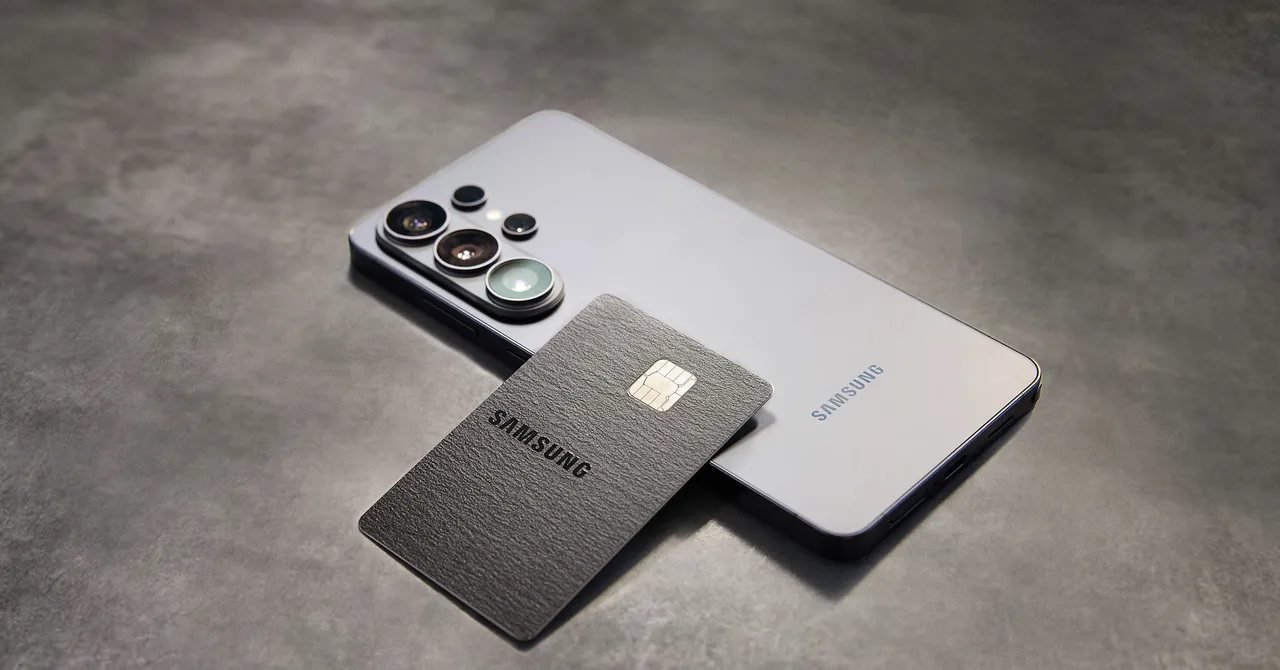
Samsung has announced the launch of the Galaxy Card, marking the company's entry into the branded credit card market nearly seven years after Apple introduced the Apple Card. The announcement was made two days ahead of Samsung's second Galaxy Unpacked event of the year, where the company is expected to present new smartwatches and folding smartphones.
The Galaxy Card is issued by Barclays and operates on the Visa network. This contrast with the Apple Card, which was initially issued by Goldman Sachs before transitioning to Chase on the Mastercard network. Samsung's physical card is manufactured from recycled steel rather than titanium, while the virtual version of the card is integrated directly into the user's Samsung Wallet account.
Rewards Structure and Financial Terms
The Galaxy Card carries no annual fee and offers tiered cash rewards. Cardmembers can earn 5 percent cash rewards on all in-store or online purchases made directly from Samsung in the United States. Purchases made with the Galaxy Card through Samsung Wallet earn 3 percent cash rewards, while streaming service subscriptions earn 2 percent. All other purchases made using the physical card earn 1 percent cash rewards.
Cardholders can redeem their accumulated cash rewards as a statement credit or transfer the funds to a checking or savings account. While the annual percentage rate (APR) varies depending on the cardmember, the card does not charge foreign transaction fees. Additional incentives include a 20 percent discount on Samsung's VIP Advantage membership—which provides extended device protection, specialized support, and exclusive deals—and a $200 cash reward after spending $2,000 within the first 90 days. Applications for the card are scheduled to open on July 22.
Device Compatibility and Management
Because the Samsung Wallet app is restricted to Samsung smartphones and watches, the company has established alternative management options for users who switch to other device brands. While anyone can continue to use the physical card and manage their account through the BarclaysUS.com online portal, switching away from a Samsung device results in the loss of key rewards and perks.
This structure mirrors the limitations of the Apple Card. If an iPhone owner switches to an Android device, their physical Apple Card remains functional, but they lose access to the Apple Wallet app and the 3 percent daily cash perk on Apple purchases, requiring them to manage the account via a web portal.
Industry Analysis and Consumer Impact
Financial analysts view the move as a strategy to bolster brand ecosystem loyalty rather than revolutionize the credit industry. Brian Riley, director of Credit Advisory Services at Javelin Strategy & Research, noted that credit cards are essentially commodities, meaning differentiation lies in how consumers use them. Riley highlighted that a common challenge with rewards cards is that consumers often accumulate interest on unpaid balances, which can wipe out the value of the rewards earned.
Riley also pointed out that the Apple Card did not become a mainstream challenger to the broader credit card industry because the average household typically maintains three or four cards for distinct purposes, such as everyday purchases, emergencies, or travel. Sara Rathner, a credit card expert at NerdWallet, agreed, describing the Apple Card as a standard cash-back card rather than a revolutionary product.
However, Rathner noted that the 3 percent cash reward for purchases made via Samsung Wallet is a highly competitive rate that could prove compelling for daily transactions, such as transit commutes. She also credited Apple with driving industry-wide improvements, such as allowing users to view qualified interest rates before a hard credit pull, offering daily rewards posting, and simplifying physical card activation.