Role of Opposition and Constitutional Values in Democratic Governance

In a democratic framework, the right of citizens to express dissent, register protests, and pose questions serves as a vital constitutional safeguard. Criticising government policies through reasoned arguments, demanding accountability for administrative failures, and organising public interest protests represent natural features of democratic functioning. However, a balance is required to ensure that constructive critique does not transition into persistent political pressure that undermines constitutional bodies or national interests.
Preventing an elected government from adopting authoritarian practices remains a key responsibility of political opposition parties and non-political organisations. When government decisions carry errors, or administrative negligence impacts public interest, raising questions and seeking accountability is a legitimate democratic function.
Dissent and Accountability in Democratic Discourse
Instances such as seeking answers from the then Education Minister Dharmendra Pradhan and calling for resignations regarding examination transparency and alleged irregularities in competitive examinations, including the National Eligibility-cum-Entrance Test (NEET), formed part of democratic discourse. In matters affecting student welfare, establishing government accountability is critical. However, demands for accountability require a foundation built on facts, evidence, and impartial assessments rather than political opportunism or unverified claims.
Challenges arise when protest movements shift focus from reviewing policy decisions to targeting individuals and constitutional bodies. Questioning the impartiality of the Election Commission of India following electoral setbacks or demanding the resignation of constitutional office-holders solely due to political dissatisfaction does not substantiate claims unless backed by credible evidence and established legal procedures.
Electoral Mandates and Institutional Introspection
Political parties that do not secure public mandates in elections are expected to engage in internal introspection by analyzing leadership, organizational structures, and public outreach strategies. Parties such as the Trinamool Congress in West Bengal, the Aam Aadmi Party in Delhi and Punjab, and the Congress alongside its allies in various states have gained power through democratic elections.
Evaluating the credibility of electoral processes requires uniform standards, concrete evidence, and impartial investigations rather than reactions based on electoral outcomes. While genuine irregularities in elections demand corrective measures, declaring the entire electoral machinery untrustworthy following a defeat lacks justification.
Role of Youth and Institutional Integrity
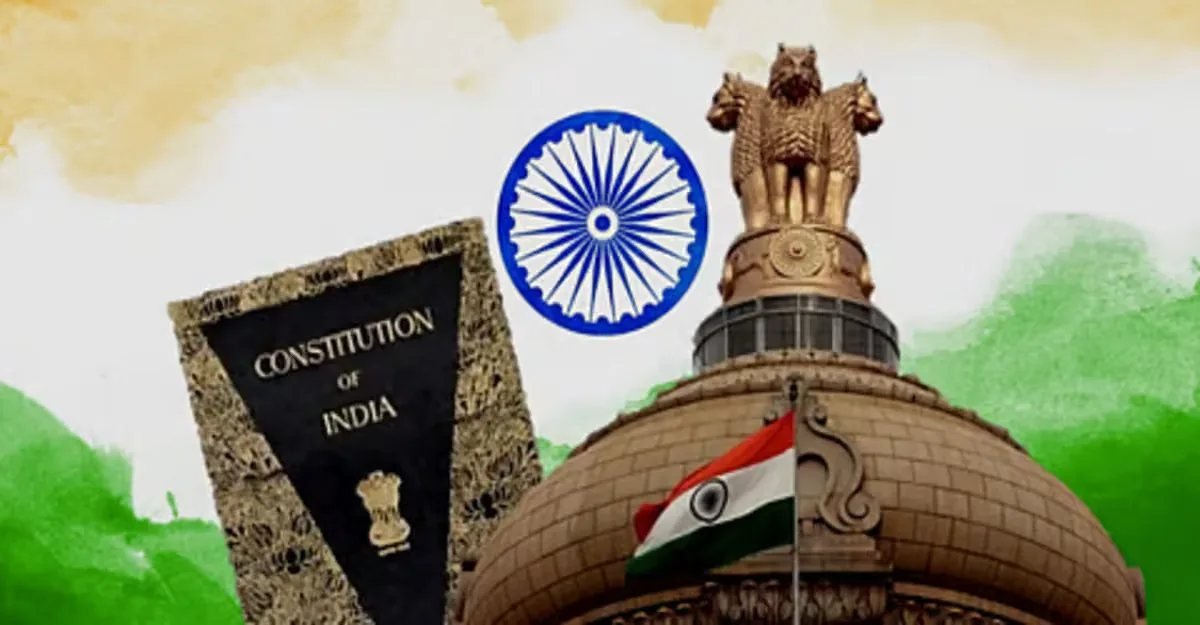
Constitutional institutions, including the judiciary and the Election Commission, are open to critique through reasoned arguments, provided their independence and impartiality remain protected. A strong democracy addresses institutional questions through transparency, legal mechanisms, and impartial procedures, ensuring neither the government nor the opposition operates above the Constitution.
India's youth population plays a key role in discerning facts from political slogans and unverified claims. Youth energy is most effectively directed toward addressing core societal concerns such as unemployment, quality education, skill development, examination system transparency, and measures against corruption.
Regarding electoral roll revisions, transparency is necessary to prevent the improper removal of eligible voters and ensure ineligible entries are handled lawfully. On national security and illegal immigration, legal due process must guide actions without subjecting individuals to suspicion based solely on language, attire, or identity.