Replit Ends Partnership With Anthropic Over Cost and Performance, CEO Says

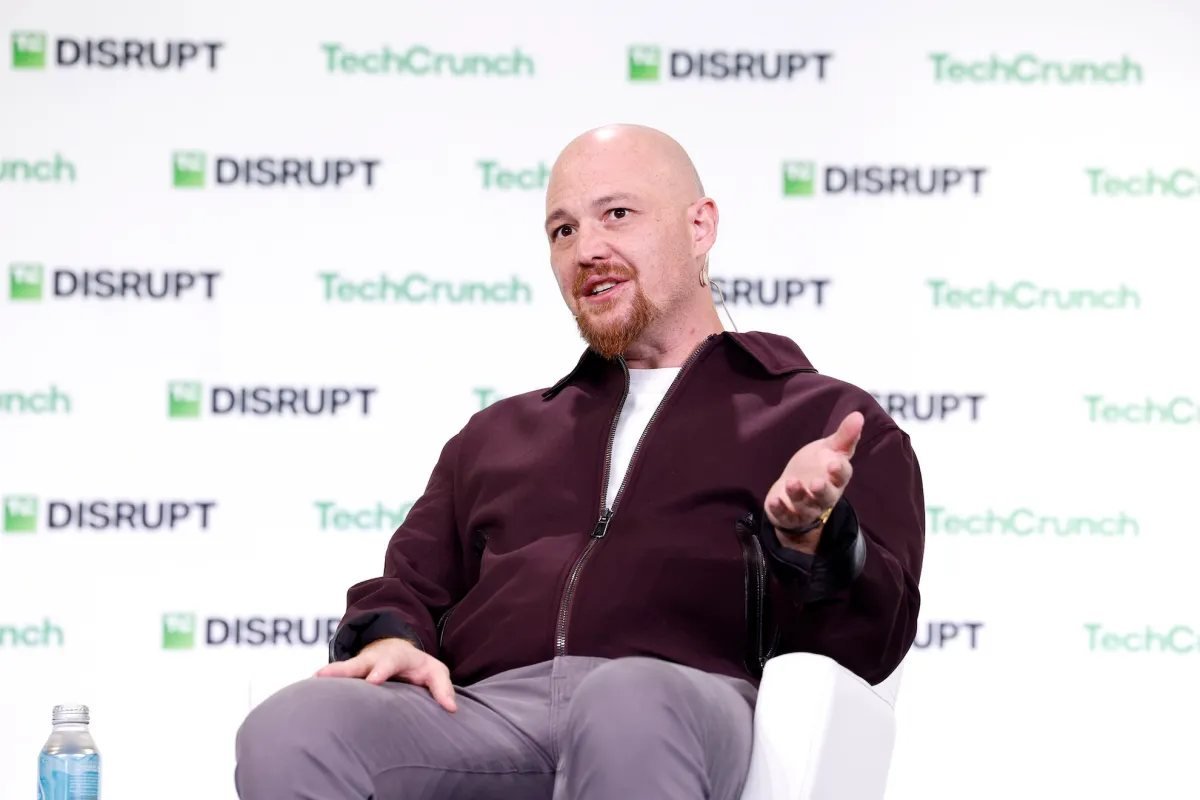
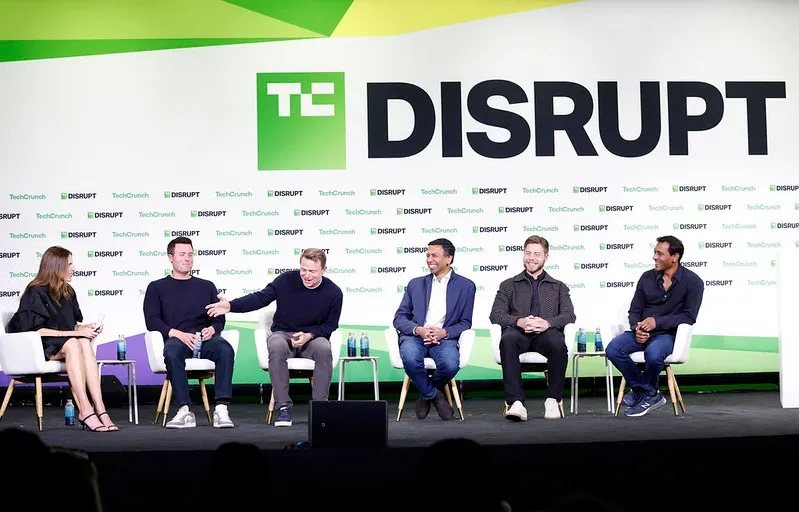
AI coding platform Replit is no longer working with Anthropic, according to statements made by the company's chief executive officer and co-founder, Amjad Masad, during an appearance at TechCrunch Disrupt on Thursday. Masad cited multiple factors for the shift, including cost considerations, partnership dynamics, and performance metrics.
Replit, which offers a cloud-based software development platform allowing users to build and deploy applications directly within a web browser, had previously utilized Anthropic's Claude artificial intelligence models to power its platform. The collaboration was noted for helping Replit grow its revenue significantly.
Performance Benchmarks and Disputed Claims
Addressing the decision, Masad explained that Replit evaluated performance using internal and public benchmarks before leaning toward OpenAI, with whom Replit announced a partnership in August.
"I think ChatGPT is better now," Masad said. "We publish a public benchmark as well, and consistently, Sol and Astra perform better on building vibe-coded applications from scratch. It was a decision based on both cost, partnership, and performance. And for all these reasons, we just felt like they were a better partner for now."
However, Masad's comments were disputed by sources familiar with the relationship between the two companies. One individual familiar with the matter, who spoke on the condition of anonymity, stated that the partnership between Anthropic and Replit remains in place.
Public materials also indicate recent activity involving Anthropic's models. Replit blog posts and social media activity from late September referenced Anthropic's Claude Fable 5 and Claude Fable 5.1 running in the Replit Agent production environment, alongside posts from product staff highlighting Anthropic's flagship model, Opus 5.5.
Enterprise Growth and AI Safety Infrastructure
In addition to discussing model partnerships, Masad shared updates regarding Replit's business trajectory and revenue sources. While he declined to share specific annual recurring revenue figures, he highlighted significant expansion in corporate adoption.
"We’re not sharing ARR numbers just yet, but in terms of growth, like, I would say, enterprise was like 2% of revenue last year," Masad said. "This year, I would say like 15% of our revenue is enterprise contracts, and more than 50% of our revenue is B2B."
Masad also addressed the infrastructure required to deploy artificial intelligence agents safely, drawing a comparison between human workplace requirements and digital environments for AI models.
"In the same way that us humans need a certain environment to work — you need a nice office, maybe nice good food in the office, air-conditioning, computer — agents need a habitat for them to exist and do good work," Masad stated. "So that habitat has good orchestration, good error recovery, good safety and security and sandboxing, good networking, good identity and authorization. And once you figure all of that out, then you can deploy AI safely."