Pennsylvania Dairy Farmer Permanently Protects 170-Acre Property From Development

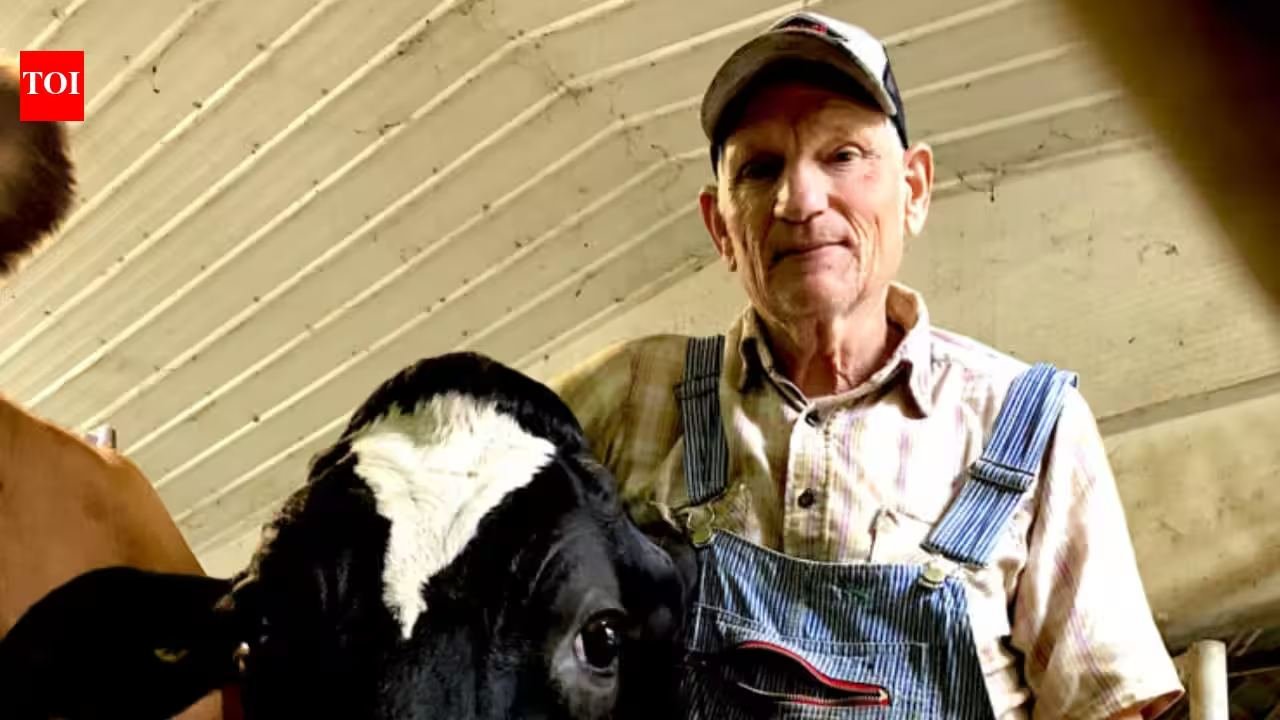
After spending most of his life on the same Pennsylvania property, dairy farmer Jeff Biddle has chosen to protect his land from development, turning down two lucrative offers from potential buyers in the process. The 170-acre Bear Meadows Farm, located near Tussey Mountain, was placed under a permanent conservation easement in July 2026, according to the Centre County Farmland Trust.
The conservation group WeConservePA also reported the preservation in August 2026. The decision ensures that the property can continue to be used for agricultural purposes, while its development rights are permanently restricted. Because the easement is attached directly to the property deed, the protection remains in force even if the ownership of the farm changes in the future.
A Family History on Bear Meadows Farm
Biddle’s connection to Bear Meadows Farm began during his childhood. His father, Harold Biddle, purchased the property in 1959 after initially acquiring woodland in the area for a hunting camp. Harold restored the farm’s buildings and established a beef operation on the land.
Although Jeff Biddle later left the property to work as a cabinet-maker and run his own woodworking business, farming remained a central interest. He and his wife, Claudia, took over the farm's operations in 2002. Biddle had wanted to run a dairy farm since his youth, and the family converted Bear Meadows into a grass-based dairy operation in 2005. The farm subsequently received permission to sell raw milk in Pennsylvania in 2009.
Today, the farm produces raw milk, eggs, and grass-fed beef, and has been selling raw milk directly to customers in the State College area since 2009. Milk from the farm's herd is also used by an off-site cheesemaker to produce a variety of cheeses. Biddle's demanding daily routine—which includes milking cows, caring for chickens, and serving visiting customers—was previously documented in features by Penn State Student Media.
Rejecting Development Pressures
Biddle had been considering conservation options for approximately three decades. During that time, he turned down two separate offers from buyers interested in purchasing the property. For Biddle, the decision was not based on the financial value of the land, but on preserving the fields, woods, and views that have defined his life on the farm.
The newly established conservation easement ensures that residential or commercial developments cannot replace the agricultural landscape. This protection is particularly significant because Bear Meadows Farm sits near the Centre Region’s growth boundary, an area where open land directly meets ongoing development pressures.
Ecological and Watershed Protections
The preservation of Bear Meadows Farm has environmental implications that extend beyond agriculture. According to the Centre County Farmland Trust, the 170-acre property contains a diverse mix of pasture, hay fields, cultivated cropland, grassland, and forest. The wooded areas consist of deciduous, evergreen, and mixed forests.
The property also features a historic spring house and several waterways that feed into the wider Spring Creek watershed. This water system connects to a larger watershed extending toward the Susquehanna River and ultimately the Chesapeake Bay. Protecting the land helps maintain the local groundwater and surface-water systems while preserving natural habitats for wildlife. Biddle has long observed bears, turkeys, deer, and waterfowl on the property, and the easement ensures these habitats remain intact.
Collaborative Conservation Efforts
The Centre County Farmland Trust partnered with the ClearWater Conservancy to complete the preservation project. ClearWater Conservancy assisted with mapping, fieldwork, and the technical and legal aspects of establishing the easement. Prior to finalizing the agreement, the farm had also spent time on Centre County’s waiting list for agricultural conservation through the Purchase of Agricultural Conservation Easement Program.
While the easement permanently restricts development, it does not halt farming operations. Biddle has acknowledged that finding the next generation of farmers is difficult, particularly due to the high capital required to start and operate a farm. However, regardless of who eventually works the fields, the easement secures the basic character of the 170-acre property, allowing its farmland, forests, wildlife, and water systems to coexist without the threat of development.