Nvidia's Open Weight Letter: A Call for AI Sovereignty

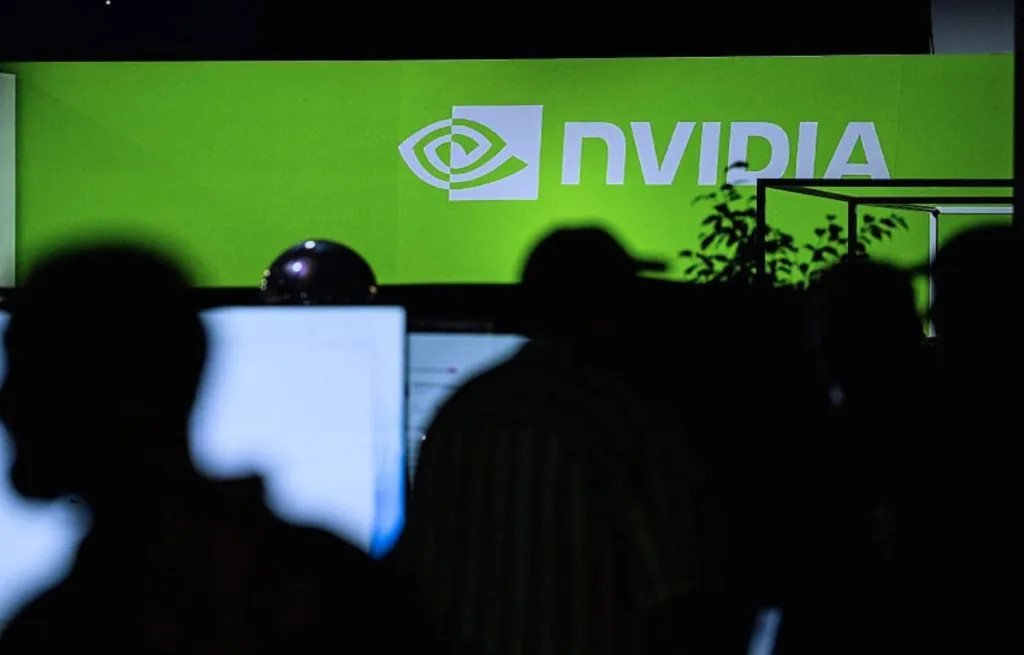
Nvidia has joined other technology organizations in signing the Open Weights and American AI Leadership letter, which argues that AI leadership will depend not only on developing powerful frontier models but also on creating an open ecosystem that distributes those capabilities throughout the economy.
The letter emphasizes the importance of sovereignty, particularly for businesses, which includes control of model behavior, company data, hosting infrastructure, costs, and the knowledge accumulated through years of work.
What Open Weight and Closed Weight Mean
According to NIST's definition of a model weight, a weight is a numerical parameter within an AI model that helps determine the model's outputs. In practical terms, weights contain much of what a model learned during training.
An open-weight model makes those parameters available for download, subject to its license. This allows an organization to run the model, evaluate it, adapt it, and deploy it on infrastructure of its choice. The license defines how published weights may be used, and businesses should still check each model's specific license before deployment.
Model Sovereignty and Stable Productivity
When a company deploys an open-weight checkpoint, the underlying weights remain fixed. This stability matters when AI becomes part of an operational workflow, as a model used to classify documents, extract information, or assist employees may have been tested against hundreds of internal cases.
A provider-controlled update can change its output structure, tone, or performance and force the business to repeat that evaluation. Open weights give the company control over that schedule, allowing the model to remain unchanged while engineers improve the prompts, retrieval layer, and application around it.
Infrastructure Sovereignty
Open weights also give organizations greater control over the infrastructure on which their AI operates. A business can deploy a model on its own servers or choose a cloud provider according to its requirements for geography, regulation, cost, and performance.
European companies, for example, can use providers such as Scaleway or OVHcloud to keep workloads on infrastructure located in France or elsewhere in Europe. This creates several deployment options, allowing the organization to choose both the intelligence it uses and the environment in which it runs.
Economic Sovereignty
Open-weight models allow organizations to decide how their models evolve, where their data travels, which infrastructure they use, and how their accumulated knowledge moves from one project to the next.
They do not guarantee security, but they enable independent evaluation and let businesses benefit from protections created by researchers and developers beyond the original provider.
That is what AI sovereignty looks like at the level of a business.