
Meta and OpenAI Bet on AI Hardware with Cutesy Software Agents

While AI has made significant inroads on people's phones and computers, it has largely failed in dedicated devices. However, two major AI companies, Meta and OpenAI, are attempting to change this trend over the next year. They are betting on a similar path: testing appetites for physical hardware with their cutesy software agents.
OpenAI is working with famed ex-Apple designer Jony Ive and plans to ship its hardware no earlier than February 2027, per a public filing. Meta aims to launch a pendant-like device sooner, before this year's holiday shopping season.
Soft-Launching AI Agents
Both OpenAI and Meta have likely learned from other companies' failed hardware rollouts, and their resulting strategy seems to be soft-launching AI agents before hard-launching the hardware. Their solution for hacking the hardware problem is to prime the market by getting people used to AI agents, hoping people will spread the word that 'yes, they really work now.'
OpenAI's head of core products, Thibault Sottiaux, said the company would be 'evolving ChatGPT in place to be this incredible personal assistant very soon.' He believes that as people are able to reach their AI agents via email, text, or phone call, the point of interaction is 'all going to blur at some point.'
Useful Everyday Tools
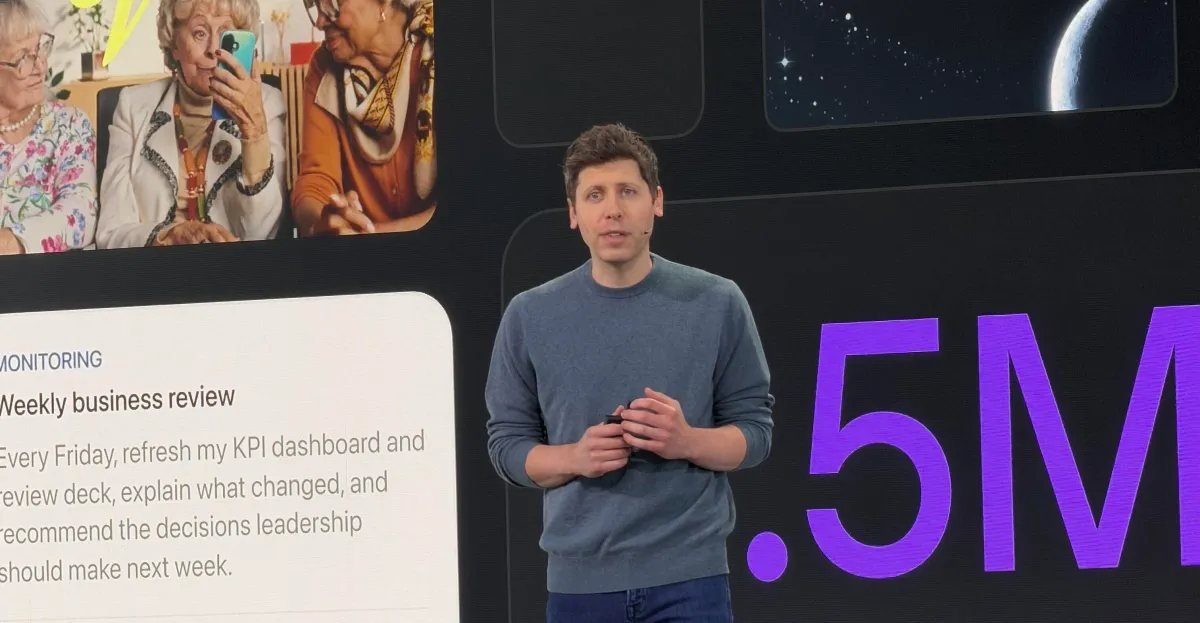
Both companies' main bet is that, after years of less-than-impressive AI agents, they can finally deliver a useful everyday tool that will break through to a broader public market. OpenAI's CEO, Sam Altman, said that Dots will be more useful for long-term tasks than previous iterations of agents on the market have been.
Altman described Dots as 'an always-on helper, collaborator … that you can give very large pieces of work to and it gets to know you and helps proactively over time.'
However, there's still some work to do, as seen in Muse's concerning exploits in Facebook Marketplace and a Dots voice demo that went awry at DevDay.
Meta and OpenAI are taking a risk by betting on AI hardware, but they are also betting on the usefulness and cuteness of their software agents to break through to a broader public market.